
Listeners:
Top listeners:
 play_arrow
 Cosoro Afrobeats UK's No.1 Afrobeats Radio Station
 play_arrow
 Cosoro Pidgin Na we bi di No.1 UK Pidgin Radio
 play_arrow
 Cosoro Evergreen UK's No.1 Radio for Timeless African Sounds


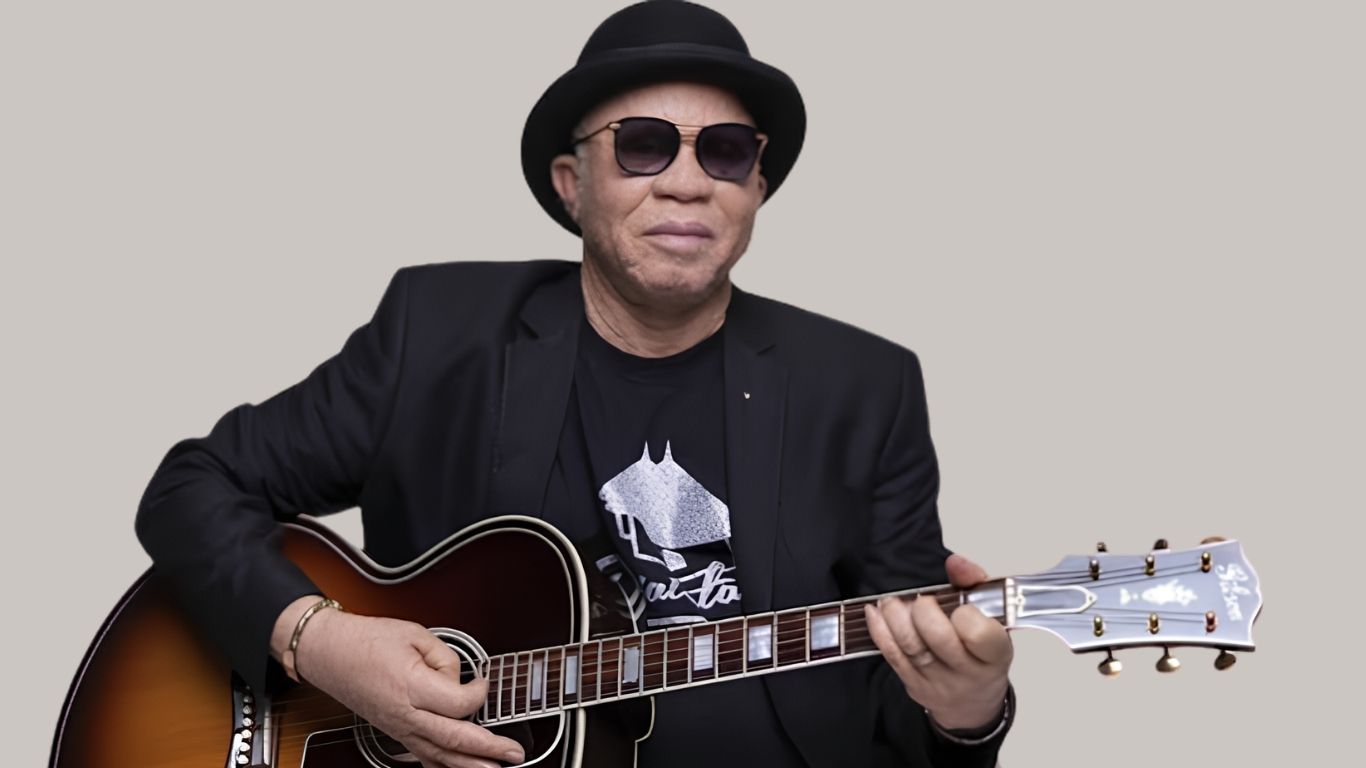
Malian music legend Salif Keïta has cancelled his upcoming commercial performances in South Africa, citing reports of xenophobic violence against African migrants. The 77 year old singer described the decision as painful, saying he could not ignore reports of migrants being attacked amid a series of anti immigration protests in the country. His manager, Carolina Vallejo of One World Records, confirmed the cancellations. Keïta was expected to perform at the Mangaung African Cultural Festival (Macufe) in the Free State in September. The festival promotes African music and culture, making his withdrawal particularly significant.
The veteran musician stressed that his decision was not a rejection of South Africa or its people, but a protest against violence towards migrants. He pointed to South Africa’s history of solidarity with other African nations and invoked the legacy of former president Nelson Mandela. Keïta has a long connection with the anti-apartheid struggle. In 1988, he performed at the Nelson Mandela 70th Birthday Tribute concert at Wembley Stadium in London, an event held in support of the campaign against apartheid. His decision comes as South Africa faces renewed concerns over hostility towards foreign nationals. Groups including Operation Dudula and March and March have organised protests demanding action against undocumented migrants, with tensions spilling into wider debates over jobs, crime and access to public services.
More than 160,000 people have reportedly left South Africa since late May through voluntary repatriation programmes organised by several African governments, including around 1,500 Nigerians. Keïta said he was not permanently closing the door on South Africa and suggested he could return when conditions improve. He also indicated that he would be willing to perform in communities where music could help encourage dialogue and healing. For a musician whose career has long crossed Africa’s borders, the cancellation carries a message beyond the loss of a concert. It highlights the growing concern that xenophobia and anti-migrant tensions are beginning to affect the continent’s cultural ties, even as artists and audiences continue to promote the idea of African unity.