
Listeners:
Top listeners:
 play_arrow
 Cosoro Afrobeats UK's #1 Afrobeats Radio Station
 play_arrow
 Cosoro Pidgin Na we bi di #1 UK Pidgin Radio
 play_arrow
 Cosoro Evergreen UK's #1 Radio for Timeless African Sounds


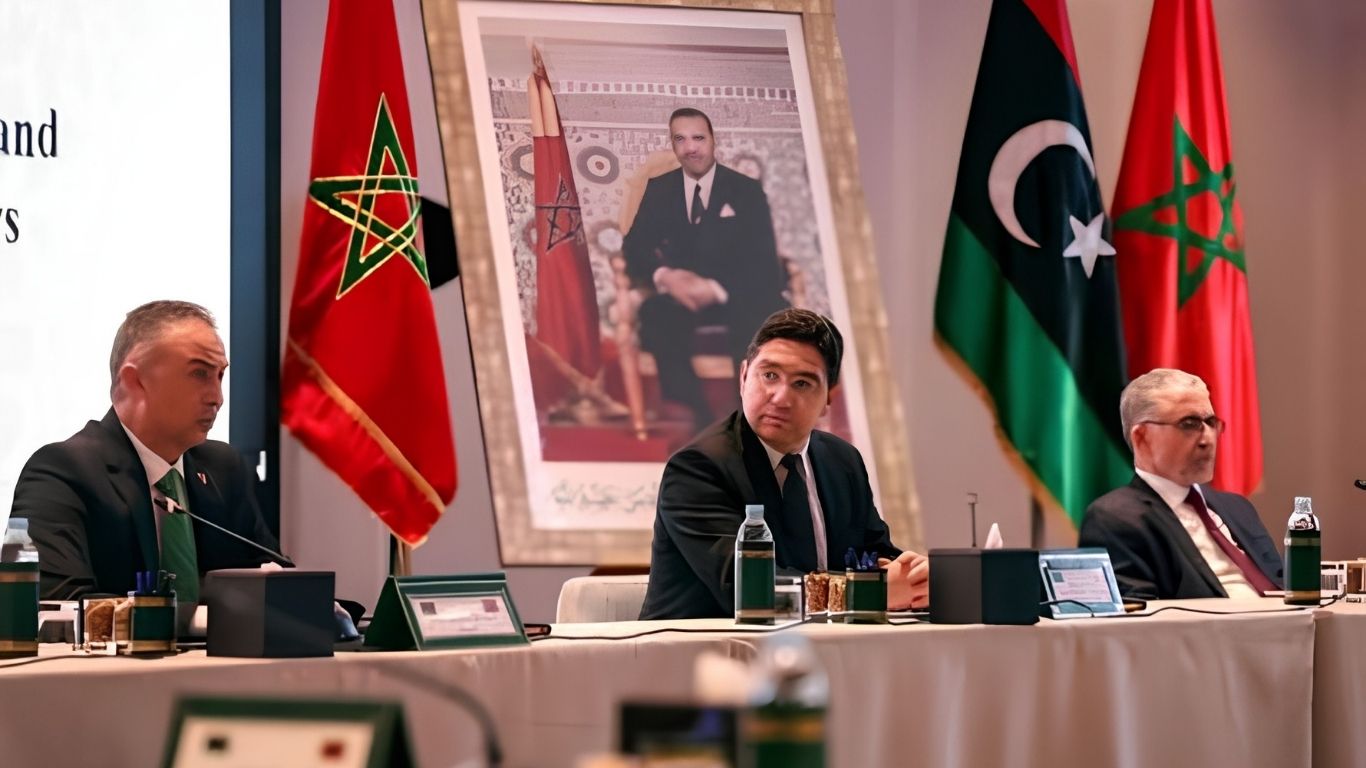
Libya’s rival political administrations have agreed to hold national elections within the next two years, raising fresh hopes that the country could finally move towards ending years of political division and reunifying its institutions. The agreement was reached on Sunday after months of United Nations backed negotiations between representatives of Libya’s eastern and western authorities. The two sides, working through the so called 4+4 Committee, signed an agreement aimed at addressing some of the major obstacles that have repeatedly prevented Libya from holding nationwide elections.
Under the deal, Libya’s electoral commission will be restructured and disagreements over the country’s electoral laws will be addressed. The proposed elections are expected to be organised by a unified electoral authority and conducted through what the agreement describes as “unique national sovereign institutions”. For ordinary Libyans, the announcement carries particular significance because the country has spent years trapped in a cycle of rival governments, competing institutions and political uncertainty. Elections have repeatedly been presented as the route out of the crisis, only for disagreements over electoral rules, candidates and constitutional arrangements to derail the process. Libya has remained politically divided since the 2011 uprising that toppled and killed longtime ruler Muammar Gaddafi. The country later descended into armed conflict and competing centres of power emerged, with rival authorities establishing control over different parts of the country.
A previous attempt to hold presidential and parliamentary elections in December 2021 collapsed after political factions failed to agree on key rules and the eligibility of candidates. The vote was postponed indefinitely, leaving Libya without a clear timetable for a nationwide democratic transition. The latest agreement therefore represents an important political step, but it does not automatically guarantee that elections will take place. The most difficult questions are likely to come during the implementation stage. Libya’s rival factions have previously reached political agreements only for disagreements over who controls state institutions, how elections should be conducted and which candidates should be allowed to stand to reopen old divisions.
The UN has played a central role in trying to bring Libya’s competing political camps together. The latest agreement reflects months of efforts to persuade the rival administrations to address the institutional and legal problems that have kept the country from reaching a lasting political settlement. The agreement also comes after Libya’s main political institutions had already announced a separate roadmap in June for presidential and parliamentary elections, demonstrating that there has been growing pressure for a political solution. That earlier plan had targeted elections within eight months, but disagreements and the country’s fragmented political structure have continued to complicate the process.
The two year timeline announced this week is therefore being viewed with cautious optimism. The real test will be whether the rival administrations can turn their latest commitment into concrete action including reforming the electoral commission, resolving disputes over election laws and creating enough political and security stability for voters to participate safely. For Libya, the stakes are high. A credible national election could provide the country with a legitimate government capable of bringing competing institutions under one authority, while failure could deepen public frustration and prolong the political stalemate. After more than a decade of instability, the latest agreement offers Libyans another possible route towards political reunification. But this time, the credibility of the process will depend not on the promise of elections, but on whether the country’s rival leaders actually allow them to happen.