

Listeners:
Top listeners:
 play_arrow
 Cosoro Afrobeats UK's No.1 Afrobeats Radio Station
 play_arrow
 Cosoro Pidgin Na we bi di No.1 UK Pidgin Radio
 play_arrow
 Cosoro Evergreen UK's No.1 Radio for Timeless African Sounds


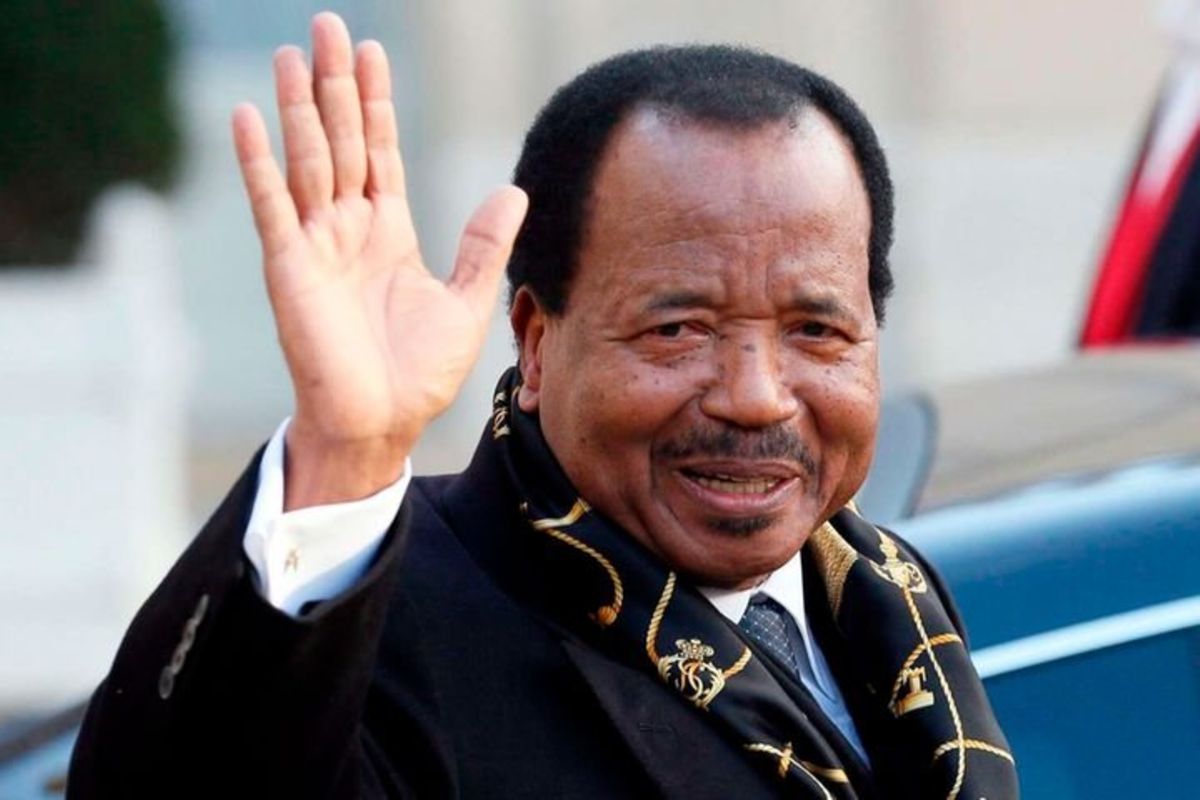
Cameroonian President Paul Biya has signed a decree reinstating the position of vice president, marking a significant constitutional shift aimed at addressing long-standing concerns over leadership succession in the Central African nation.
The law, signed on Tuesday, follows a parliamentary vote earlier in April approving the return of the role, which had been abolished in 1984 during a constitutional overhaul that replaced it with the office of prime minister.
Under the new legislation, the vice president will be appointed directly by the president and will assume the role of head of state in the event of death, resignation, or incapacity. The move effectively establishes a clear line of succession, something analysts say has been lacking in Cameroon’s political system for decades.
The reinstatement comes at a critical time for the country, where concerns about continuity in leadership have intensified. At 93, Biya is the world’s oldest serving head of state and has been in power since 1982, making questions about succession increasingly prominent in national and international discussions.
Government officials and lawmakers have defended the reform as a necessary step to ensure institutional stability. By restoring the vice presidency, authorities say the country is returning to a dual-executive structure designed to prevent power vacuums and maintain governance in times of crisis.
However, the decision has not been without controversy. Critics, including opposition figures, argue that the new arrangement consolidates power in the presidency, as the vice president will be appointed—not elected—and can be dismissed at will. Some analysts warn that this could weaken democratic accountability while strengthening executive control.
The role itself has historical significance. Cameroon last had a vice president more than four decades ago, before constitutional reforms eliminated the position. Its reintroduction signals a major institutional change and could reshape the country’s political landscape ahead of future elections.
Attention is now focused on Biya’s next move, appointing the country’s first vice president in over 40 years. The choice is expected to carry significant political weight, potentially indicating the direction of Cameroon’s leadership in the years to come.
As the country awaits that decision, the reinstatement of the vice presidency underscores a broader debate about governance, stability, and the future of political transition in one of Africa’s longest-standing administrations.