
Listeners:
Top listeners:
 play_arrow
 Cosoro Afrobeats UK's No.1 Afrobeats Radio Station
 play_arrow
 Cosoro Pidgin Na we bi di No.1 UK Pidgin Radio
 play_arrow
 Cosoro Evergreen UK's No.1 Radio for Timeless African Sounds


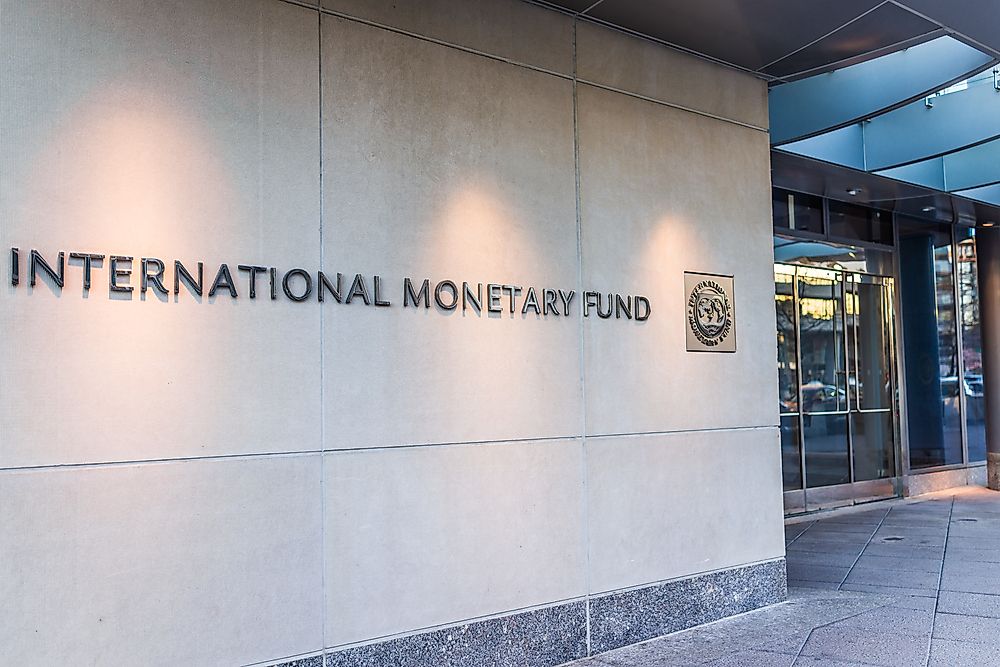
Pic: Pinterest
The International Monetary Fund (IMF) has warned that Sub-Saharan Africa is facing mounting economic pressures as global instability threatens to derail growth across the region. The latest assessment, presented during the IMF’s World Economic Outlook, paints a sobering picture of an already fragile economic landscape now being tested by rising global uncertainty and external shocks.
At the center of the concern is the ripple effect of ongoing geopolitical tensions, particularly conflict in the Middle East, which has disrupted global economic momentum. According to the IMF, what was once a relatively stable growth trajectory has now slowed, with global growth projections revised downward to about 3.1%. Inflation is also expected to rise, creating a challenging environment for developing regions that are highly vulnerable to external shocks.
For Sub-Saharan Africa, these global developments pose a unique threat. Many economies in the region rely heavily on imports, especially fuel and food making them particularly sensitive to rising global prices. As energy markets become more volatile and supply chains remain under pressure, countries across the region are likely to face increased costs of living, widening trade deficits, and strained public finances.
The IMF also highlights deeper structural vulnerabilities that amplify these risks. Over the years, many Sub-Saharan African countries have accumulated significant debt, limiting their ability to respond effectively to economic shocks. Government revenues have declined in recent years, while borrowing costs have increased, leaving policymakers with little room to maneuver. These constraints make it harder for governments to invest in critical sectors such as infrastructure, healthcare, and education, areas essential for long-term growth and stability.
In addition, the region continues to grapple with persistent challenges such as poverty, climate vulnerability, and limited industrialization. A large portion of the population depends on agriculture, which is highly sensitive to climate change and fluctuating weather patterns. This further complicates economic recovery efforts, as shocks in one sector can quickly ripple across entire economies.
Despite these challenges, the IMF emphasizes that the outcome is not predetermined. The institution is urging governments across Sub-Saharan Africa to pursue structural reforms aimed at strengthening economic resilience. These include improving fiscal discipline, enhancing domestic revenue generation, and investing in sectors that can drive sustainable growth. At the same time, global cooperation and stability remain critical, as prolonged geopolitical tensions could worsen the outlook significantly.
Ultimately, the IMF’s warning underscores a broader reality: Sub-Saharan Africa’s economic future is increasingly tied to global developments. While the region has shown resilience in the past, the current convergence of global risks—from conflict-driven inflation to financial instability, poses a serious test. How governments respond in the coming months may determine whether the region can weather the storm or face deeper economic setbacks.