

Listeners:
Top listeners:
 play_arrow
 Cosoro Afrobeats UK's #1 Afrobeats Radio Station
 play_arrow
 Cosoro Pidgin Na we bi di #1 UK Pidgin Radio
 play_arrow
 Cosoro Evergreen UK's #1 Radio for Timeless African Sounds


(Photo by Christopher Furlong/Getty Images)
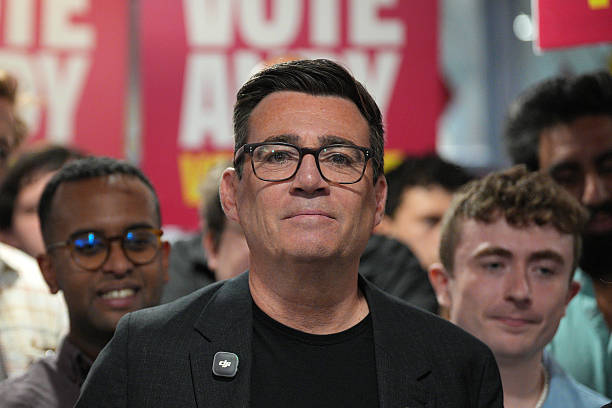
As the race to lead the Labour Party enters a decisive stage, Andy Burnham is making it clear that he wants to do more than replace Keir Starmer he wants to redefine how Britain is governed.
The Greater Manchester mayor has unveiled plans for a “No 10 North” in Manchester, a proposal that goes beyond relocating government offices. It reflects a broader ambition to shift political and economic power away from London, a long standing criticism of Britain’s highly centralised system.
Burnham argues that many communities outside the capital have spent decades feeling overlooked despite repeated promises of “levelling up.” His proposal is built on the belief that local leaders are often better placed than Whitehall to understand the needs of their regions, whether that means improving transport, creating jobs, building affordable homes or investing in education.
Alongside the symbolic Manchester headquarters, Burnham has outlined a 10 year strategy focused on housing, infrastructure, skills development, manufacturing and regional investment. He says the reforms would represent one of the biggest transfers of power from central government to local authorities in modern British history.
The timing of the announcement is significant. Britain continues to face sluggish economic growth, pressure on public services and widening regional inequality. For many voters, the debate is no longer just about who leads the country, but whether the current model of governance is still working.
Not everyone is convinced. Conservative leader Kemi Badenoch has criticised Burnham’s proposals, arguing that voters are more concerned about immediate challenges such as the cost of living than constitutional reforms. Supporters, however, insist the two issues are closely connected, saying stronger local decision making could help deliver better economic outcomes over time.
With Burnham widely expected to succeed Starmer, his vision offers an early glimpse into what a future Labour government could prioritise. Whether the ambitious plans become reality remains uncertain, but they have already shifted the conversation from simply changing political leadership to rethinking where power in Britain should truly reside.