
Listeners:
Top listeners:
 play_arrow
 Cosoro Afrobeats UK's No.1 Afrobeats Radio Station
 play_arrow
 Cosoro Pidgin Na we bi di No.1 UK Pidgin Radio
 play_arrow
 Cosoro Evergreen UK's No.1 Radio for Timeless African Sounds


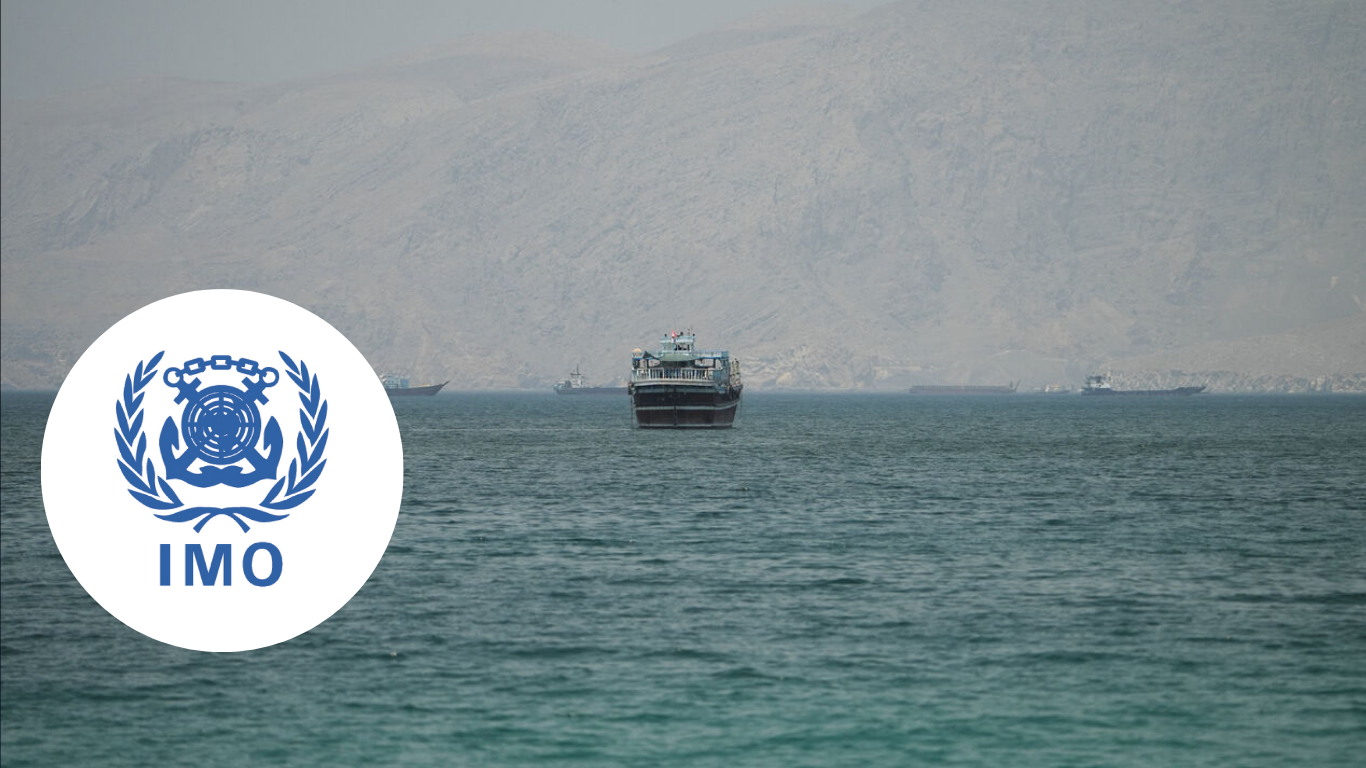
The United Nations’ International Maritime Organization (IMO) has temporarily suspended its evacuation operation for thousands of stranded sailors in the Strait of Hormuz after a cargo vessel was struck while transiting one of the world’s busiest and most strategically important shipping lanes.
IMO Secretary-General Arsenio Dominguez announced the pause, saying the organisation wanted to ensure that “necessary safety guarantees” remained in place before continuing the evacuation. The operation had been launched only days earlier to help more than 11,000 seafarers stranded aboard hundreds of commercial vessels following months of heightened tensions in the Gulf.
The decision came after the Singapore-flagged cargo ship Ever Lovely was struck by what the UK Maritime Trade Operations (UKMTO) described as an “unknown projectile” approximately 7.5 nautical miles southeast of Oman’s Port of Dahit. No injuries were reported, and the vessel was able to continue its voyage through the strait.
According to US officials cited by several international media outlets, Iran was responsible for the attack. Tehran has not officially confirmed the allegation. The incident followed warnings from Iran’s Islamic Revolutionary Guard Corps (IRGC) that ships using routes outside those authorised by Iranian authorities would not be guaranteed safe passage.
The evacuation programme had been announced after the partial reopening of the Strait of Hormuz following the recent ceasefire agreement between the United States and Iran. The IMO said the humanitarian operation was being coordinated with Iran, Oman, the United States and other regional partners to safely move exhausted crews who had remained at sea for months because of the conflict.
The Strait of Hormuz has long been one of the world’s most strategically significant waterways. Located between Iran and Oman, it serves as the only sea passage from the Persian Gulf to the open ocean. According to the US Energy Information Administration, roughly 20% of global oil consumption passes through the strait each day, along with significant volumes of liquefied natural gas. Any disruption to shipping through the corridor can quickly affect global energy prices and international trade.
Shipping through the waterway was severely disrupted after fighting between Iran, Israel and the United States intensified earlier this year. Although diplomatic negotiations later produced a temporary ceasefire and a 60-day framework for further talks on Iran’s nuclear programme and regional security, tensions remain high. Iran has continued to insist that vessels comply with its maritime regulations, while the United States maintains that the Strait of Hormuz is an international waterway where freedom of navigation must be protected.
The latest attack has renewed concerns among shipping companies and insurers, many of whom have already faced sharply rising security costs since the conflict began. Maritime analysts warn that continued uncertainty could discourage commercial traffic and place additional pressure on global supply chains.
Oil markets reacted cautiously to the latest developments. Crude prices initially fell as hopes for regional stability improved after the ceasefire agreement, but the attack on the Ever Lovely highlighted how fragile the security situation remains.