

Listeners:
Top listeners:
 play_arrow
 Cosoro Afrobeats UK's No.1 Afrobeats Radio Station
 play_arrow
 Cosoro Pidgin Na we bi di No.1 UK Pidgin Radio
 play_arrow
 Cosoro Evergreen UK's No.1 Radio for Timeless African Sounds


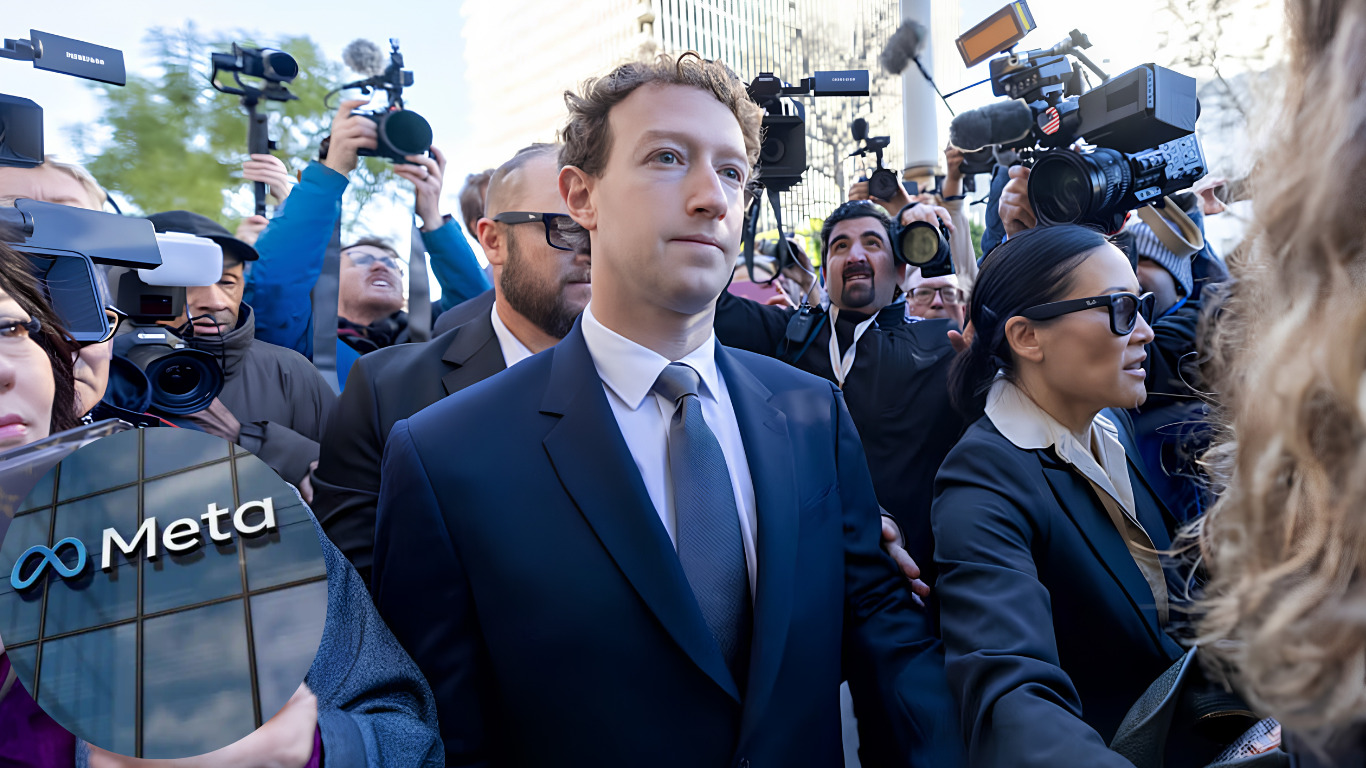
Meta has been ordered to pay almost $1 billion after a U.S. court ruled that the company failed to adequately protect children on its social media platforms, marking one of the most significant legal defeats ever faced by the tech giant over online child safety.
A judge in New Mexico ordered Meta to pay an additional $567 million, bringing the company’s total penalty in the case to $942 million after an earlier $375 million judgment. The ruling is the largest financial penalty imposed on Meta over child safety concerns and could influence similar lawsuits against major technology companies around the world.
Judge Bryan Biedscheid described Meta’s platforms as a “public nuisance,” comparing the company to a factory that produces pollution. In his ruling, he argued that while Meta profits from advertising and user engagement, the psychological harm, exploitation, and risks faced by children online represent a societal cost that extends far beyond its platforms.
The lawsuit was originally filed by the State of New Mexico in 2023, accusing Meta of exposing children to harmful content, sexual exploitation, and contact with online predators. During the first phase of the case, the court found that Meta’s recommendation algorithms repeatedly directed young users toward inappropriate and dangerous material, violating the state’s consumer protection laws.
The latest ruling focuses on the wider impact of those alleged harms. Judge Biedscheid concluded that the effects of Meta’s platforms reach schools, families, healthcare systems, and law enforcement agencies, making the issue one of public safety rather than simply a dispute between users and a technology company.
As part of the judgment, Meta has been ordered to establish a fund dedicated to reducing the harm caused to young users. Most of the money will be used to support mental health treatment and behavioural health services for affected children, while additional funding will go toward educational programmes, teacher training, and public awareness initiatives focused on online safety.
The court also directed Meta to introduce stricter protections for users under the age of 18. These include preventing adults from sending direct messages to minors they do not know, stopping the recommendation of underage accounts to adults, blocking the sharing of explicit images involving minors, and adopting tougher enforcement against accounts involved in child exploitation.
Other measures ordered by the court include removing visible “like” counts for users under 18, restricting overnight push notifications, limiting notifications during school hours, and introducing a monthly usage cap of 90 hours across Facebook and Instagram for young users.
Meta has rejected the ruling and confirmed it will appeal. The company maintains that it has invested heavily in child safety tools and content moderation, arguing that it continues to strengthen protections for teenagers across its platforms. A spokesperson said the judgment misrepresents the company’s efforts and ignores the extensive safety features already available to families.
The ruling comes as Meta faces thousands of similar lawsuits across the United States. The company has also suffered other legal setbacks, including a landmark California case that found it could be held legally responsible for designing platforms that encourage addictive behaviour among young users.
Despite the size of the penalty, analysts note that the financial impact on Meta may be limited given the company’s enormous revenues. However, legal experts believe the significance of the ruling lies less in the amount of money involved and more in the precedent it establishes. By declaring a social media platform a “public nuisance,” the court has opened a potential new legal pathway for governments seeking greater accountability from technology companies.
The pressure on Meta is unlikely to ease anytime soon. Another major child privacy trial involving the company is set to begin in California, where dozens of U.S. states are pursuing claims that Meta violated children’s privacy laws. Together, the cases signal growing global momentum toward tighter regulation of social media platforms and stronger protections for young users.