
Listeners:
Top listeners:
 play_arrow
 Cosoro Afrobeats UK's No.1 Afrobeats Radio Station
 play_arrow
 Cosoro Pidgin Na we bi di No.1 UK Pidgin Radio
 play_arrow
 Cosoro Evergreen UK's No.1 Radio for Timeless African Sounds


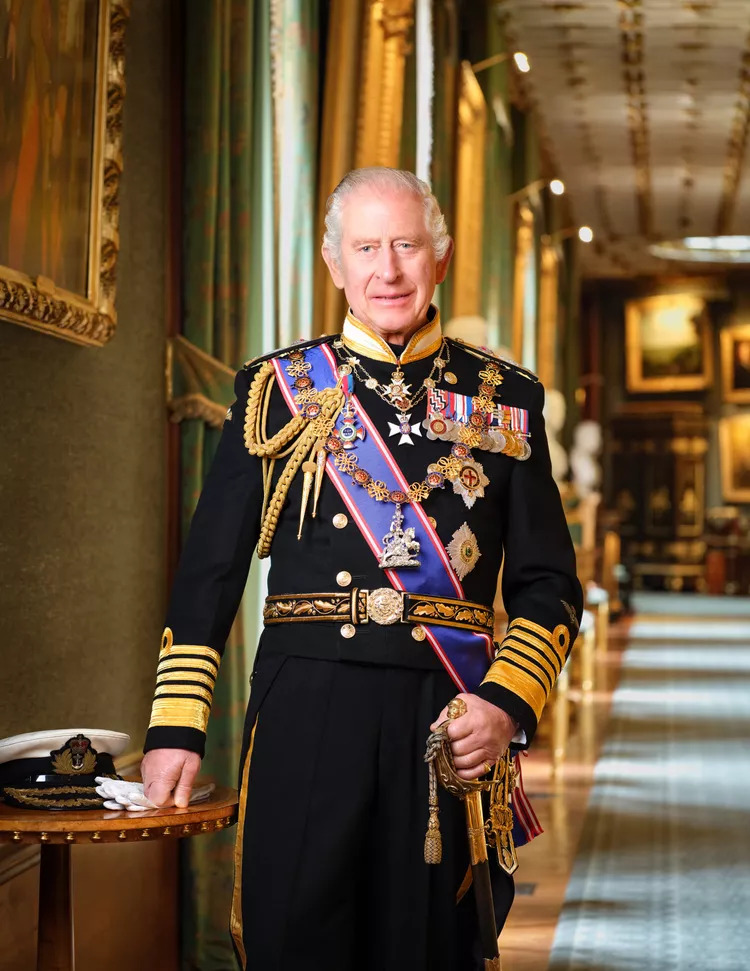
Image Credit: Hugo Burnand/Royal Household 2024/Cabinet Office/PA Wire
King Charles III has become the first British monarch to publicly disclose how much tax he pays, revealing that he paid £12.9 million in income and capital gains tax during the 2024–25 financial year. The unprecedented disclosure marks a significant shift toward greater financial transparency within the Royal Family, following growing calls for increased public accountability.
The figures, published in the Royal Household’s annual financial report, also show that Prince William paid £7.76 million in tax over the same period. Since Charles became King in 2022 and William inherited the Duchy of Cornwall, father and son have voluntarily paid more than £50 million in tax combined, despite the monarch not being legally required to do so.
Buckingham Palace said the decision to publish the figures was made voluntarily by both the King and the Prince of Wales to promote greater openness about royal finances. The move follows heightened public scrutiny of the monarchy in recent years, particularly after controversies surrounding Prince Andrew and wider debates over how public money is used to support the Royal Family.
While the tax payments have now been made public, the Palace did not disclose how the figures were calculated or provide a detailed breakdown of taxable income. Tax experts have welcomed the greater transparency but noted that without further details, it remains difficult to fully assess the King’s tax arrangements.
The report also confirms that King Charles and Queen Camilla will continue living at Clarence House rather than moving into Buckingham Palace once its extensive refurbishment is completed. Palace officials said the decision will allow Buckingham Palace to welcome more visitors and generate additional income while preserving it as a working royal residence.
Another major development is the future of the Sovereign Grant, the annual funding provided by the UK Treasury to support the monarchy’s official duties. The grant covers staff salaries, official travel, state events, palace maintenance and other institutional expenses. It does not provide personal income to members of the Royal Family.
For the 2024–25 financial year, the Sovereign Grant remained at £86.3 million, including funding for the ongoing refurbishment of Buckingham Palace. However, under a funding formula approved by the Royal Trustees—which include Prime Minister Sir Keir Starmer and Chancellor Rachel Reeves—the grant’s core funding will rise to £99.9 million annually from 2027–28. According to Palace officials, the additional funding will support the maintenance of historic royal buildings, strengthen cybersecurity and improve energy efficiency, including replacing ageing heating systems at Windsor Castle.
The financial report also highlighted efforts to reduce costs. The Royal Train is expected to be retired by 2027, while Prince William has announced he will no longer personally receive the £1.5 million annual rental income from the now-closed Dartmoor Prison. Instead, the money will be directed towards supporting communities around Princetown in Devon.
The annual accounts also reveal the cost of several official royal engagements. Prince William’s three-day visit to Saudi Arabia was the most expensive overseas trip of the year at just over £130,000, narrowly exceeding the travel costs of the King and Queen’s state visit to Italy. The Royal Family also carried out 177 helicopter flights during the year, costing more than £733,000.
The publication of the King’s tax bill is widely viewed as one of the most significant transparency measures undertaken by the modern monarchy. As public expectations for openness continue to grow, the disclosure signals an effort by the Royal Household to strengthen trust while balancing centuries-old traditions with demands for greater accountability.