

Listeners:
Top listeners:
 play_arrow
Cosoro Afrobeats UK's #1 Afrobeats Radio Station
 play_arrow
Cosoro Pidgin Na we bi di #1 UK Pidgin Radio
 play_arrow
Cosoro Evergreen UK's #1 Radio for Timeless African Sounds


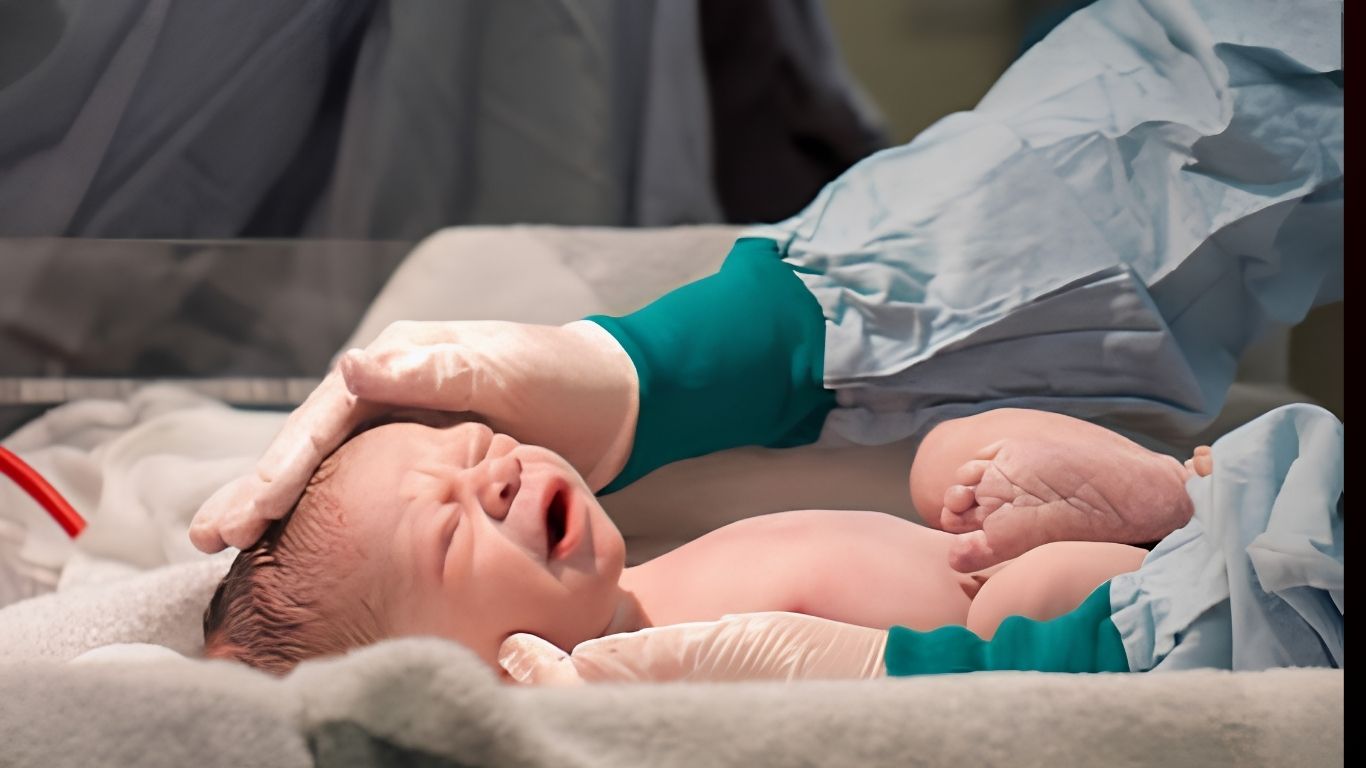
As many as 20 maternity units across England may have to close or change their services because of a shortage of specialist doctors and a growing demand for caesarean sections, an NHS leader has warned.
Matthew Hopkins, director of acute care at the NHS Alliance, said consolidating maternity services into fewer, better equipped hospitals could help improve safety for mothers and babies. However, he acknowledged that the proposals could trigger political opposition, particularly in communities that depend on smaller local hospitals.
Hopkins said some of England’s 155 consultant-led maternity units may no longer be sustainable, especially those delivering between 1,500 and 2,000 babies annually. Many of the units considered vulnerable are in rural and coastal areas, where hospitals face greater difficulties recruiting and retaining obstetricians.
One major concern is the growing number of women giving birth through caesarean sections, which require specialist surgeons, operating theatres and sufficient staff to respond to emergencies. The proportion of births in England delivered by caesarean section rose from 33% in 2020 to 45% in 2025.
Hopkins argued that maternity services must be reorganised to ensure hospitals can provide safe care around the clock. He warned that failing to address staffing shortages could leave medical teams struggling to respond when complications arise during childbirth. A recent report examining maternal deaths also identified cases in which caesarean sections were delayed because a surgeon or operating theatre was unavailable.
However, the proposal has drawn criticism from organisations representing midwives and obstetricians. Hannah Leonard, chief policy officer at the Royal College of Midwives, said women and families needed access to high quality maternity services close to home. Dr Alison Wright, president of the Royal College of Obstetricians and Gynaecologists, argued that other solutions to staffing shortages should be explored before hospitals consider closures.
The potential changes have raised particular concerns in rural communities, where closing a maternity unit could force pregnant women to travel considerable distances to give birth. North Devon District Hospital in Barnstaple has already experienced a temporary suspension of maternity services because of staff shortages, forcing some women to travel to Exeter. The maternity unit at Yeovil Hospital in Somerset also spent almost a year closed before reopening earlier in 2026.
The debate comes as the government prepares further reforms to maternity and neonatal care. A government backed taskforce is expected to publish recommendations before Christmas, with the aim of addressing safety concerns and improving services for mothers and newborn babies.
The Department of Health and Social Care said every woman deserved safe maternity care and that the government was committed to reforms that would meet the needs of families now and in the future. However, ministers have not directly confirmed whether they will support the proposed closures.
The challenge facing the NHS is how to balance patient safety with access to local services. While larger hospitals may have more specialists and operating facilities, longer journeys could create additional difficulties for women in labour, particularly those living in remote areas. The government’s forthcoming plans are expected to play a significant role in determining how maternity care will be organised across England.