

Listeners:
Top listeners:
 play_arrow
Cosoro Afrobeats UK's #1 Afrobeats Radio Station
 play_arrow
Cosoro Pidgin Na we bi di #1 UK Pidgin Radio
 play_arrow
Cosoro Evergreen UK's #1 Radio for Timeless African Sounds


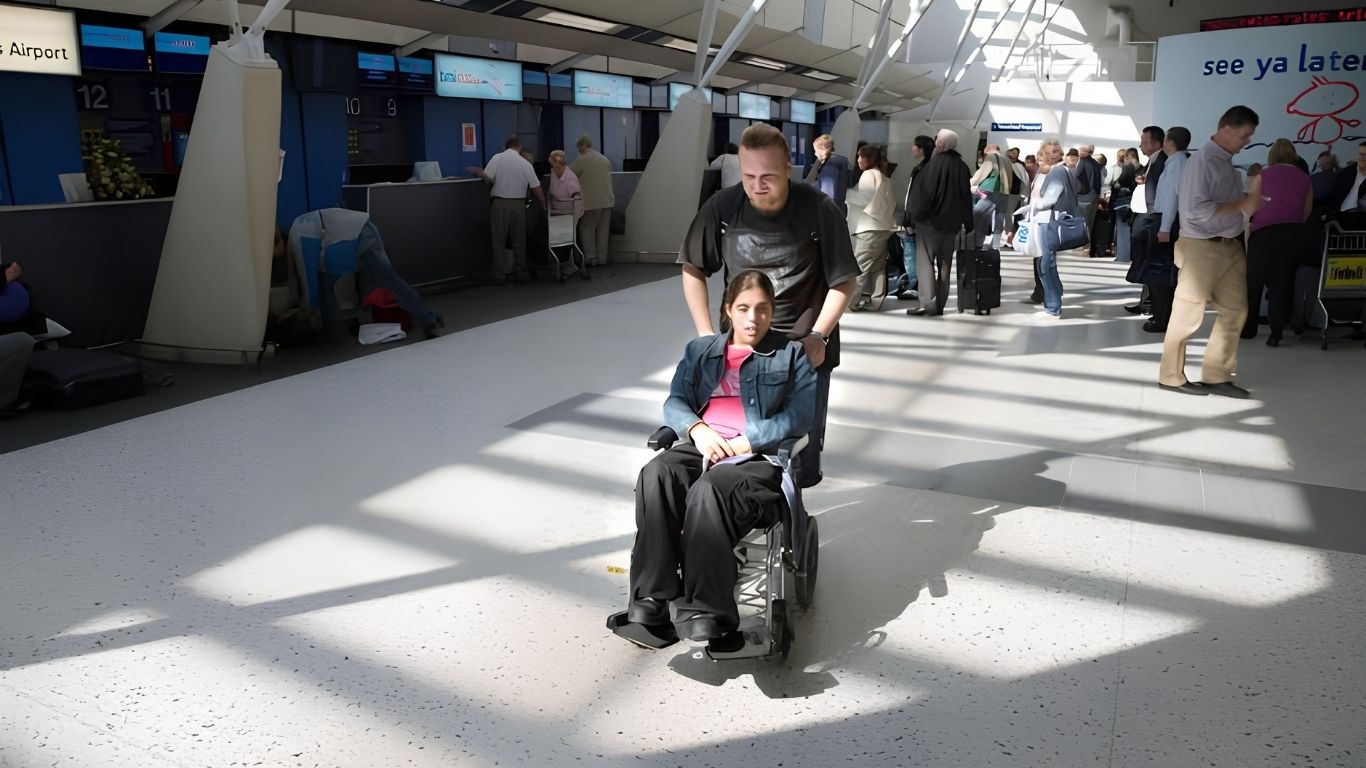
The UK government has promised stronger safeguards for disabled air passengers, including better protection for wheelchairs, improved staff training and tougher penalties for airlines and airports that fail to provide the assistance passengers need.
The announcement follows growing concerns about the treatment of disabled travellers, including cases where passengers were left without adequate assistance and mobility equipment was damaged during flights. A review led by Paralympian and disability campaigner Baroness Tanni Grey Thompson previously called for significant improvements to make air travel safer and more accessible.
Figures cited by the Department for Transport show that more than 1,000 wheelchairs were damaged while being transported in 2024, equivalent to more than 80 each month. Although airports have increased staff training and introduced a standardised system for handling mobility aids, an industry-led accessibility group says further improvements are still needed.
The government plans to remove the maximum compensation limit for lost or damaged wheelchairs, allowing affected passengers to seek compensation that better reflects the loss or damage they suffer. It also intends to give the Civil Aviation Authority greater powers to fine airlines and airports that fail to meet their responsibilities towards disabled passengers.
The proposed measures are expected to form part of the Civil Aviation Bill, which is progressing through Parliament. The legislation is intended to strengthen passenger rights and make it easier for regulators to act when airlines or airports fail to provide the required support.
Transport Secretary Heidi Alexander said disabled people should be able to fly with dignity and peace of mind, without worrying about whether their wheelchairs would be returned in good condition or whether trained staff would be available to assist them.
Despite reported improvements, dissatisfaction remains a concern. Almost one in five disabled passengers are still unhappy with their air travel experience, while demand for assistance continues to rise. Airlines UK chief executive Tim Alderslade said the number of passengers requiring assistance had increased by nearly 10% year on year. He added that 82% of passengers reported being satisfied with their experience, highlighting progress made by airlines while acknowledging the continuing need for support.
The accessibility group overseeing progress on Grey-Thompson’s 19 recommendations said more work was required to ensure disabled travellers could fly confidently and with dignity.
The proposed reforms could mark an important step towards improving accessible air travel in Britain. However, campaigners and passengers will be looking for the promised changes to translate into reliable assistance, better handling of mobility equipment and meaningful consequences when airlines and airports fall short.