
Listeners:
Top listeners:
 play_arrow
 Cosoro Afrobeats UK's #1 Afrobeats Radio Station
 play_arrow
 Cosoro Pidgin Na we bi di #1 UK Pidgin Radio
 play_arrow
 Cosoro Evergreen UK's #1 Radio for Timeless African Sounds


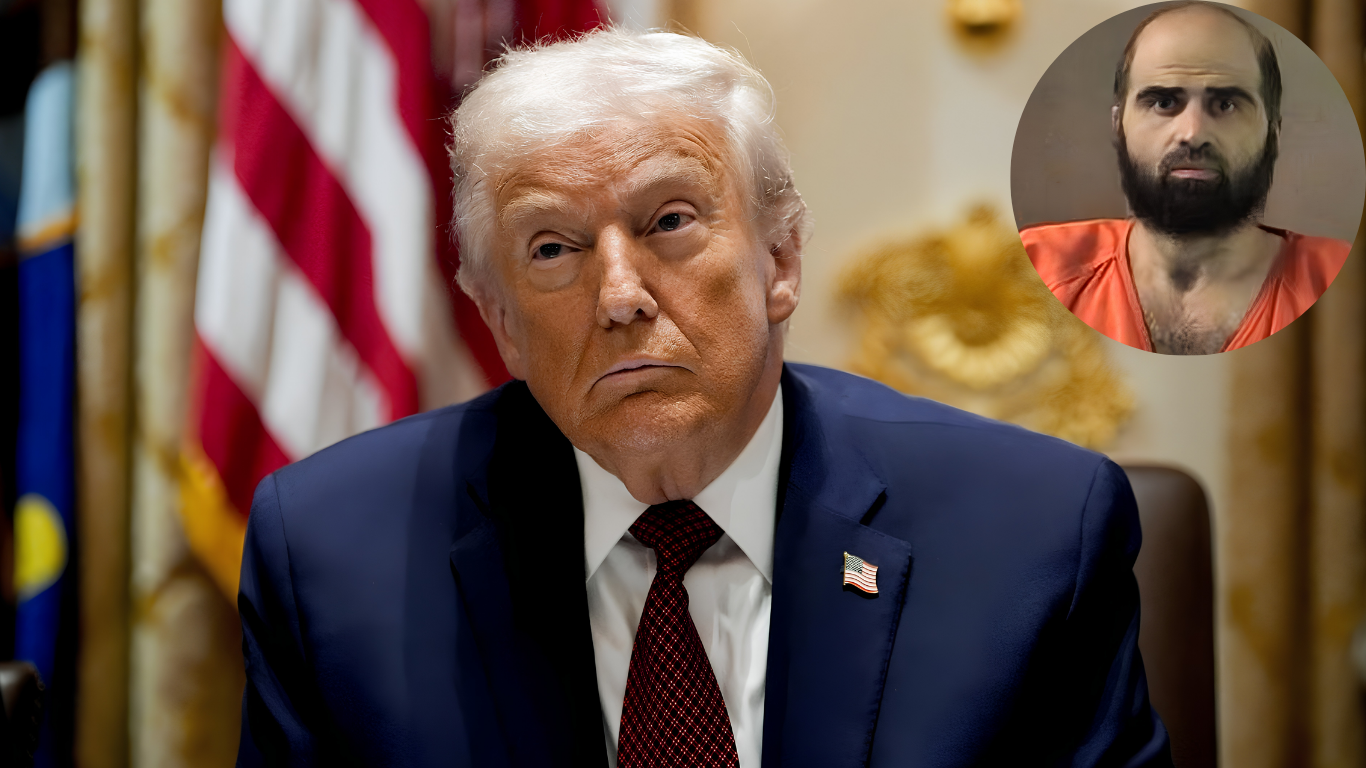
US President Donald Trump has cancelled a controversial Pentagon plan to livestream the execution of Nidal Malik Hasan, the former Army psychiatrist convicted of killing 13 people at Fort Hood in 2009. Although the proposed broadcast has been abandoned following public criticism, the execution by firing squad remains scheduled for December 3, 2026, subject to any legal challenges that could delay it.
The proposal was reportedly advanced by Defence Secretary Pete Hegseth, who argued that broadcasting the execution could deter terrorism by demonstrating the consequences of attacking American service members. However, the idea sparked widespread debate over whether a public broadcast would serve justice or turn an execution into a spectacle. On October 15, Trump announced that Hasan would still face execution as planned, but the event would not be livestreamed. He also said the victims’ immediate families could attend in person if they wished.
Hasan was convicted by a military jury in 2013 for the November 5, 2009, shooting at Fort Hood, Texas, in which 13 people were killed and 32 wounded. Hasan, then an Army major and psychiatrist, opened fire on fellow service members at the military installation before law enforcement officers shot him, leaving him paralysed from the waist down. His case has remained significant in debates about security within the US military and the government’s response to attacks carried out by individuals serving in its ranks. If carried out, his execution would be the first US military execution since 1961 and the first by firing squad since the Second World War.
The livestream proposal drew criticism from across the political and religious spectrum. Vice-President JD Vance reportedly expressed reservations, while religious leaders questioned the morality and dignity of broadcasting a state execution. The controversy also revived wider discussions about capital punishment in the United States, where the methods used to carry out death sentences have faced scrutiny following other troubled executions. An October poll cited by the Death Penalty Information Center found that 80 per cent of Americans opposed livestreaming Hasan’s execution, despite majority support for carrying out the sentence.
Trump’s decision marks a notable reversal on an initiative associated with Hegseth, a close ally in the administration. The Pentagon subsequently indicated that the defence secretary supported the president’s decision. Nevertheless, the episode has raised questions about the limits of using public punishment as a deterrent and the role of military institutions in communicating justice to the public.
For now, the cancellation affects the proposed broadcast, not the death sentence itself. Hasan’s execution remains scheduled for December 3, although further legal proceedings could affect the timetable. The case continues to highlight the difficult questions surrounding military justice, the death penalty and whether making an execution public would strengthen accountability or undermine the dignity of those involved.