

Listeners:
Top listeners:
 play_arrow
 Cosoro Afrobeats UK's No.1 Afrobeats Radio Station
 play_arrow
 Cosoro Pidgin Na we bi di No.1 UK Pidgin Radio
 play_arrow
 Cosoro Evergreen UK's No.1 Radio for Timeless African Sounds


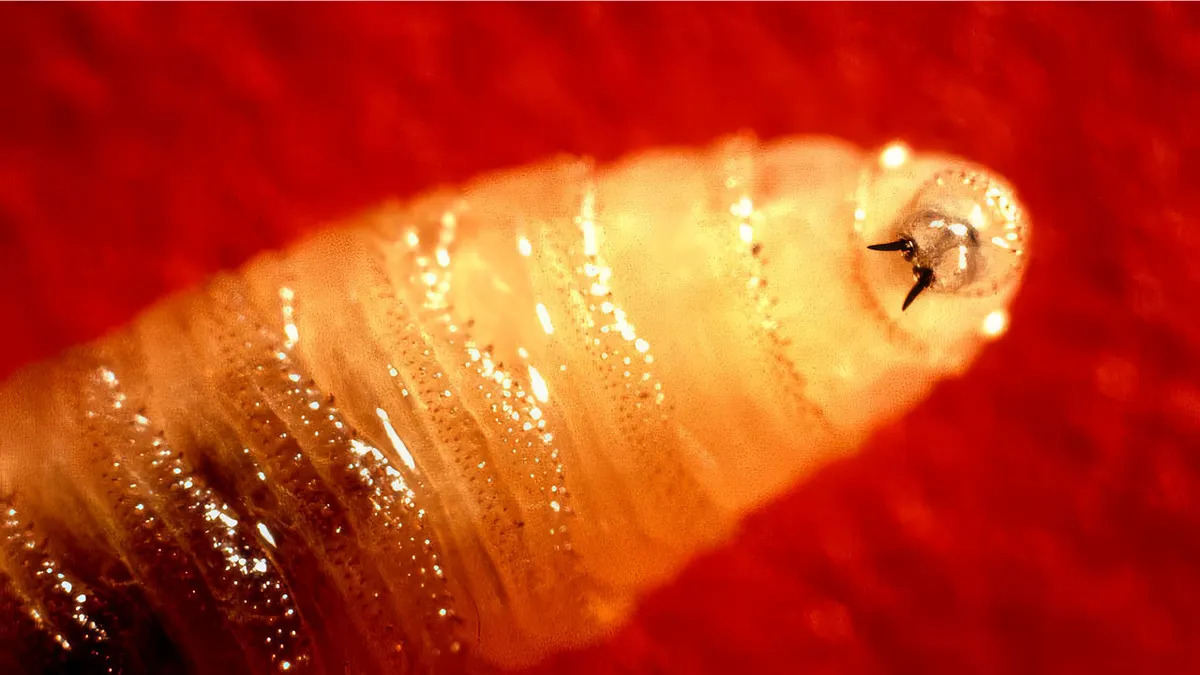
A parasite once thought to be largely under control is once again drawing international attention after new outbreaks of the New World screwworm were detected in parts of North America. Health officials, veterinarians and agricultural authorities are now working to contain the spread of the flesh-eating pest, which poses a serious threat to livestock, wildlife, pets and, in rare cases, humans.
The renewed concern follows confirmed cases in Texas, marking the first significant domestic outbreak in the United States in decades. The discovery has prompted aggressive containment measures, including surveillance programmes, animal movement restrictions and the release of millions of sterile flies designed to halt the parasite’s spread.
Despite its name, the screwworm is not actually a worm. It is the larval stage of the New World screwworm fly (Cochliomyia hominivorax). What makes the insect particularly dangerous is that its larvae feed on living flesh rather than dead tissue. Female flies lay eggs in open wounds, cuts, scratches or even small insect bites on warm-blooded animals. Once the eggs hatch, the larvae burrow into healthy tissue and begin feeding, creating painful wounds that can become life-threatening if left untreated.
The parasite was once among the most destructive livestock pests in the Americas. Before eradication campaigns began, screwworm infestations caused massive economic losses across the southern United States, killing large numbers of cattle and other animals. After years of intensive control efforts, including the use of sterile insect technology, the United States officially declared the pest eradicated in 1966.
Scientists believe the current outbreak is linked to the northward spread of cases that began in Central America in 2023. Since then, infections have been reported across multiple countries, eventually reaching Mexico and later crossing into the United States. According to the US Centers for Disease Control and Prevention (CDC), more than 171,000 animal cases and over 2,000 human cases have been recorded across Mexico and Central America since the outbreak began.
The United States Department of Agriculture recently confirmed additional cases in Texas, bringing the number of detected infections to at least 15. Experts warn that the true figure could be higher because outbreaks are often discovered only after animals begin showing visible symptoms.
Although human infections remain rare, health authorities are monitoring the situation closely. The CDC notes that people can become infected when flies lay eggs in untreated wounds or body openings. Symptoms can include painful sores, bleeding, foul-smelling wounds and the presence of visible larvae. Medical treatment usually requires the complete removal of the larvae and, in severe cases, surgical intervention.
To combat the outbreak, authorities are once again relying on a technique that successfully eliminated the pest decades ago. Millions of sterile male flies are being released into affected areas. Because female screwworm flies mate only once during their lifetime, mating with sterile males prevents reproduction and gradually reduces the population. International agencies, including the International Atomic Energy Agency (IAEA) and the Food and Agriculture Organization (FAO), have launched emergency programmes to expand sterile-fly production and strengthen containment efforts.
For livestock producers, the stakes are particularly high. Experts estimate that a widespread outbreak could cost the agricultural sector billions of dollars through animal losses, treatment expenses and trade disruptions. Ranchers in southern US states have already increased monitoring efforts, while authorities continue to enforce movement controls in affected regions.