

Listeners:
Top listeners:
 play_arrow
 Cosoro Afrobeats UK's No.1 Afrobeats Radio Station
 play_arrow
 Cosoro Pidgin Na we bi di No.1 UK Pidgin Radio
 play_arrow
 Cosoro Evergreen UK's No.1 Radio for Timeless African Sounds


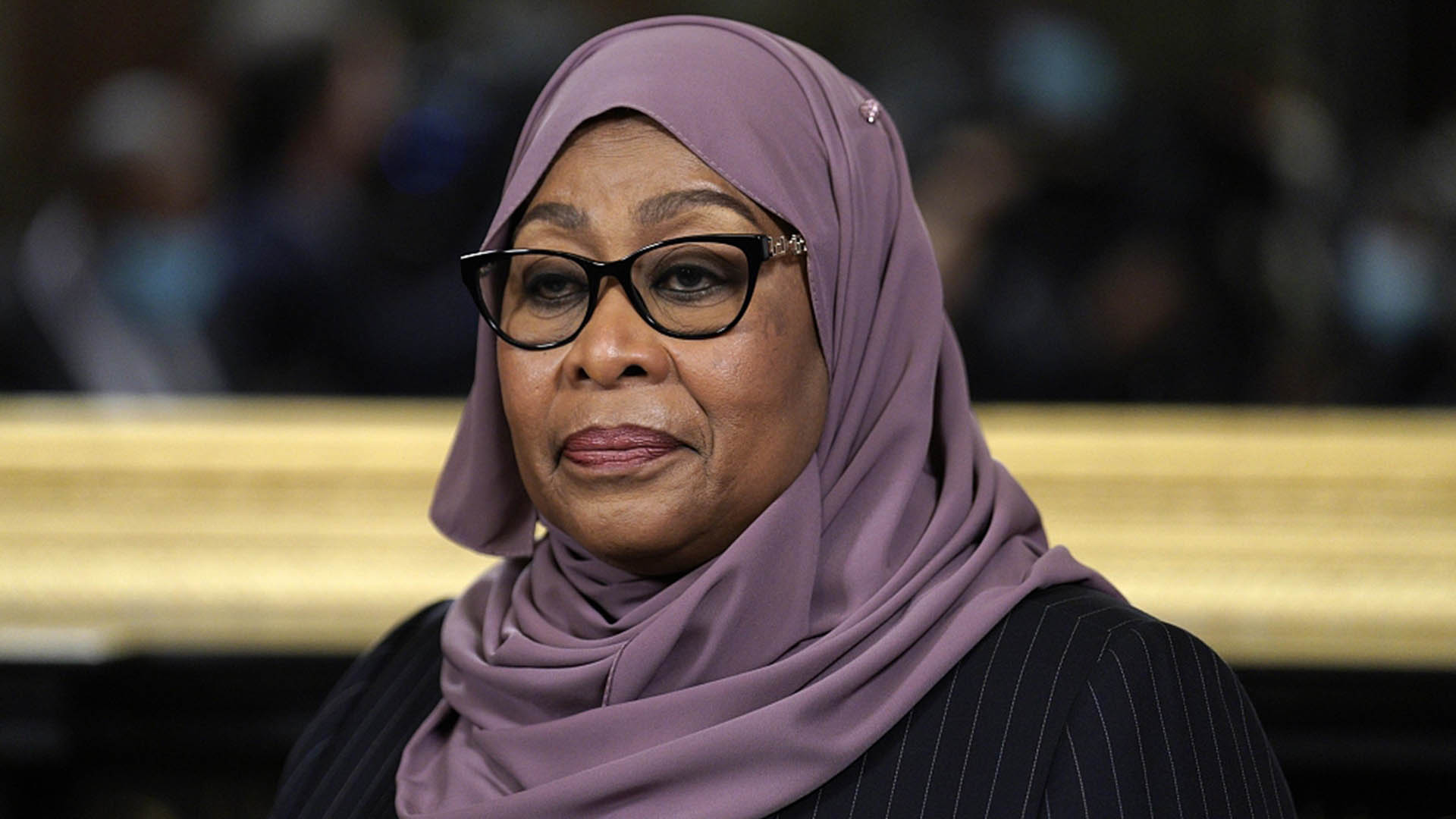
Photo: Elizabeth Frantz / Reuters
Tanzanian President Samia Suluhu Hassan has pledged major constitutional reforms following a government inquiry into deadly post-election violence that shook the nation in late 2025.
The announcement comes after a commission of inquiry revealed that at least 518 people were killed and more than 2,000 injured during unrest that erupted after the October elections. The findings mark the first official acknowledgment of the scale of the violence, which had previously been disputed by authorities.
Speaking after receiving the report, Hassan said the findings would guide constitutional amendments aimed at addressing the root causes of the crisis. She also announced plans to establish a national reconciliation commission and a separate criminal investigative body tasked with identifying those responsible for the violence, including individuals who may have financed or organized the unrest.
“What happened in October 2025 did not solve our problems,” Hassan said, noting that the violence had only deepened existing political tensions.
The unrest followed a highly contested election in which Hassan secured a second term with an overwhelming majority. However, the vote was marred by controversy, including the exclusion of key opposition figures and allegations of repression. Protests erupted across the country, particularly among young people who accused the government of silencing dissent.
The commission’s report has drawn sharp criticism from opposition groups, who argue that the official death toll is understated and accuse the government of attempting to “whitewash” its role in the violence. Some opposition leaders claim the actual number of casualties could be significantly higher.
In addition to the fatalities, more than 200 people remain unaccounted for, with families reporting disturbing incidents in which bodies were allegedly seen in morgues before later disappearing. These claims are expected to be part of the new investigative body’s mandate.
The crisis was further exacerbated by a temporary nationwide internet shutdown during the protests, a move that drew international criticism. Hassan has since apologized for the blackout and pledged it would not be repeated.
Analysts say the proposed constitutional reforms could mark a turning point for Tanzania, a country long viewed as relatively stable in the region. However, they caution that meaningful change will depend on how transparently the reforms are implemented and whether they address longstanding concerns about political freedoms and electoral fairness.
As Tanzania moves forward, the government faces mounting pressure from both domestic and international observers to ensure accountability and rebuild public trust in its democratic institutions.