
Listeners:
Top listeners:
 play_arrow
 Cosoro Afrobeats UK's #1 Afrobeats Radio Station
 play_arrow
 Cosoro Pidgin Na we bi di #1 UK Pidgin Radio
 play_arrow
 Cosoro Evergreen UK's #1 Radio for Timeless African Sounds


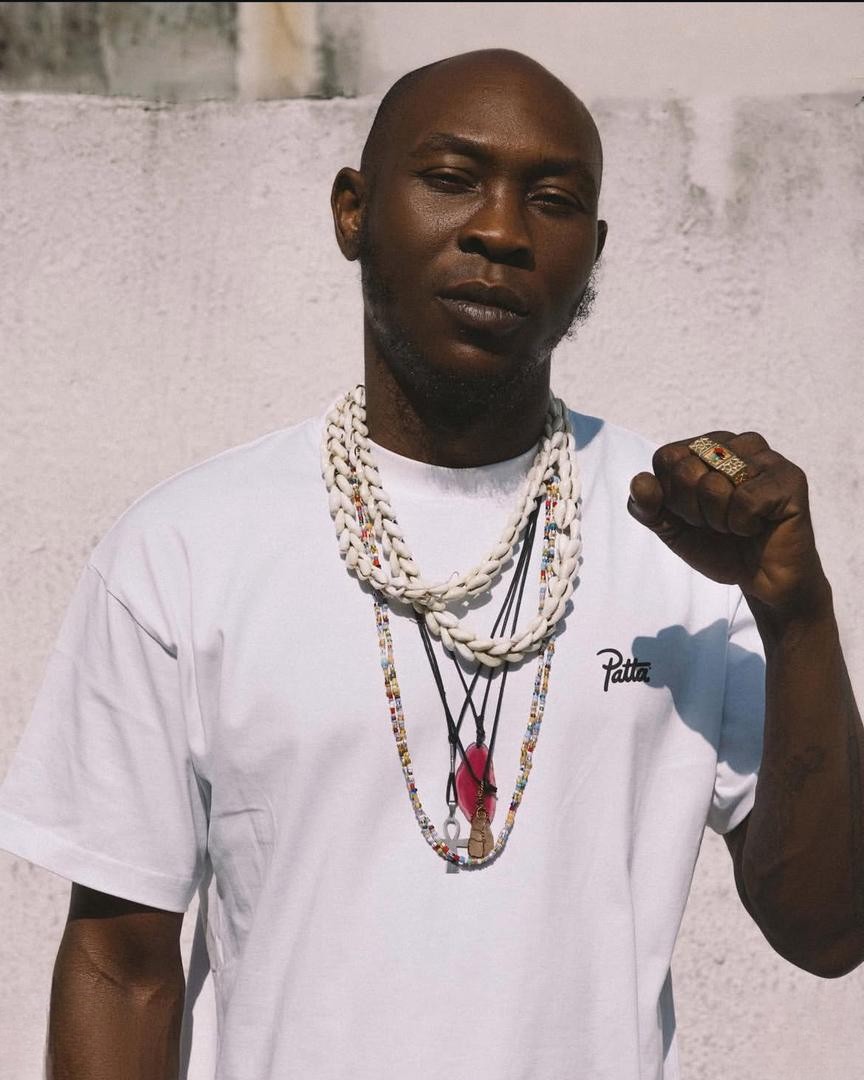
Grammy-nominated Afrobeat artist Seun Kuti has revealed that he has been effectively blacklisted in Nigeria’s music industry for over a decade, attributing the alleged exclusion to his politically conscious style of music.
Speaking in a recent interview, the musician said he has faced industry marginalisation for approximately 13 years, claiming his outspoken approach and focus on social issues have limited his mainstream opportunities.
Kuti, the youngest son of Afrobeat pioneer Fela Kuti, suggested that the Nigerian music space has increasingly favored artists who avoid political commentary. According to him, authorities and industry stakeholders have historically been wary of music that challenges governance or highlights societal issues, leading to reduced support for “conscious” musicians.
He traced the situation back to his performances and public stance on national issues, noting that his refusal to self-censor has contributed to his prolonged exclusion. The singer added that his experience reflects a broader pattern in which artists who “speak truth to power” are sidelined in favor of more commercially driven acts.
Despite the claim of blacklisting, Kuti downplayed its impact on his overall career, stating that Nigeria represents only a small portion of his global audience. He emphasized that his music continues to resonate internationally, even as he faces challenges within the domestic industry.
Known for carrying forward his father’s legacy of activism through music, Kuti has consistently used his platform to address political and social issues in Nigeria. His work with the band Egypt 80 and his outspoken views have earned him both critical acclaim and controversy over the years.
The comments have reignited conversations about freedom of expression in Nigeria’s entertainment industry, as well as the balance between commercial success and artistic activism. While some observers view Kuti’s claims as reflective of deeper systemic issues, others argue that the evolution of the music industry has been shaped more by market trends than deliberate exclusion.
As debate continues, Kuti’s remarks underscore ongoing tensions between art, politics, and influence in one of Africa’s most dynamic music scenes.