
Listeners:
Top listeners:
 play_arrow
 Cosoro Afrobeats UK's No.1 Afrobeats Radio Station
 play_arrow
 Cosoro Pidgin Na we bi di No.1 UK Pidgin Radio
 play_arrow
 Cosoro Evergreen UK's No.1 Radio for Timeless African Sounds

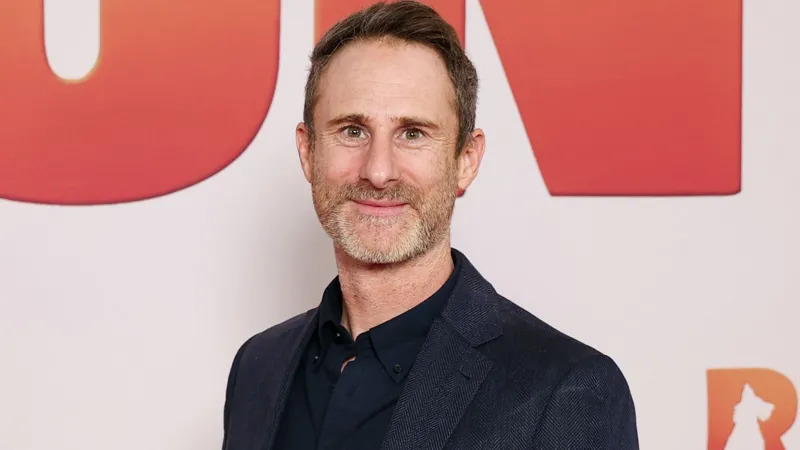
Pic Credit; Getty Images
Prominent Australian author Craig Silvey, widely known for his bestselling children’s and young adult novels, has pleaded guilty to charges relating to the possession and distribution of child exploitation material.
The 43-year-old writer entered his plea during a court appearance on Tuesday, admitting to two offences linked to material produced in January this year. Prosecutors dropped two additional charges, including one related to content allegedly produced in 2022. Silvey was first arrested in January following a police raid on his home in Perth, Western Australia, where authorities seized several electronic devices.
Silvey, a father of three, was granted continued bail and is scheduled to return to court in July for further proceedings. He declined to comment to reporters outside the courtroom.
The case has triggered swift repercussions across Australia’s education and publishing sectors. Since his arrest, several of Silvey’s most well-known works—including Jasper Jones, Runt, and Rhubarb, have been removed from school curricula in Western Australia and Victoria. Publishers and retailers have also withdrawn his titles from sale, reflecting growing concern about the author’s conduct and its impact on young readers.
Silvey rose to prominence with Jasper Jones, a coming-of-age story that follows a 13-year-old boy navigating prejudice and injustice in a small Australian town. The novel received widespread critical acclaim, earning multiple literary awards and a nomination for the International Dublin Literary Award. It was later adapted into a feature film in 2017, starring Toni Collette and Hugo Weaving.
His later work, Runt, also achieved commercial success. The story, centered on the adventures of an 11-year-old girl and her stray dog in the Australian outback, was adapted into a film released in 2024, featuring Celeste Barber.
The removal of Silvey’s books from classrooms has sparked debate about how institutions should respond when creators of children’s literature are implicated in serious criminal offences. While some educators argue the works should be assessed independently of the author, others maintain that the nature of the charges makes their continued use in schools inappropriate.
Legal proceedings are ongoing, and the court is expected to determine sentencing at a later stage. In the meantime, the case continues to raise broader questions about accountability, the separation of art from artist, and the responsibilities of institutions that promote literature to young audiences.