

Listeners:
Top listeners:
 play_arrow
 Cosoro Afrobeats UK's #1 Afrobeats Radio Station
 play_arrow
 Cosoro Pidgin Na we bi di #1 UK Pidgin Radio
 play_arrow
 Cosoro Evergreen UK's #1 Radio for Timeless African Sounds


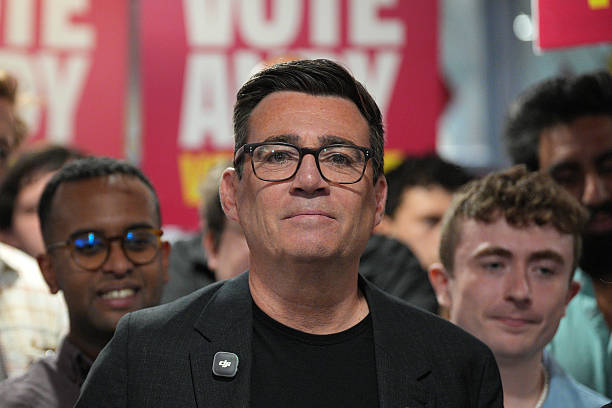
(Photo by Christopher Furlong/Getty Images)
Prime Minister Andy Burnham will face his first Prime Minister’s Questions on Wednesday with his new government already confronting a difficult economic backdrop, as rising UK borrowing costs threaten to reduce the room available for Chancellor John Healey’s October Budget. The pressure intensified on Tuesday when the yield on 30 year UK government bonds climbed to about 5.9 per cent, its highest level since 1998. Ten year gilt yields also rose to around 5.25 per cent, their highest level since the global financial crisis in 2008. Higher yields mean the government must pay more when it borrows or refinances debt, potentially increasing pressure on the public finances.
The timing is particularly uncomfortable for Burnham. He spent more than three hours in the Commons on Tuesday outlining an ambitious programme focused on reducing the cost of essentials, regenerating communities and transferring greater power from Westminster to the regions. He also backed greater public control over essential services, including water, energy and housing. But the bond market is now posing a more immediate test of those ambitions. Analysts have warned that the rise in borrowing costs could create a multi billion pound hole in the government’s fiscal plans, leaving Healey with less flexibility when he delivers his first Budget on October 28.
The sell off in government bonds has not been driven solely by concerns about Burnham’s spending plans. Global financial markets have been unsettled by rising inflation fears, particularly as the conflict involving Iran has pushed energy prices higher. Investors are also reassessing how long interest rates may need to remain elevated, making government borrowing more expensive. That economic uncertainty creates a political problem for Burnham. During his Commons appearance, he declined to rule out tax increases at the October Budget, while continuing to promise measures aimed at easing household costs. His government has also indicated that it wants to increase defence spending to 3 per cent of GDP by 2030, creating another significant demand on the Treasury.
Burnham’s first PMQs therefore comes at a moment when the political and economic tests of his premiership are beginning to converge. Conservative leader Kemi Badenoch is expected to press him on taxation, welfare, migration, defence spending and whether his government can realistically finance the programme it has promised. There are also questions about Burnham’s authority within his own party. Labour backbenchers are pushing for faster electoral reform, while other MPs are likely to demand clarity on spending priorities and welfare policy.
For Burnham, the challenge is no longer simply to present an alternative political vision. He must convince MPs, investors and the public that his plans can survive the realities of the UK’s finances. His message on Tuesday was that Britain needs a different economic model after years of weak growth, austerity and the disruption associated with Brexit. But with borrowing costs rising sharply, the bond market is already asking the question that will follow Burnham into PMQs and towards the Budget: How much of his ambitious programme can the Treasury actually afford?