

Listeners:
Top listeners:
 play_arrow
 Cosoro Afrobeats UK's #1 Afrobeats Radio Station
 play_arrow
 Cosoro Pidgin Na we bi di #1 UK Pidgin Radio
 play_arrow
 Cosoro Evergreen UK's #1 Radio for Timeless African Sounds


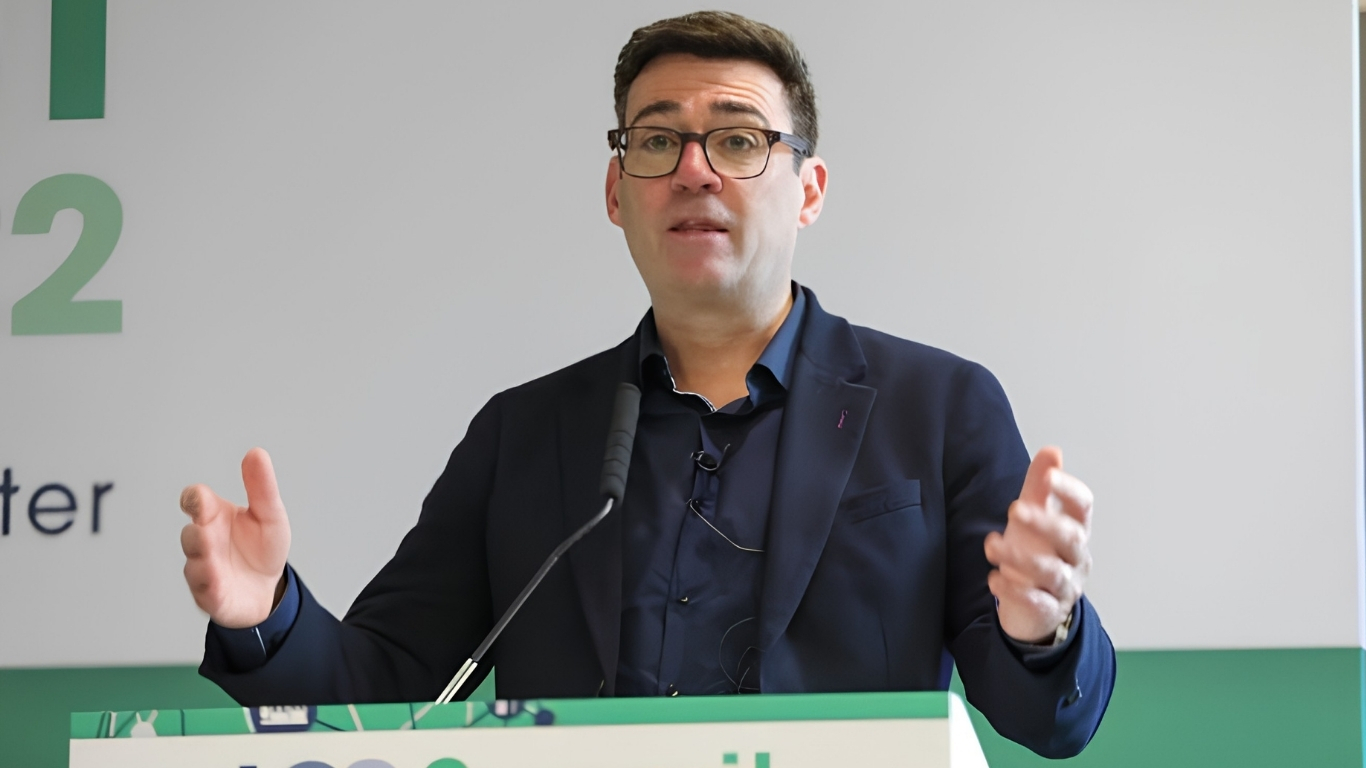
Prime Minister Andy Burnham has changed the government’s controversial early release scheme to ensure that the two men convicted over the killing of PC Andrew Harper will not be released from prison early. Under the revised rules, anyone convicted of unlawful killing, including manslaughter and causing death by dangerous driving, will be excluded from the scheme. The change means Albert Bowers and Jessie Cole, who were each sentenced to 13 years for the manslaughter of PC Harper, will remain in prison rather than becoming eligible for earlier release.
The decision follows growing public anger after it emerged that Bowers and Cole could have benefited from changes designed to tackle severe overcrowding in England’s prisons. Their potential release became the focus of a campaign led by Harper’s family and supported by senior police figures, putting intense pressure on the government to reconsider the policy. PC Harper was killed in August 2019 while responding to a burglary in Berkshire. His ankles became caught in a tow rope attached to a vehicle being driven by a group involved in a quad-bike theft, and he was dragged for more than a mile. Bowers, Cole and a third man, Henry Long, were convicted of manslaughter in 2020.
Harper’s death later became the driving force behind Harper’s Law, introduced in 2022, which provides for a mandatory life sentence in certain circumstances when an emergency worker is killed while carrying out their duties. However, the law was not retrospective and therefore did not change the sentences imposed on Harper’s killers. Burnham’s latest announcement goes beyond the individual case. The government has expanded the list of offences excluded from the early release arrangements to include all forms of manslaughter, historic child sexual offences, indecent assault and offences involving the grooming of children.
The changes mean that around 1,400 prisoners who would otherwise have qualified for earlier release will remain behind bars. The number of prisoners expected to benefit from the wider scheme has consequently fallen from roughly 5,900 to about 4,500 over the coming year. The government is facing a difficult balancing act. The early release programme was introduced because the prison system is under severe pressure, with adult male prisons operating at around 98% capacity. There are concerns that keeping more offenders in custody will further reduce the available space and make an already difficult situation harder to manage.
Burnham has therefore paired the changes with plans to find additional prison capacity. The government is considering measures including the deportation of foreign national prisoners and legislation to address people still held under Imprisonment for Public Protection (IPP) sentences, which were abolished in 2012 but continue to affect thousands of prisoners. The government also intends to strengthen supervision of offenders released into the community, including the use of electronic tagging and restrictions around victims’ homes and other protected locations.
For Harper’s family, the announcement brings relief but also frustration over the circumstances that led to the policy change. His mother, Debbie Adlam, said she was grateful that her son’s killers would now serve the sentence they were originally expected to serve, but the campaign had taken an emotional toll on the family. The government’s reversal may settle the immediate controversy surrounding Harper’s killers, but it does not resolve the larger problem facing the prison system. Ministers must now find a way to reduce overcrowding without releasing offenders whose crimes are considered too serious for early release.