
Listeners:
Top listeners:
 play_arrow
 Cosoro Afrobeats UK's #1 Afrobeats Radio Station
 play_arrow
 Cosoro Pidgin Na we bi di #1 UK Pidgin Radio
 play_arrow
 Cosoro Evergreen UK's #1 Radio for Timeless African Sounds


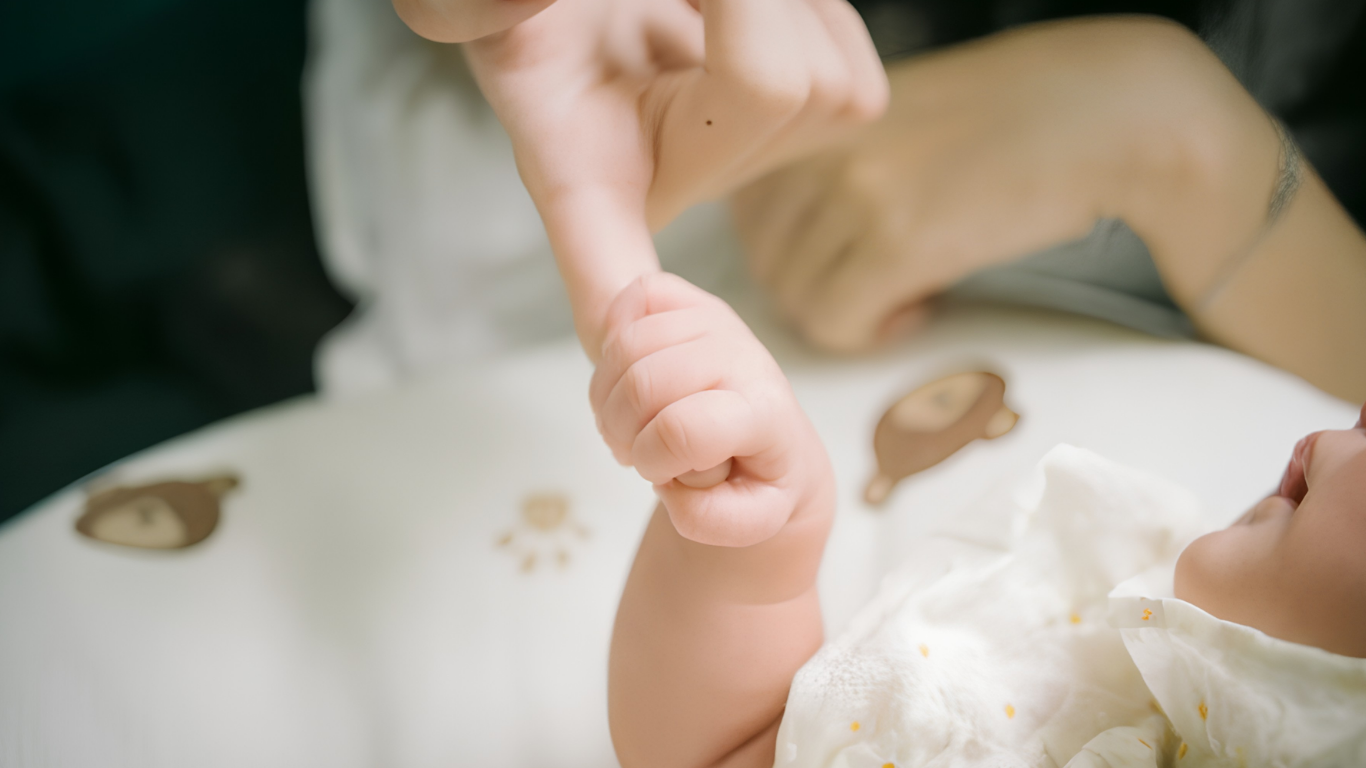
A growing IVF scandal in northern Cyprus has left at least 30 families questioning the identities of the sperm and egg donors used to conceive their children, with most of the affected children understood to be British. The BBC investigation found that parents who carefully selected anonymous donors based on medical history, appearance, personality and other characteristics now suspect that the donors they chose may not have been used during their fertility treatments.
The findings expand on an investigation published earlier this year, when the BBC identified seven families with similar concerns. Since then, more parents have come forward with accounts that contain striking similarities, raising questions about whether the cases were isolated mistakes or evidence of a wider problem within parts of the fertility industry in northern Cyprus.
Northern Cyprus has become a popular destination for international fertility patients, particularly from the UK, partly because treatment can be considerably cheaper than in Britain. Clinics also advertise high success rates and offer patients access to a wide range of international sperm and egg donors.
However, the territory operates under a different regulatory framework from the Republic of Cyprus. Northern Cyprus is recognised internationally only by Turkey, and European Union laws do not directly apply there. The BBC investigation found concerns about the level of regulation surrounding some fertility clinics.
One of the clinics at the centre of the investigation is Dogus IVF Centre. At least 15 of the cases identified by the BBC are connected to treatments carried out there, with most of those procedures taking place between 2012 and 2024.
Some parents have since carried out commercial DNA tests on their children. In 11 of the cases, the results indicated genetic ancestry from Turkey or surrounding regions, despite parents saying they had specifically selected donors from Western Europe.
The results do not, by themselves, establish exactly which donor was used or who was responsible. But they have intensified the families’ concerns that the donors they selected were not the donors used in their IVF procedures.
One mother, identified as Rachel, spent years questioning whether the sperm donor she had selected was actually used. She had chosen an anonymous Danish donor through Cryos International, the world’s largest sperm bank, because she wanted her future child to have the possibility of identifying the donor later in life.
Rachel’s treatment at Dogus in 2012 cost around €4,000 and was advertised as including donor sperm from Cryos. After her son Jonah was born, however, she became concerned because his appearance differed from the characteristics described on the donor’s profile. She also says the clinic repeatedly failed to provide documentation confirming that the selected donor’s sperm had been used.
Years later, DNA testing indicated that Jonah was Rachel’s biological son but did not match the ancestry she expected from the donor she had selected.
The case became even more concerning when the BBC contacted Cryos. The sperm bank said it could find no record of having delivered sperm to Dogus, despite the clinic having promoted its relationship with Cryos to prospective patients.
Cryos chief executive Ole Schou told the BBC he was shocked by the number of families potentially affected. The company also revealed that it had blacklisted Dogus in 2016 after concerns that the clinic had failed to order Cryos sperm for a patient despite telling the patient that it would.
Cryos has since suspended cooperation with Firdevs and Miracle IVF, another clinic linked to several of the cases, pending the outcome of an investigation by the northern Cyprus authorities.
Several individuals connected to the clinics have been named in the investigation. Dr Sevket Alpturk, the owner and responsible manager of Dogus, was involved in the treatment of parents of six children whose families have raised concerns. He has not responded to the BBC’s questions.
Dr Firdevs Uguz Tip, who treated several patients at Dogus and later worked at other clinics, has denied misleading patients. She said that Alpturk was responsible for signing off procedures at Dogus and that obtaining sperm was not part of her role.
Julie Hodson, a patient co-ordinator who worked closely with many British patients at Dogus, was also repeatedly involved in the cases. Emails seen by the BBC show her telling patients that Dr Firdevs would arrange their sperm orders. Hodson has not responded to the BBC’s attempts to obtain a response to the allegations.
The British Fertility Society said the scale of the allegations was extremely concerning. Fertility experts consulted by the BBC said accidentally using the wrong donor is considered very rare, meaning that multiple similar cases could indicate serious negligence or deliberate wrongdoing.
The issue is not simply about whether a clinic made an administrative mistake. For donor-conceived people, information about their biological origins can have profound medical, emotional and personal significance.
Knowing the identity and medical history of a biological donor can help people understand inherited health risks and family medical conditions. It can also affect their sense of identity and their ability to discover biological relatives or genetic siblings.
Laura Bridgens, founder of Donor Conceived UK, described knowledge of one’s origins as a fundamental right for donor-conceived people.
For the affected families, the uncertainty can therefore extend far beyond the original fertility treatment. Some parents are now asking whether other children were conceived using the same donors and whether their children may have biological siblings they know nothing about.
The northern Cyprus Ministry of Health has said it launched an official investigation after the BBC’s earlier reporting. However, the ministry has not provided the BBC with detailed information about the investigation or its findings.
Dr Firdevs has said she has been cleared of breaching any laws, but the BBC has not independently confirmed that claim with the Ministry of Health.
The investigation has also raised wider questions about international fertility tourism and the safeguards available when patients travel abroad for reproductive treatment. Lower costs and access to donor options can make overseas treatment attractive, but families may have fewer avenues for accountability when something goes wrong.
For the parents now involved, the central question remains unanswered: if the donors they selected were not used, who were the biological donors, and how did the wrong donors come to be used?