
Listeners:
Top listeners:
 play_arrow
 Cosoro Afrobeats UK's #1 Afrobeats Radio Station
 play_arrow
 Cosoro Pidgin Na we bi di #1 UK Pidgin Radio
 play_arrow
 Cosoro Evergreen UK's #1 Radio for Timeless African Sounds


Spanish Prime Minister Pedro Sánchez has called a snap general election for 29 November, bringing forward a vote that had been expected next year after his minority government suffered a major parliamentary defeat over measures aimed at tackling the country’s housing crisis. Sánchez announced the election in a televised address on Monday, saying Spain needed to renew public support for his government and secure a stronger parliamentary majority to push through its agenda.
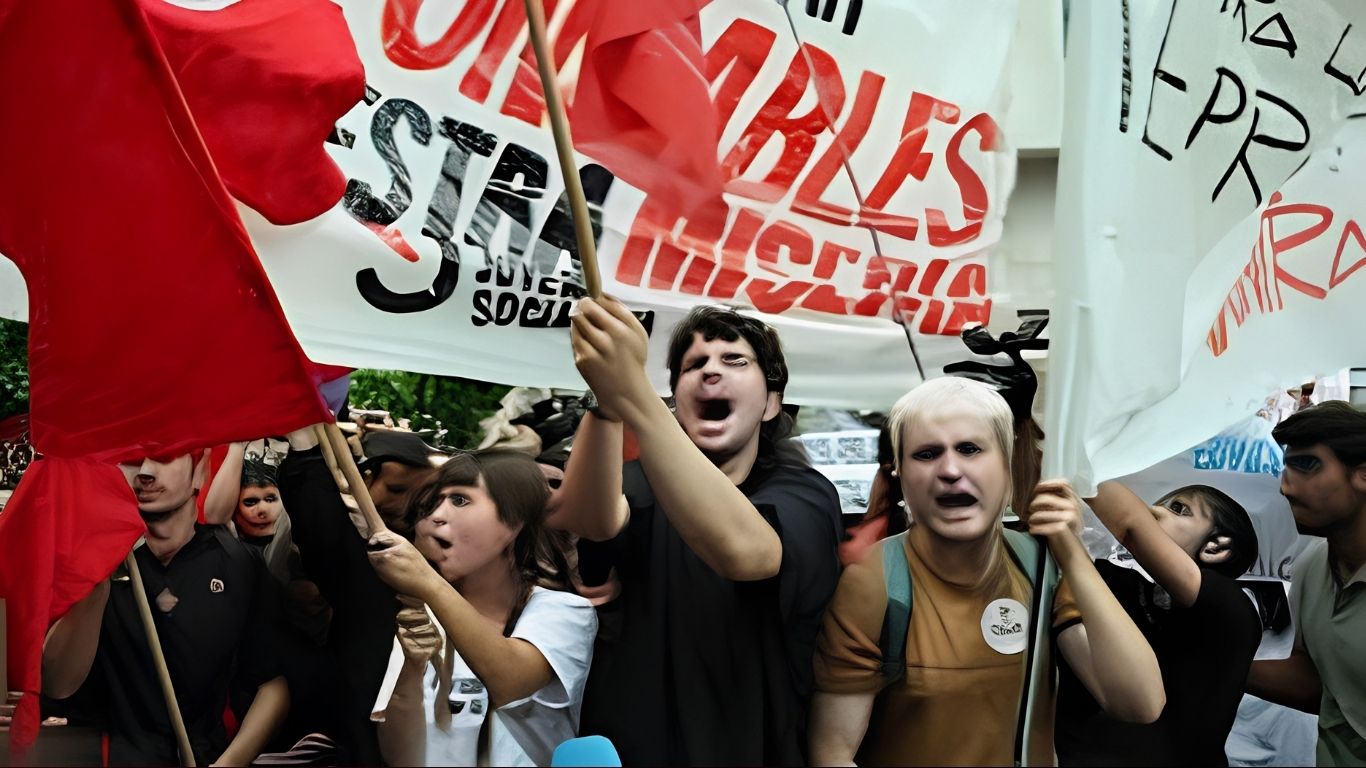
The decision came just days after Spain’s Congress rejected two emergency housing decrees proposed by the government. The measures were designed to strengthen protections for tenants, address evictions and regulate parts of the rental market. The defeat followed weeks of growing public anger over the cost and availability of housing. Demonstrations have taken place in cities across Spain, with tens of thousands of people gathering in Madrid over the weekend to demand action.
The protests intensified after the eviction of 87 year old Maricarmen Abascal, who had lived in her Madrid home for around 70 years. Her case became a symbol of wider concerns over rising rents, evictions and the shortage of affordable housing.
The government’s proposed housing measures included protections against evicting vulnerable tenants, restrictions on some temporary rentals and measures aimed at limiting real-estate speculation. However, the legislation was rejected in Parliament after opposition from the conservative People’s Party, Vox and the Catalan pro-independence party Junts.
Sánchez acknowledged during his announcement that his government had made mistakes and had not fulfilled all of its previous promises. He argued that a stronger parliamentary majority would allow his administration to address housing and other social issues.
The prime minister’s decision comes as his Socialist Party faces a difficult political environment. His government has depended on support from smaller parties to pass legislation, but divisions among its parliamentary partners have made governing increasingly difficult. Spain has also been dealing with political controversy surrounding migration and corruption cases involving people linked to the ruling Socialist Party.
The election will take place on 29 November, around eight months earlier than the end of the current parliamentary term. The vote is expected to put housing affordability at the centre of the campaign, alongside other major issues including migration, the economy and the future of Sánchez’s minority government.