

Listeners:
Top listeners:
 play_arrow
 Cosoro Afrobeats UK's #1 Afrobeats Radio Station
 play_arrow
 Cosoro Pidgin Na we bi di #1 UK Pidgin Radio
 play_arrow
 Cosoro Evergreen UK's #1 Radio for Timeless African Sounds


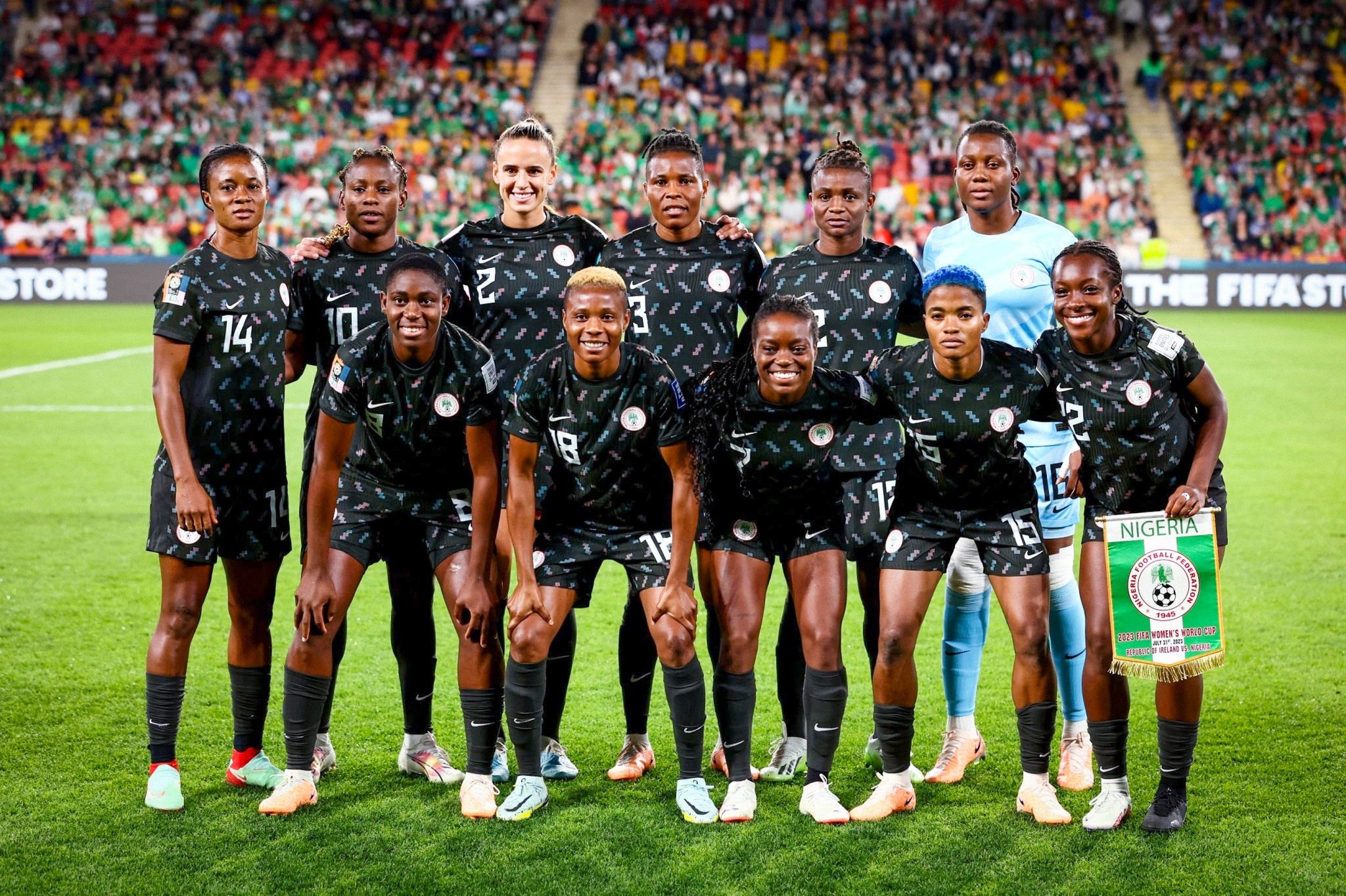
Nigeria’s Super Falcons have suffered a historic setback after losing 2-1 to South Africa in Casablanca, ending their hopes of qualifying for the 2027 FIFA Women’s World Cup in Brazil. The defeat means Nigeria will miss the tournament for the first time since the Women’s World Cup began in 1991.
The result is particularly painful because the Super Falcons had previously appeared at every edition of the competition. For more than three decades, Nigeria had been a constant presence on the global stage, making the team’s elimination a significant moment in African women’s football.
The match in Casablanca was effectively a second chance for both sides. Nigeria and South Africa had both lost their WAFCON quarter-final matches, meaning neither team secured one of Africa’s automatic qualification places. Their meeting was therefore a crucial play-off, with the winner advancing to the intercontinental play-off tournament for another opportunity to reach Brazil 2027.
South Africa ultimately seized that opportunity.
The opening half was closely contested, with Nigeria showing periods of promise but failing to turn their opportunities into goals. After the break, however, Banyana Banyana became more dangerous and eventually found the breakthrough through Thembi Kgatlana.
Refiloe Jane then added South Africa’s second goal, putting Nigeria in a difficult position. The Super Falcons continued to push forward, but South Africa’s defence held firm as the pressure increased.
The closing stages produced a dramatic twist. Jane was sent off, leaving South Africa with 10 players, and Nigeria were awarded a penalty after a VAR review deep into stoppage time. Christy Ucheibe converted to reduce the deficit to 2-1 and give Nigeria a final opportunity to rescue the match.
Nigeria pushed for an equaliser, but South African goalkeeper Kaylin Swart produced a crucial late save on the final play to preserve the victory. The result sent Banyana Banyana into the intercontinental play-off tournament while ending Nigeria’s World Cup campaign.
For South Africa, the victory keeps alive their hopes of reaching a third consecutive Women’s World Cup. Banyana Banyana must still navigate the intercontinental play-offs, where they will compete for one of the remaining places at the 2027 tournament.
For Nigeria, the defeat represents the end of an era.
The Super Falcons have long been regarded as the dominant force in African women’s football and have carried Nigeria’s flag at every previous Women’s World Cup. Missing the 2027 edition will therefore leave a major gap in the tournament and marks a rare setback for one of Africa’s most established women’s national teams.
The loss also underlines the growing competitiveness of African women’s football. South Africa have emerged as one of Nigeria’s strongest continental rivals, while other nations are increasingly challenging the traditional powers. The gap between Africa’s leading teams has become narrower, making qualification more difficult than it once was.
Nigeria now faces an important period of reflection. The Super Falcons will need to assess the shortcomings that contributed to their early WAFCON exit and subsequent failure to secure the final African route to the World Cup.