

Listeners:
Top listeners:
 play_arrow
 Cosoro Afrobeats UK's #1 Afrobeats Radio Station
 play_arrow
 Cosoro Pidgin Na we bi di #1 UK Pidgin Radio
 play_arrow
 Cosoro Evergreen UK's #1 Radio for Timeless African Sounds


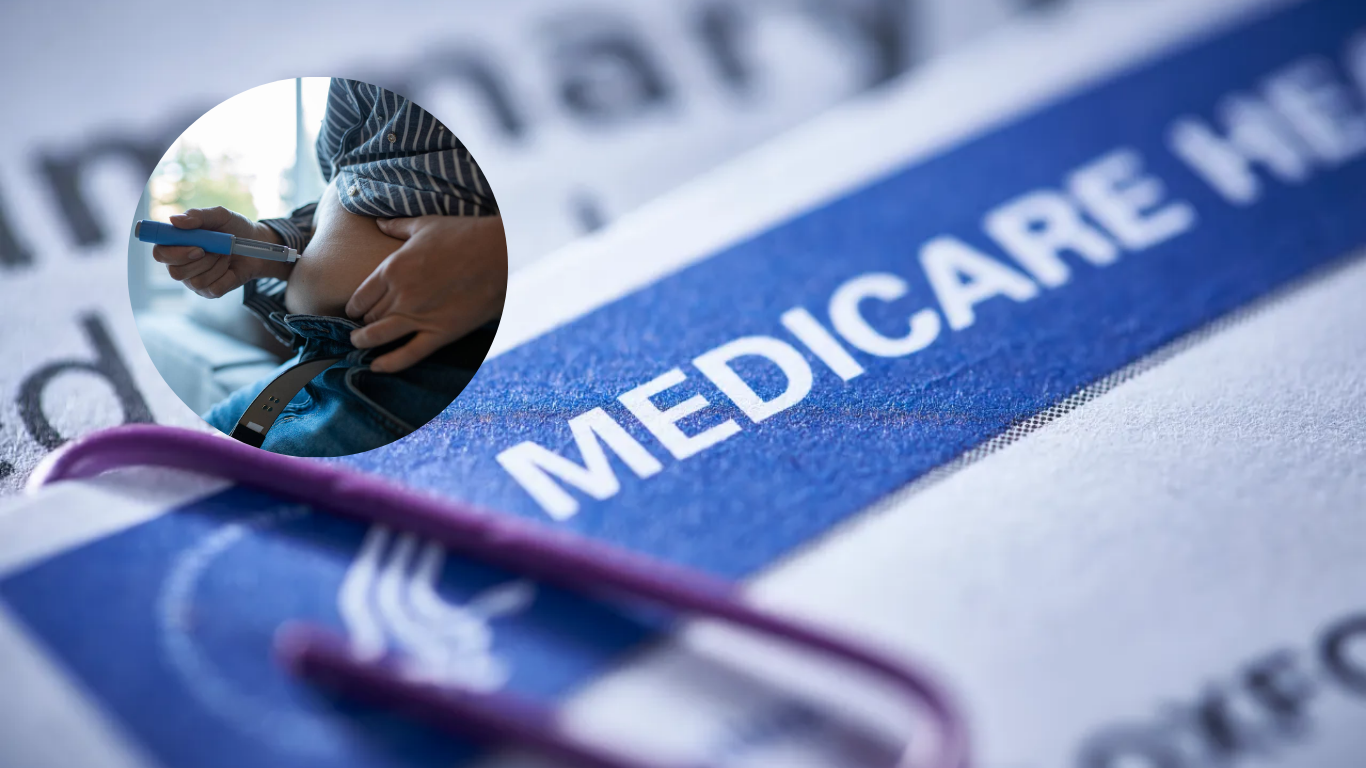
Millions of older Americans could soon receive Medicare coverage for weight-loss medications for the first time, marking a major shift in US healthcare policy. Beginning July 1, the Centers for Medicare & Medicaid Services (CMS) will launch the temporary Medicare GLP-1 Bridge Program, allowing eligible Medicare Part D beneficiaries to purchase certain anti-obesity medications for a monthly copayment of just $50.
For decades, Medicare has been prohibited by law from covering drugs prescribed solely for weight loss. However, CMS is permitted to conduct demonstration projects that test new healthcare payment and coverage models. The Bridge program stems from an agreement announced by the Trump administration in late 2025 with drug manufacturers Eli Lilly and Novo Nordisk to improve access to GLP-1 medications while evaluating their long-term impact on patient health and Medicare spending. CNN, the Centers for Medicare & Medicaid Services (CMS) and health policy group KFF report that the initiative is the first nationwide effort to offer Medicare beneficiaries direct access to obesity medications specifically for weight management.
The pilot will cover approved medications including Wegovy, Zepbound and Foundayo for beneficiaries who meet strict eligibility requirements. Patients must be enrolled in Medicare Part D and satisfy specific body mass index (BMI) and health criteria, including obesity-related conditions such as prediabetes, high blood pressure, chronic kidney disease or previous cardiovascular events. Those already receiving GLP-1 drugs for diabetes or other Medicare-covered conditions are not eligible for the pilot.
Doctors and obesity specialists have welcomed the initiative, arguing that obesity is a chronic disease that deserves treatment in the same way as diabetes or heart disease. Many Medicare beneficiaries have previously been unable to afford these medications, which initially entered the market with prices exceeding $1,000 per month. Under the new program, eligible participants will pay $50 monthly, while the federal government purchases the drugs from manufacturers at negotiated prices.
Health experts believe the program could improve quality of life for millions of older adults by helping reduce obesity-related complications such as heart disease, stroke and high blood pressure. However, some patient advocates have expressed concern that the eligibility requirements remain restrictive, leaving many seniors who struggle with obesity unable to qualify.
According to KFF, roughly 3.8 million Medicare Part D beneficiaries could meet the eligibility criteria, although the actual number of participants remains uncertain. CMS expects enrolment to reach the low millions initially while monitoring both costs and health outcomes. The agency believes the program could become cost-neutral over time if improved health reduces overall medical spending.
The Medicare GLP-1 Bridge Program is scheduled to run through the end of 2027, giving policymakers time to assess whether broader Medicare coverage for weight-loss medications should become permanent.