
Listeners:
Top listeners:
 play_arrow
 Cosoro Afrobeats UK's No.1 Afrobeats Radio Station
 play_arrow
 Cosoro Pidgin Na we bi di No.1 UK Pidgin Radio
 play_arrow
 Cosoro Evergreen UK's No.1 Radio for Timeless African Sounds


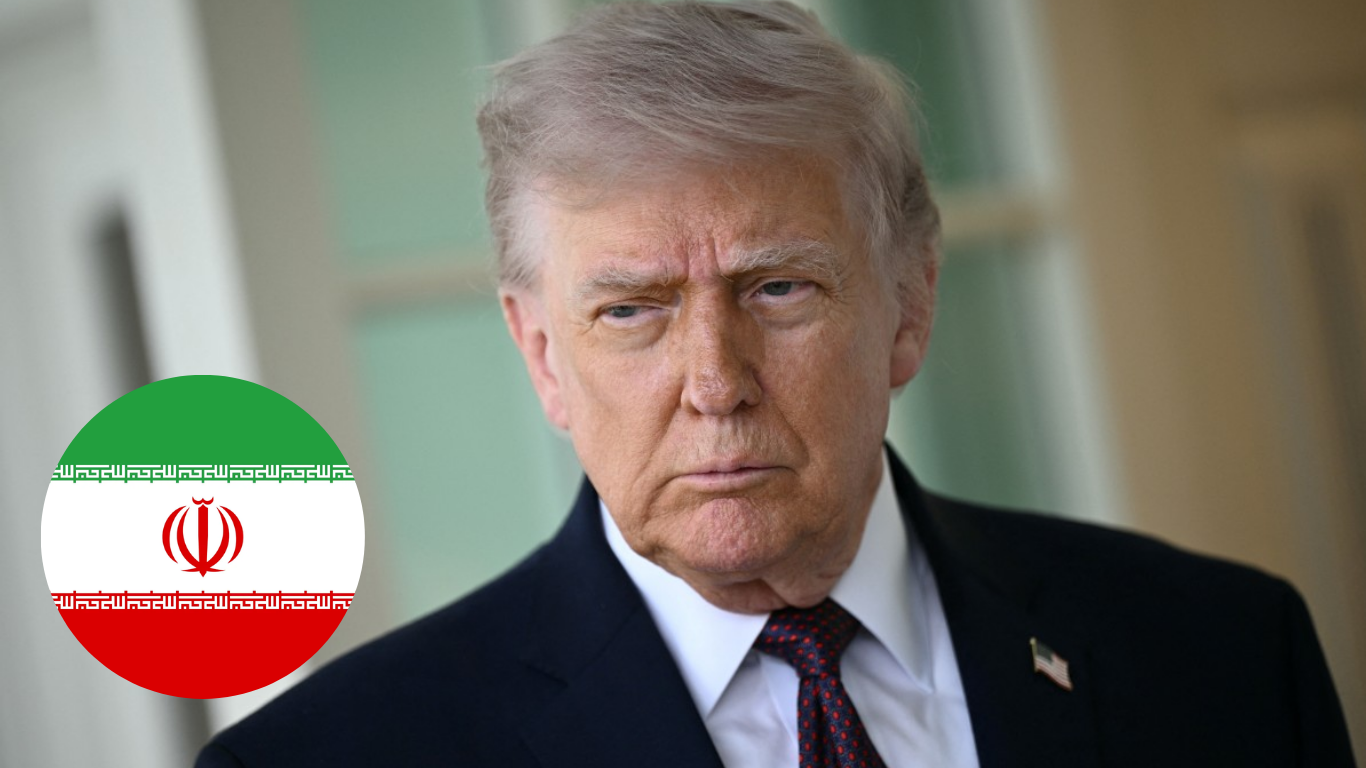
Tensions between the United States and Iran have reached a new and potentially dangerous level after U.S. President Donald Trump warned that America would hit Iran “very hard tonight” if ongoing efforts to secure a peace agreement fail. The warning came in a post on Truth Social, where Trump claimed that much of Iran’s military capability had already been weakened and vowed that the United States would intensify its actions against Tehran.
The latest threat follows weeks of escalating hostilities between Washington and Tehran. According to reports, the crisis intensified after Iran allegedly downed a U.S. Apache helicopter near the Strait of Hormuz, a strategically vital waterway through which a significant portion of the world’s oil supply passes. In response, the United States launched strikes targeting Iranian radar and air defence systems, with Trump warning that additional military action would follow if Iran failed to agree to a deal.
Perhaps the most striking aspect of Trump’s latest statement was his declaration that the United States would eventually take control of Iran’s key oil and gas infrastructure, including Kharg Island. Located in the Persian Gulf, Kharg Island is the backbone of Iran’s oil export industry, handling roughly 90 percent of the country’s crude oil exports. Energy analysts have long described the island as one of the most strategically important economic assets in Iran, making it a critical target in any effort to pressure Tehran economically.
Trump’s comments regarding Kharg Island are not entirely new. Earlier this year, he publicly threatened to target Iran’s energy facilities, including Kharg Island, if negotiations failed or if shipping routes through the Strait of Hormuz remained disrupted. Those warnings were part of a broader campaign aimed at forcing Iran back to the negotiating table while protecting global energy supplies.
The conflict has also raised concerns across international energy markets. The Strait of Hormuz remains one of the world’s most important maritime chokepoints, and any disruption to shipping in the region has the potential to drive up oil prices globally. Trump recently claimed that U.S. military operations had helped escort commercial vessels through the strait and ensured the movement of millions of barrels of oil despite the ongoing crisis.
Despite the increasingly aggressive rhetoric, diplomatic efforts have not completely collapsed. Trump has repeatedly stated that he remains open to reaching a deal with Iran, while U.S. officials have indicated that military pressure is being used alongside diplomacy to secure concessions from Tehran. Defence Secretary Pete Hegseth recently suggested that the latest military operations were designed to create conditions for a negotiated settlement, even as preparations for further strikes continue.
Iran, meanwhile, has continued to reject U.S. pressure and has accused Washington of escalating tensions in the region. The dispute comes against the backdrop of years of strained relations between the two countries, including disagreements over Iran’s nuclear programme, regional influence, sanctions, and military activity in the Middle East.
With both sides exchanging threats and military operations intensifying, international observers are closely monitoring developments. Any direct attack on critical Iranian energy infrastructure such as Kharg Island could have significant geopolitical consequences, affecting not only the Middle East but also global energy markets and international trade.