

Listeners:
Top listeners:
 play_arrow
 Cosoro Afrobeats UK's #1 Afrobeats Radio Station
 play_arrow
 Cosoro Pidgin Na we bi di #1 UK Pidgin Radio
 play_arrow
 Cosoro Evergreen UK's #1 Radio for Timeless African Sounds


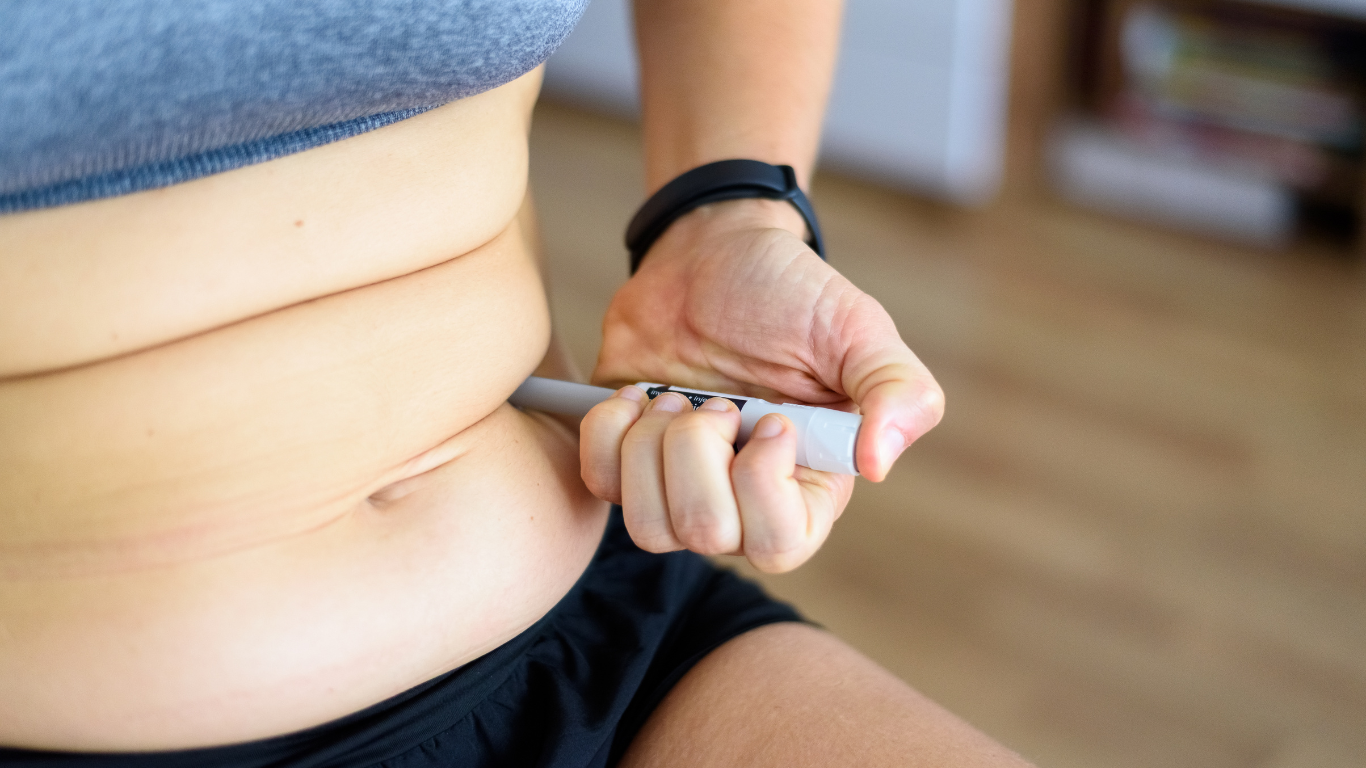
Tens of thousands of cancer patients in England are set to benefit from a groundbreaking new “one-minute jab” being introduced by the National Health Service (NHS), dramatically reducing treatment times and easing pressure on hospitals.
The new injection is a faster form of the immunotherapy drug Pembrolizumab (also known as Keytruda), which has been used for years to treat multiple cancers, including lung, breast, cervical, and head and neck cancers. Traditionally, the drug has been administered through an intravenous drip, often requiring patients to spend long periods—sometimes up to two hours—in hospital during each treatment session.
Under the new system, the same treatment can now be delivered as a quick injection under the skin in about one minute, or up to two minutes depending on dosage schedules. This change is expected to cut treatment time by as much as 90%, allowing patients to spend significantly less time in clinics while receiving the same therapeutic benefits.
Health officials say around 14,000 patients in England begin treatment with pembrolizumab each year, and most of them are expected to transition to the injectable version. The drug works by blocking a protein known as PD-1, which normally suppresses the immune system. By inhibiting this protein, the therapy enables the body’s immune defenses to recognize and attack cancer cells more effectively.
The rollout is also expected to improve efficiency within the NHS. Previously, the preparation of the drug required careful handling in sterile conditions and significant staff time. The ready-to-use injection reduces preparation demands by more than 40%, freeing up healthcare workers and increasing the number of patients that can be treated.
Medical leaders have welcomed the innovation, describing it as a major step forward in patient-centered care. Professor Peter Johnson, NHS national clinical director for cancer, said the rapid jab would allow patients to “get back to living their lives” rather than spending hours receiving treatment in hospital settings.
Early patient experiences have also been positive. One of the first recipients, an 89-ye
The introduction of the one-minute jab reflects a broader shift in cancer care toward faster, more convenient therapies that maintain effectiveness while reducing the burden on both patients and healthcare systems. As the NHS continues to adopt such innovations, experts believe these advancements could play a key role in improving access to treatment and reducing waiting times across the UK.