
Listeners:
Top listeners:
 play_arrow
 Cosoro Afrobeats UK's #1 Afrobeats Radio Station
 play_arrow
 Cosoro Pidgin Na we bi di #1 UK Pidgin Radio
 play_arrow
 Cosoro Evergreen UK's #1 Radio for Timeless African Sounds

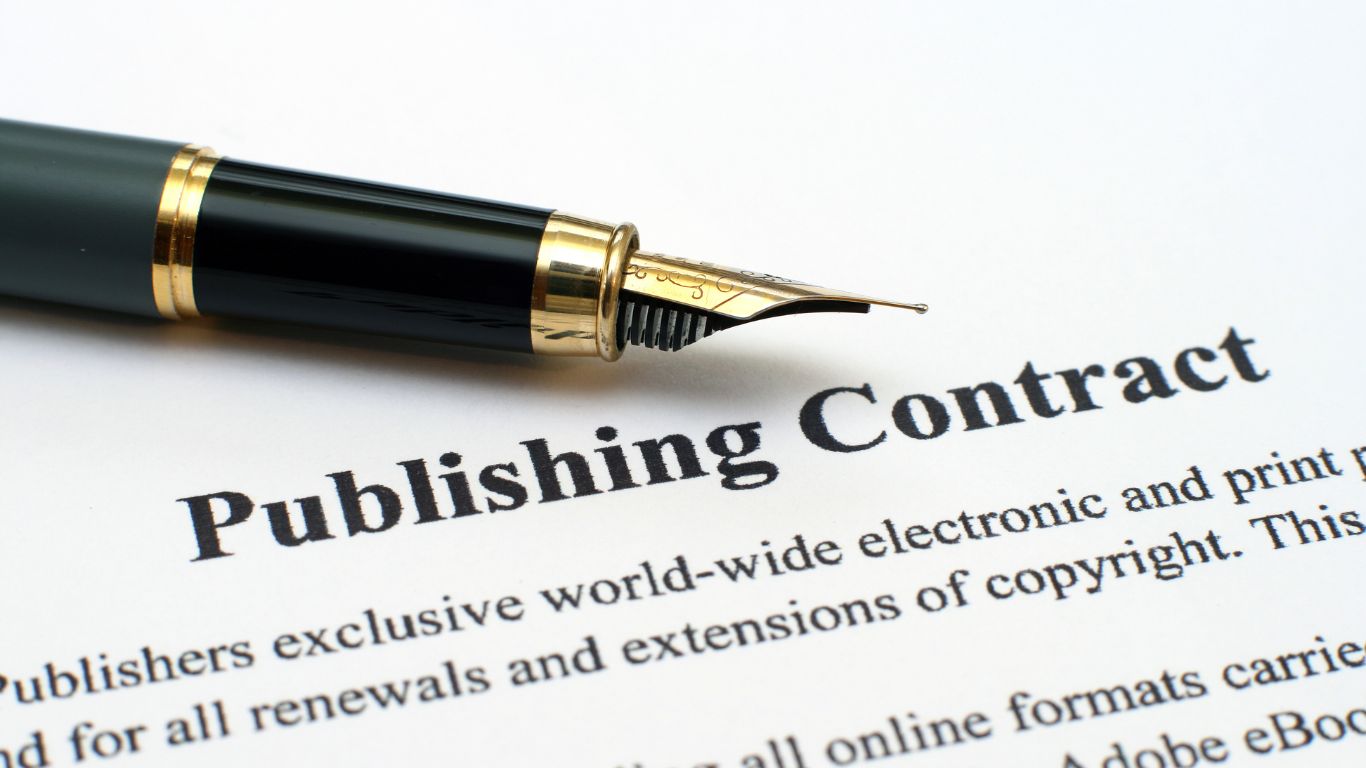
Behind every song used in a film, advertisement, YouTube video, nightclub, streaming platform, or social media campaign lies a legal agreement that allows that music to be used. This agreement is what is known as music licensing. In simple terms, music licensing is the process of granting permission to use copyrighted music under agreed conditions. It serves as the bridge between creators who own music and individuals or businesses that want to use it commercially or publicly.
In today’s digital world, music has become deeply connected to entertainment, branding, storytelling, and online content creation. As a result, licensing has evolved into a major source of income for musicians, songwriters, producers, record labels, and publishers. Without music licensing, creators would struggle to protect their intellectual property, while businesses and content creators would risk legal consequences for unauthorized use of music.
To fully understand music licensing, it is important to first recognize that every song usually contains two separate copyrights. The first is the composition copyright, which protects the lyrics, melody, and songwriting structure. This is often owned by the songwriter or music publisher. The second is the master recording copyright, which protects the actual recorded version of the song. This is typically owned by the recording artist or the record label. These two rights form the foundation of nearly every music licensing agreement.
Because music can be used in different ways across various industries, several forms of music licenses exist. One of the most common is the synchronization license, often called a sync license. This type of license allows music to be paired with visual content such as films, television shows, commercials, documentaries, video games, or online videos. Whenever a song is synchronized with moving images, a sync license is usually required. For instance, if a filmmaker wants to use a popular song during an emotional scene in a movie, permission must first be obtained from the copyright owner of the composition.
Closely connected to the sync license is the master use license. While the sync license covers the composition itself, the master use license grants permission to use a specific recording of that song. This distinction is extremely important. A company may have permission to use a song, but if they want the original version recorded by a famous artist, they must also obtain a master use license from whoever owns that recording, usually a record label. In many commercial projects, both licenses are required simultaneously.
Another major category is the mechanical license. This license allows music to be reproduced and distributed in audio formats. Mechanical licenses are commonly associated with CDs, vinyl records, digital downloads, and streaming services. They are especially relevant when an artist wants to record and release a cover version of another artist’s song. In such cases, the artist does not own the composition, so a mechanical license ensures the original songwriter receives royalties from reproductions and streams.
Public performance licenses also play a significant role in the music business. These licenses are required whenever music is played publicly, whether in restaurants, hotels, clubs, shopping malls, radio stations, concerts, or streaming services. Even background music in a café falls under public performance laws. Performance rights organizations, commonly known as PROs, manage these licenses and collect royalties on behalf of artists and songwriters. Organizations such as MCSN, ASCAP, BMI, and PRS ensure that creators are compensated whenever their music is publicly performed or broadcast.
There are also print licenses, which cover the reproduction of song lyrics, sheet music, and musical notation. These licenses are often used by publishers, educational institutions, and music books. Although they may not receive as much attention as streaming or sync licensing, print licenses remain important in educational and publishing sectors.
As the music industry has evolved, blanket licenses have become increasingly popular. A blanket license allows businesses or organizations to access large catalogs of music without negotiating individual licenses for every song. Radio stations, television networks, restaurants, and digital platforms frequently rely on blanket licenses because they simplify the legal process of using music on a large scale. Instead of seeking permission song by song, users gain broad access to extensive music collections through a single agreement.
The rise of digital content creation has also introduced royalty-free music and Creative Commons licensing into mainstream use. Royalty-free music allows users to pay a one-time fee to use music under specific conditions without paying ongoing royalties for every use. Creative Commons licenses, on the other hand, allow creators to decide how others may use their work, sometimes permitting free use with proper attribution. These flexible licensing models have become especially attractive to YouTubers, podcasters, independent filmmakers, and social media creators who need affordable and accessible music options.
The process of music licensing itself can be complex. It usually begins with identifying the rights holders of both the composition and the master recording. Once the appropriate owners are identified, the individual or company seeking to use the music must request permission by explaining how the music will be used, where it will appear, how long it will be used, and the size of the intended audience. The copyright owners then negotiate terms, which may include licensing fees, royalties, exclusivity rights, and territorial limitations. Once both parties agree, a licensing contract is signed, giving legal authorization for the music to be used.
One of the greatest benefits of music licensing is the financial opportunity it creates for artists and rights holders. Licensing can generate significant revenue through upfront payments, royalties, streaming income, and commercial placements. A single song placement in a successful film, television show, or advertisement can dramatically increase an artist’s earnings and public exposure. For many musicians, licensing has become one of the most reliable forms of passive income, especially in an era where physical album sales have declined.
Beyond revenue, music licensing also provides legal protection. Copyright laws ensure that creators maintain ownership and control over how their music is used. This prevents unauthorized exploitation and helps preserve the value of creative work. At the same time, licensing protects businesses and content creators from legal disputes, copyright strikes, demonetization, and lawsuits. In industries where digital content spreads rapidly across multiple platforms, proper licensing is essential for maintaining professionalism and compliance with copyright laws.
Despite its advantages, music licensing can be difficult to navigate. One major challenge is that ownership rights are often divided among multiple parties, including songwriters, publishers, record labels, and producers. Negotiating with several rights holders can be time-consuming and expensive. Licensing fees for popular songs can also be extremely high, making certain music inaccessible to smaller creators and independent businesses. Additionally, licensing agreements may vary across countries and platforms, creating further complexity in international distribution.
The digital age has transformed music licensing more than any previous era. Streaming services, social media platforms, and user-generated content have created new opportunities and new legal challenges. Platforms such as YouTube, TikTok, Instagram, Spotify, and Netflix depend heavily on licensing agreements to legally distribute music worldwide. This is why copyrighted music can sometimes trigger automatic content claims or muting on social platforms when proper licensing is not in place. It also explains why some older television shows or films replace original songs when released on streaming platforms because the original licenses may not have included digital streaming rights.
Ultimately, music licensing remains the backbone of the modern music ecosystem. It protects creativity, supports artists financially, and allows businesses and creators to use music responsibly and legally. As technology continues to reshape entertainment and media consumption, the importance of music licensing will only continue to grow. For artists, it represents ownership and income. For businesses and creators, it represents legal security and creative freedom. In a world driven by digital content and global media distribution, understanding music licensing is no longer optional but essential.