
Listeners:
Top listeners:
 play_arrow
 Cosoro Afrobeats UK's #1 Afrobeats Radio Station
 play_arrow
 Cosoro Pidgin Na we bi di #1 UK Pidgin Radio
 play_arrow
 Cosoro Evergreen UK's #1 Radio for Timeless African Sounds


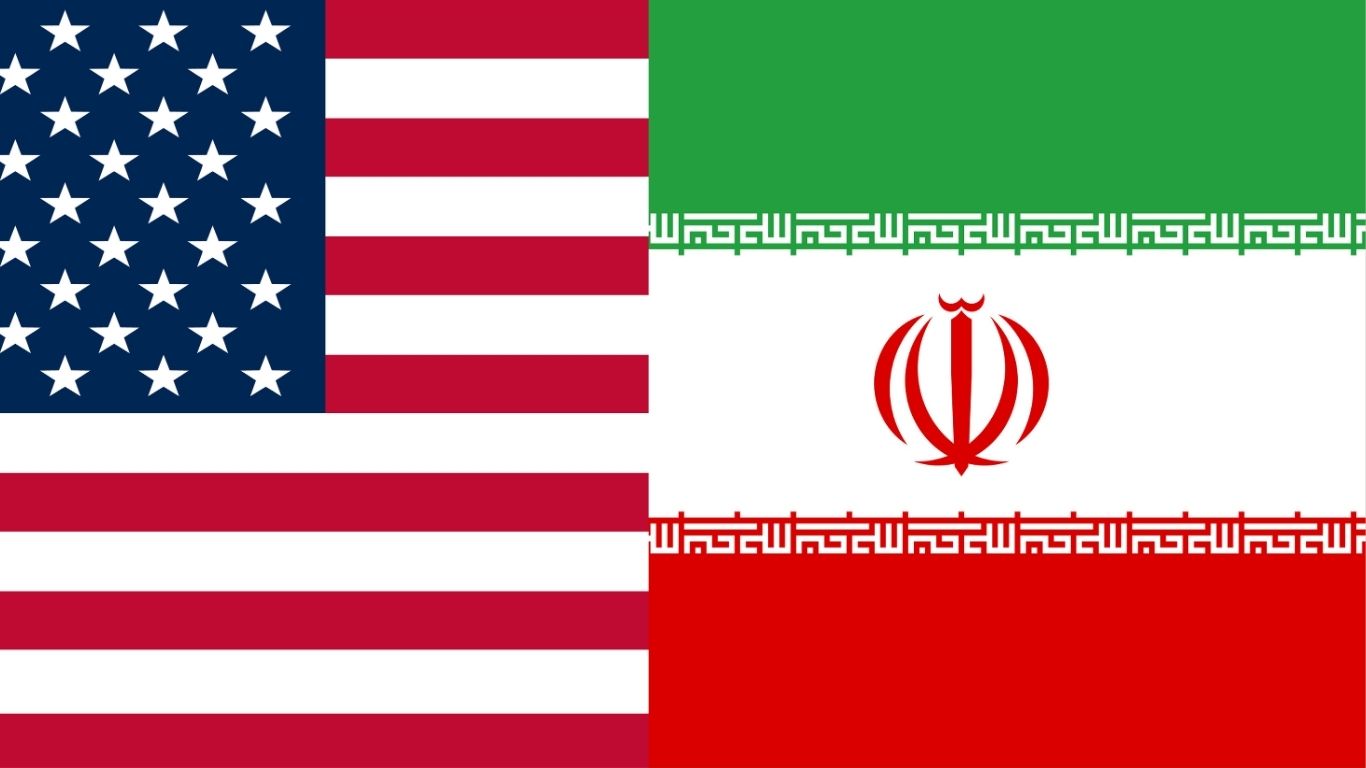
Tensions between the United States and Iran have escalated sharply after the two countries exchanged strikes for the first time in several weeks, raising fresh fears that the fragile pause in fighting could collapse. The latest confrontation began when US forces struck two Iranian rocket launchers on Larak Island, in the Strait of Hormuz. The United States said the launchers were being prepared for mining operations that could threaten shipping through the strategic waterway.
US Central Command described the operation as “limited, precise action”, saying American forces were responding to what they considered an imminent threat from Iranian forces preparing to deploy sea mines. The strikes are the first known direct US attacks on Iranian territory since the American military campaign was paused in late July. Iran said the strikes killed two people and injured two others, according to the Islamic Revolutionary Guard Corps. Iranian authorities condemned the attack and warned that the United States would face a response.
That response came quickly, Iran said it had launched attacks against US military positions in Jordan, while Jordanian authorities said their forces intercepted eight missiles early on Monday. Iranian state television also reported that Iranian forces had targeted an airbase in the United Arab Emirates with drones. The developments have increased concerns that the confrontation could spread beyond the immediate US-Iran theatre and draw neighbouring countries further into the conflict.
The latest strikes are particularly significant because they took place around the Strait of Hormuz, one of the world’s most important energy routes. The narrow waterway connects the Persian Gulf with the Gulf of Oman and is used by a huge volume of global oil and gas shipments. Any serious disruption could therefore have consequences far beyond the Middle East, potentially pushing up energy prices and increasing pressure on already fragile global markets. The US says its latest operation was intended to prevent Iran from threatening commercial shipping. Tehran, however, has repeatedly viewed the presence of US military forces in the region as a direct threat to its security.
The exchange marks a worrying return to direct US-Iran military confrontation after weeks in which the intensity of fighting had fallen. The United States had paused its renewed military campaign against Iran in late July, creating hopes that the two sides could avoid another major escalation. Monday’s strikes suggest that the underlying tensions remain unresolved. For Washington, the immediate concern appears to be preventing Iran from restricting or threatening shipping through the Strait of Hormuz. For Tehran, any American military action on or near Iranian territory risks being seen as an attack requiring retaliation. With Iranian forces already responding against American interests in the region, and the United States signalling that it will act against what it considers imminent threats, the possibility of further strikes remains high.