
Listeners:
Top listeners:
 play_arrow
 Cosoro Afrobeats UK's #1 Afrobeats Radio Station
 play_arrow
 Cosoro Pidgin Na we bi di #1 UK Pidgin Radio
 play_arrow
 Cosoro Evergreen UK's #1 Radio for Timeless African Sounds


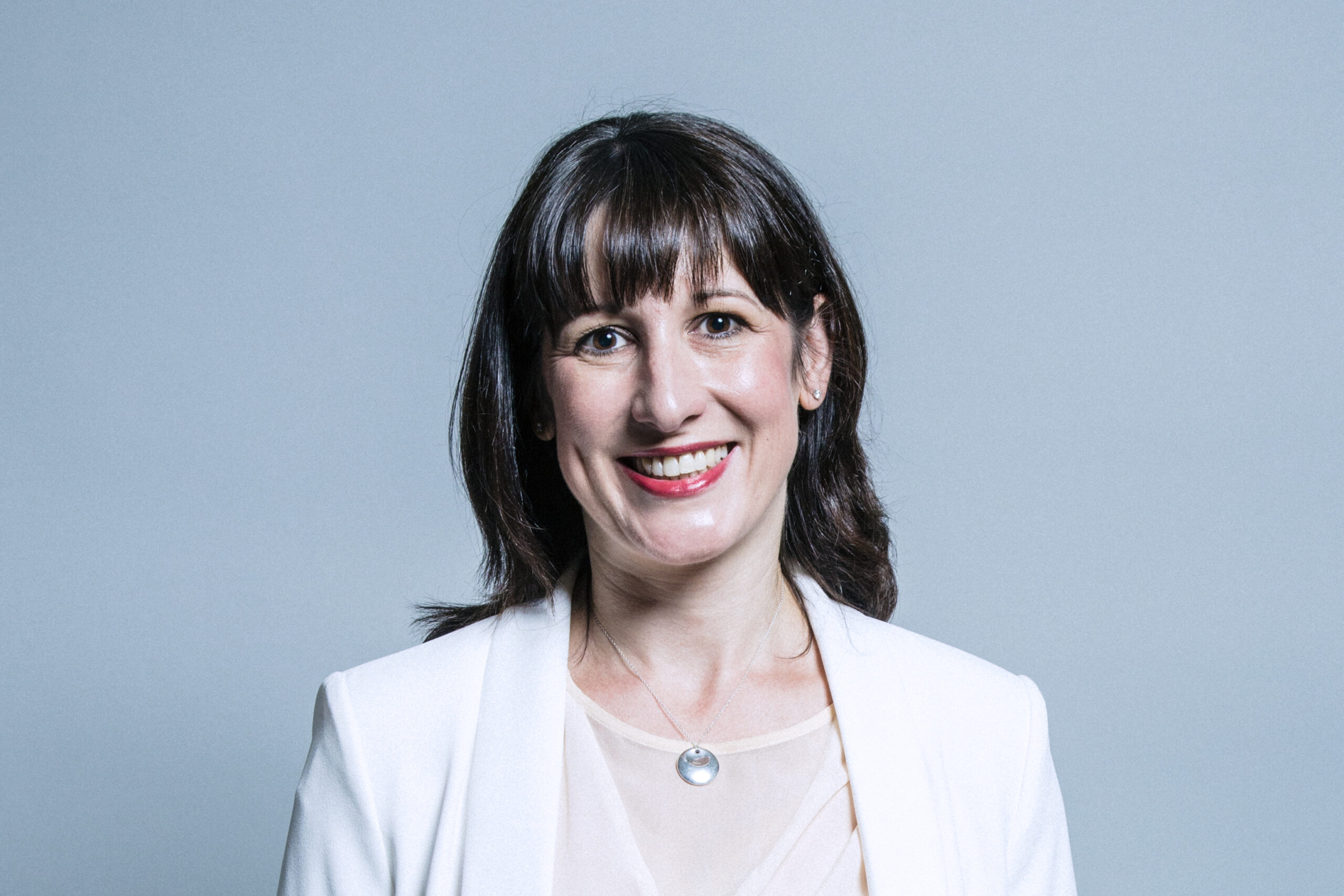
Pics Credit: Parliament UK
Britain’s economic outlook has been downgraded more sharply than any other G7 economy in the International Monetary Fund’s latest World Economic Outlook, intensifying political tensions between the government and the opposition over the state of the UK economy.
The IMF cut its UK growth forecast for 2026 from 1.3% to 0.8%, a 0.5 percentage point downgrade that marks the steepest revision among the world’s leading advanced economies. The Fund also warned that the UK is expected to experience higher inflation than most comparable nations this year, adding further pressure on household finances and economic policy.
The downgrade comes amid wider global uncertainty, with the IMF pointing to the economic fallout from the ongoing conflict in the Middle East as a key factor weighing on global growth projections. It said the world economy has so far proven resilient to multiple shocks, but warned that the latest escalation in geopolitical instability is testing that resilience.
The revision immediately triggered a political row in Westminster. Shadow Chancellor Sir Mel Stride said the downgrade represented a “clear verdict” on Chancellor Rachel Reeves’ economic strategy, accusing her of damaging business confidence through tax decisions made in her first budget.
Stride claimed that increases in national insurance had contributed to higher inflation and rising unemployment, arguing that the government was “hammering business relentlessly” and damaging growth prospects. He said international institutions were now viewing the UK as a “cautionary tale” for economic mismanagement.
Chancellor Rachel Reeves rejected the criticism, arguing that global instability, particularly the war in Iran is placing unavoidable pressure on the UK economy. She said the government would respond in a way that is both “responsive to a changing world and responsible in the national interest,” with a focus on keeping inflation and interest rates under control.
Reeves said Britain entered the current global crisis in a stronger position due to earlier policy decisions aimed at stabilising public finances. However, she acknowledged that the economic environment remains challenging, adding: “There is more to do.”
Her remarks highlighted the government’s focus on energy security, industrial support, and household protection as central pillars of its economic strategy. Ministers argue that strengthening domestic resilience will be essential to navigating global volatility and sustaining long-term growth.
The IMF’s downgrade reflects a broader trend across advanced economies, many of which have also seen growth forecasts revised downward due to geopolitical instability and weaker global demand. However, the sharper cut to the UK outlook has placed additional political scrutiny on the government’s fiscal and economic approach.
With inflation still elevated and growth expectations weakening, the dispute over economic policy is likely to remain a central battleground between the government and opposition in the months ahead, as both sides seek to frame responsibility for the country’s slowing economic momentum.