

Listeners:
Top listeners:
 play_arrow
 Cosoro Afrobeats UK's #1 Afrobeats Radio Station
 play_arrow
 Cosoro Pidgin Na we bi di #1 UK Pidgin Radio
 play_arrow
 Cosoro Evergreen UK's #1 Radio for Timeless African Sounds


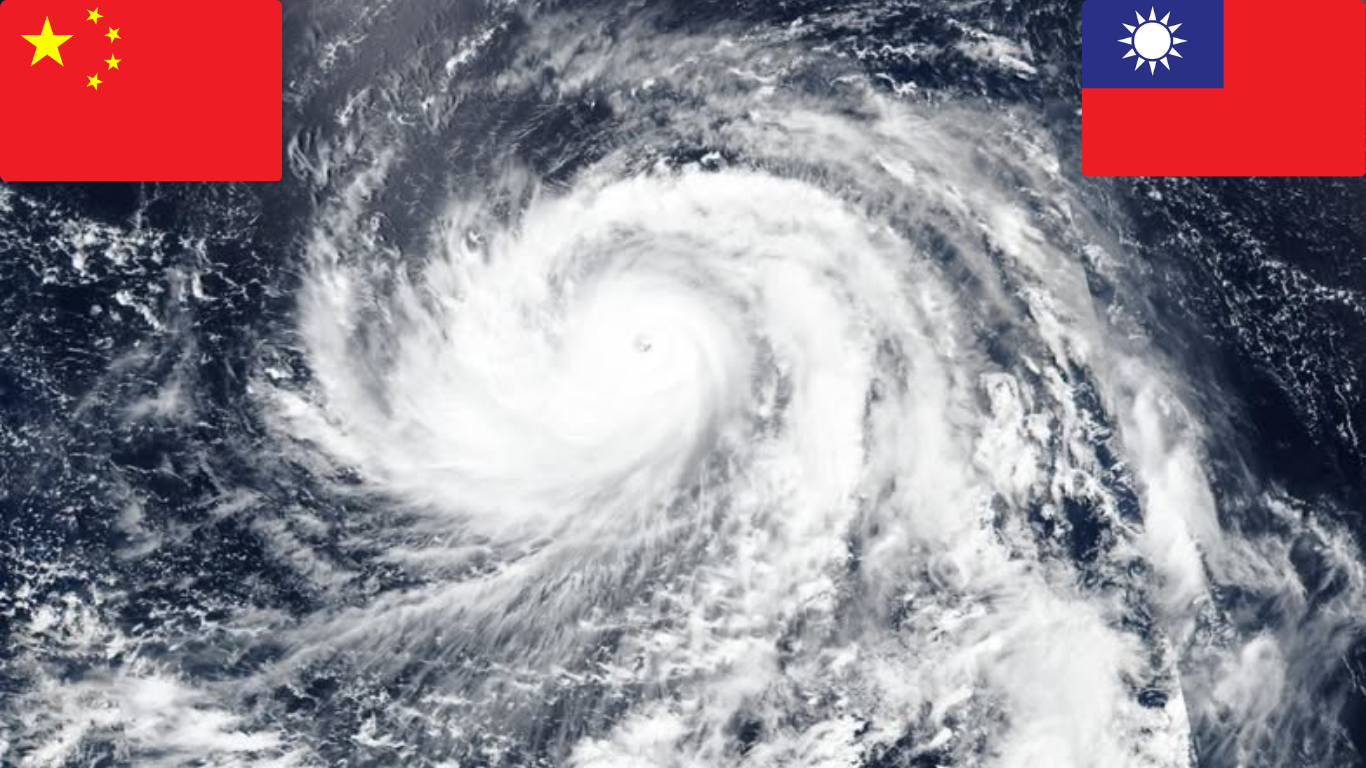
Taiwan and China are racing to prepare for the arrival of Typhoon Bavi, a powerful storm forecasters say could become one of the most destructive to threaten the region in years. Authorities have mobilised thousands of emergency personnel, suspended transport services and urged residents in vulnerable coastal communities to evacuate as the typhoon barrels toward Taiwan before an expected landfall along China’s southeastern coast. The preparations come as parts of China are still recovering from a series of deadly weather disasters that have already claimed dozens of lives this week.
According to meteorological agencies, Typhoon Bavi strengthened rapidly over the western Pacific, packing winds approaching 200 km/h while expanding to more than 1,000 kilometres in diameter. Taiwan has placed about 29,000 troops on standby for emergency rescue operations, while schools, ferry services and fishing activities have been suspended in several areas. Northern Taiwan could receive up to one metre of rainfall, increasing the risk of flooding and landslides, while Japan’s Okinawa islands are also under storm alerts. Chinese authorities have issued one of the country’s highest typhoon warnings as Fujian province prepares for a possible landfall later this week.
The urgency surrounding Bavi has been heightened by the devastation caused by recent severe weather across China. Earlier this week, Tropical Storm Maysak triggered catastrophic flooding in the Guangxi region, killing at least 39 people and leaving nine others missing after torrential rains caused reservoirs to overflow, damaged infrastructure and forced the evacuation of more than 130,000 residents. Rescue teams have spent days searching flooded communities and restoring essential services.
Elsewhere in central China’s Hubei province, two powerful tornadoes struck earlier this week, killing at least 11 people and causing widespread destruction. Homes were damaged, vehicles overturned and critical infrastructure affected as emergency responders worked to assist residents in the aftermath. The back-to-back disasters have placed additional pressure on Chinese authorities as they prepare for another potentially dangerous storm system.
Typhoon Bavi has already demonstrated its destructive potential. Before approaching Taiwan and China, the storm crossed parts of the Northern Mariana Islands as a Category 5 system, bringing catastrophic winds and widespread damage to several Pacific islands. Although Bavi is expected to weaken slightly before reaching East Asia, forecasters warn it remains capable of producing destructive winds, dangerous storm surges and life-threatening rainfall.
Scientists have repeatedly warned that warmer ocean temperatures linked to climate change are creating conditions that allow tropical cyclones to intensify more rapidly and retain their strength for longer periods. With China already dealing with the aftermath of deadly flooding and tornadoes, authorities hope early evacuations and extensive emergency preparations will reduce the human and economic impact of Typhoon Bavi when it reaches land.