
Listeners:
Top listeners:
 play_arrow
 Cosoro Afrobeats UK's #1 Afrobeats Radio Station
 play_arrow
 Cosoro Pidgin Na we bi di #1 UK Pidgin Radio
 play_arrow
 Cosoro Evergreen UK's #1 Radio for Timeless African Sounds


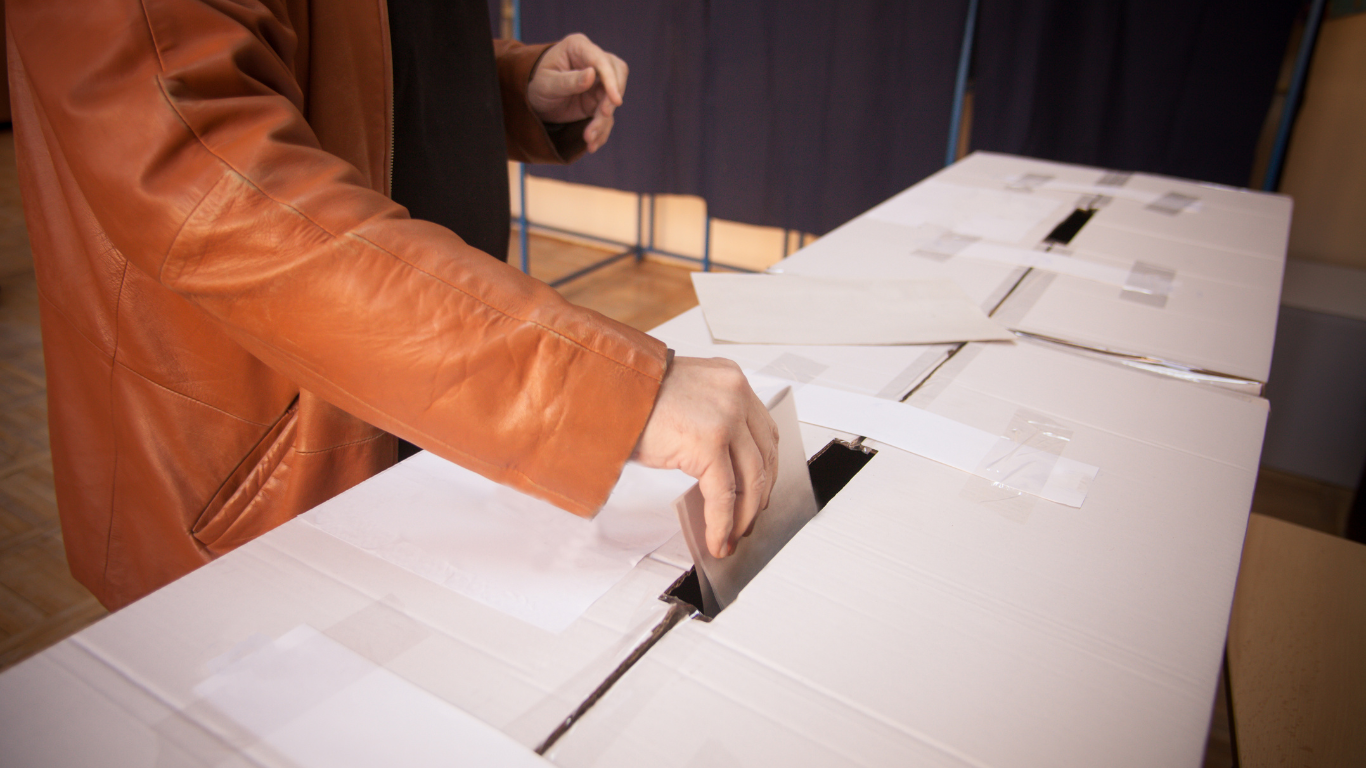
A new voting aid designed to improve accessibility for blind and partially sighted voters is being introduced across Scotland ahead of the upcoming Scottish Parliament election on 7 May.
The system, which replaces an older tactile device widely criticised for inaccuracy, aims to give visually impaired voters greater confidence and independence at the ballot box. Election officials say the new design ensures that votes are cast more accurately and in secret, addressing long-standing concerns raised by disability campaigners.
At the centre of the change is a newly developed cardboard overlay that is precisely cut to fit each ballot paper. Each voting box is aligned with the printed candidates, and the overlay includes braille markings and raised numbers to help voters identify their choices. Officials say this design reduces the risk of misalignment that previously left some voters uncertain whether their selections were correctly recorded.
The previous system used a plastic template with flaps placed over ballot papers. While it was intended to guide voters to the correct boxes, users reported that it often failed to align properly, creating uncertainty over whether votes were being cast accurately. There were also concerns about voter privacy, as the method could potentially reveal which section of the ballot had been used.
Ken Reid, who is blind and has voted in multiple elections, described the shortcomings of the old system. He said that while he had always participated in elections, he later realised that his votes may not have been accurately recorded due to misalignment issues. “My vote may not have been counted,” he said, highlighting concerns about both accuracy and secrecy in the previous method.
For Reid, the new system represents more than a technical upgrade. It is about restoring confidence in the democratic process and ensuring blind voters can participate on equal terms with others.
Inside Edinburgh City Chambers, a mock polling station has been set up to train staff ahead of election day, as officials prepare to implement the new system across polling stations. Alongside the physical overlays, voters will also have access to audio recordings of candidates on local council websites to further support independent decision-making.
Catriona Burness of RNIB Scotland welcomed the improvements, saying the new design offers a level of precision previously missing. She explained that unlike the old overlay, which relied on approximate alignment, the new version is tailored to match each ballot exactly, ensuring that voting boxes correspond directly with the voter’s markings.
The overlays will be produced specifically for each ballot format, meaning the system can adapt whether voters are choosing between a small number of candidates or a longer regional list.
Campaigners have described the rollout as a significant step forward for electoral accessibility, though officials acknowledge that its effectiveness will only be fully understood once it is used in a live election setting.