
Listeners:
Top listeners:
 play_arrow
 Cosoro Afrobeats UK's #1 Afrobeats Radio Station
 play_arrow
 Cosoro Pidgin Na we bi di #1 UK Pidgin Radio
 play_arrow
 Cosoro Evergreen UK's #1 Radio for Timeless African Sounds


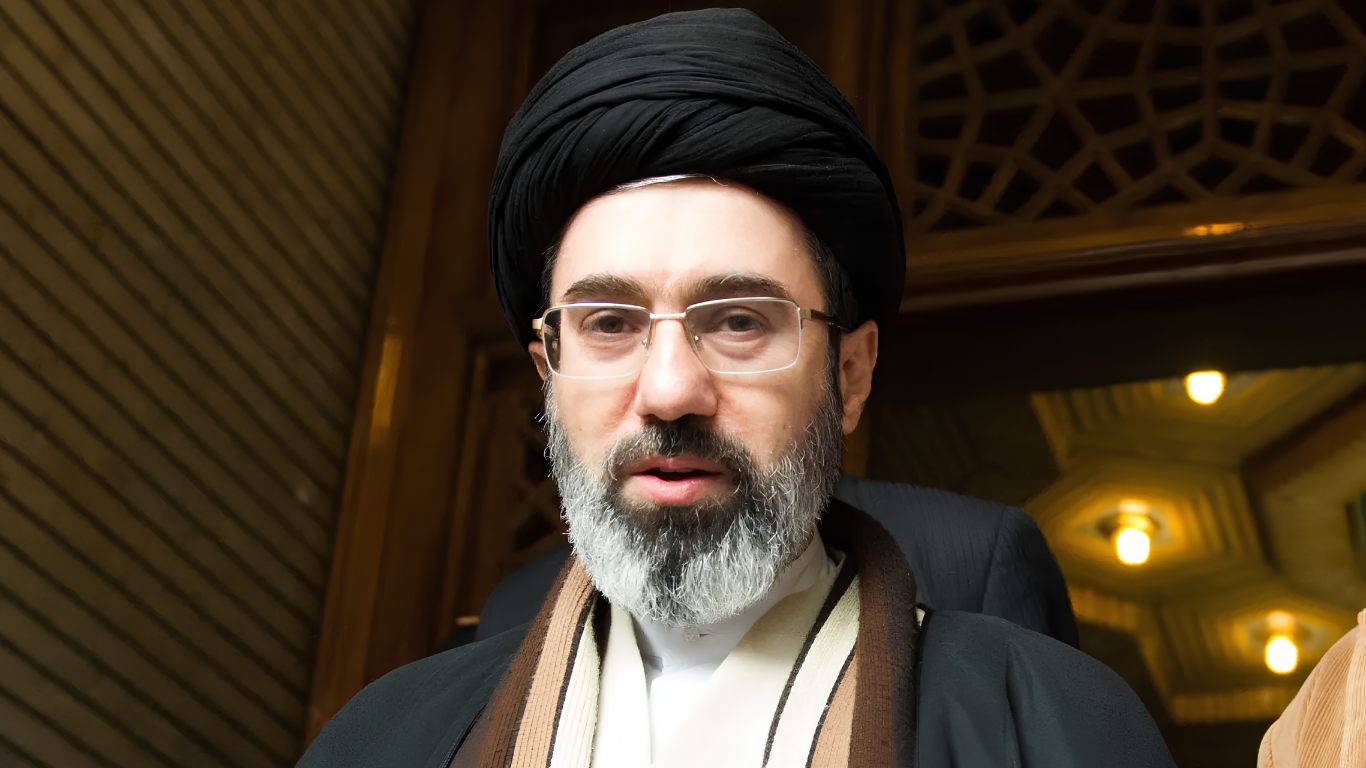
Iran’s Supreme Leader Mojtaba Khamenei has remained largely out of public view six months after becoming the country’s most powerful political figure, fuelling questions about his health, security and ability to lead Iran during one of the most serious crises in its modern history. Reuters reports that there has been no verified photograph, video or audio recording of him since the war began, despite Iranian officials insisting that he remains involved in major decisions.
Khamenei became supreme leader after his father, Ayatollah Ali Khamenei, was killed during the opening strikes of the conflict between Iran and a US-Israeli military campaign. Reuters previously reported that the younger Khamenei suffered severe facial and leg injuries in the same attacks. His appointment was also controversial, with sources saying Iran’s powerful Islamic Revolutionary Guard Corps played a major role in pushing his selection through despite reservations among some political and religious figures.
Since taking power, Mojtaba Khamenei has operated largely from the shadows. Iranian officials say his absence is primarily linked to security concerns and the injuries he sustained during the initial attacks. They maintain that he continues to make important decisions and remains firmly in control of the government. However, the lack of independently verifiable evidence of his activities has created uncertainty both inside and outside Iran.
His disappearance from public life comes as Iran faces enormous pressure. The six-month conflict has caused heavy casualties, damaged infrastructure and placed the country’s economy under severe strain. US sanctions and a naval blockade restricting Iranian oil exports have further weakened the economy, while inflation and public dissatisfaction have increased.
The leadership vacuum has also raised questions about the balance of power within Iran. The Revolutionary Guards and the Supreme National Security Council have helped maintain the state’s functioning during the crisis, but analysts say Khamenei’s continued absence could encourage rival factions to compete for influence and interpret his intentions differently.
Meanwhile, diplomatic efforts are beginning to focus on easing some of the consequences of the war. Qatar has been attempting to mediate between Iran and the United States, particularly over the reopening of the Strait of Hormuz, a vital global shipping route. Iran has indicated that it could consider restoring maritime traffic under certain conditions, while Washington continues to apply economic pressure.
For now, Iran’s government appears determined to project continuity despite the unusual secrecy surrounding its supreme leader. But as the conflict enters its seventh month, Mojtaba Khamenei’s prolonged absence has become more than a question of personal health or security.