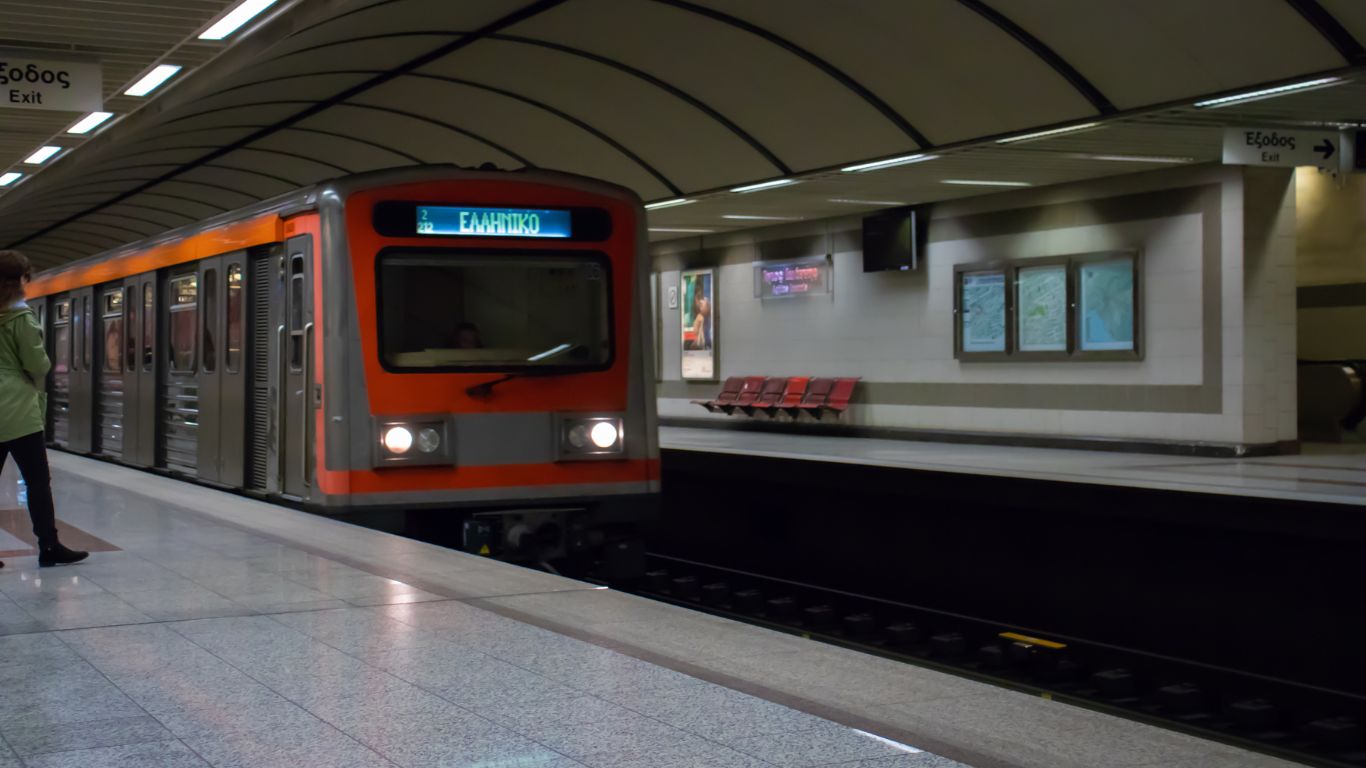
Commuters across London are facing severe travel disruption this week after planned strikes on the London Underground were confirmed to proceed following the collapse of last-minute negotiations between transport officials and union representatives.
The industrial action, organised by the Rail, Maritime and Transport union (RMT), will take place over two separate 24-hour periods beginning at midday on 19 May and again on 21 May. Transport authorities have warned that disruption is expected to continue into the following mornings and evenings, affecting millions of passengers across the capital.
The dispute centers on proposed changes to drivers’ working schedules, particularly plans for a compressed four-day working week introduced by Transport for London (TfL). While another union, ASLEF, has reportedly accepted the proposal, the RMT argues the changes could increase fatigue, reduce safety standards, and place additional pressure on workers.
TfL has warned passengers to prepare for widespread delays and reduced services across much of the Underground network. Some lines are expected to shut down completely during parts of the strike period, including the Circle and Piccadilly lines, while major sections of the Metropolitan and Central lines are also expected to face severe disruption. Other lines may continue operating limited services, though overcrowding and delays are anticipated throughout the network.
The timing of the strike is expected to create additional complications because it coincides with several major events in London, including the internationally renowned Chelsea Flower Show. Officials fear roads, buses, and alternative rail services could become heavily congested as visitors and commuters search for alternative ways to travel across the city.
Despite the disruption on the Underground, several transport systems are expected to continue operating normally. TfL confirmed that the Elizabeth Line, Docklands Light Railway (DLR), London Overground, trams, and bus services are not directly involved in the strike action. However, authorities have cautioned that these services are likely to experience significant overcrowding as passengers shift away from the Tube.
The latest strike action follows similar walkouts earlier in April and forms part of a broader series of planned industrial actions extending into June. The ongoing conflict has intensified debate over working conditions, staffing pressures, and the future of public transport operations in the British capital.
Transport officials expressed disappointment that negotiations failed to prevent the strikes, insisting the proposed scheduling changes are voluntary and designed to improve work-life balance for drivers. Union leaders, however, accuse TfL of failing to engage meaningfully with workers’ concerns and say industrial action became necessary after talks stalled.
Passengers are now being advised to avoid unnecessary travel where possible, allow extra journey time, and regularly check live service updates throughout the strike period. With large sections of London’s transport network expected to come under pressure, the coming days could bring some of the city’s most significant commuter disruption of the year.


 play_arrow
  play_arrow
  play_arrow