
Listeners:
Top listeners:
 play_arrow
Cosoro Afrobeats UK's #1 Afrobeats Radio Station
 play_arrow
Cosoro Pidgin Na we bi di #1 UK Pidgin Radio
 play_arrow
Cosoro Evergreen UK's #1 Radio for Timeless African Sounds


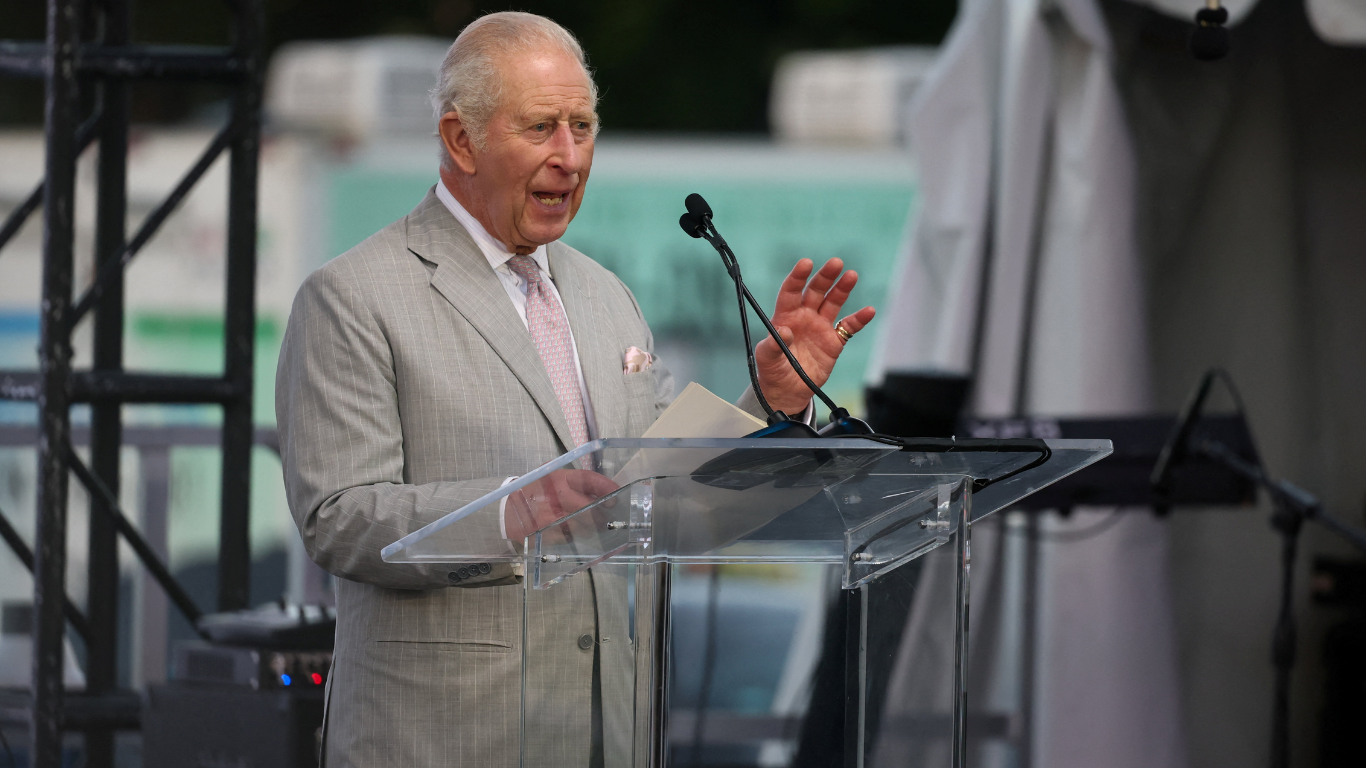
Image Credit: REUTERS
King Charles III has arrived in the Bahamas amid renewed demands for Britain to apologise for its role in the transatlantic slave trade and pay reparations to Caribbean nations. Protesters used the monarch’s visit to deliver a direct message to Britain: “Pay us what you owe us,” highlighting growing calls for accountability over centuries of slavery and colonial rule.
The visit, which began on October 27, 2026, is part of a nine-day Caribbean tour ahead of the Commonwealth Heads of Government Meeting in Antigua and Barbuda. It marks Charles’ first official visit to the Bahamas as king. The country gained independence from Britain in 1973, following centuries of colonial rule.
During an event in Nassau, Charles acknowledged the suffering and injustices experienced by enslaved people and their descendants. He recognised the importance of confronting painful chapters of history, but stopped short of issuing a formal apology or announcing reparations. His remarks have renewed debate over whether acknowledging past wrongdoing is enough without concrete measures to address its consequences.
Reparations campaigners argue that the wealth generated through slavery came at an enormous human cost and contributed to inequalities that continue to affect Caribbean societies. Their demands include financial compensation, investment in education and development, and the return of cultural artefacts taken during colonial rule. Britain has consistently resisted calls for formal apologies and financial reparations.
The issue is expected to feature in discussions at the upcoming Commonwealth summit, where Caribbean leaders are pushing for greater recognition of slavery’s legacy. The meeting will bring together representatives from 56 countries, many of which experienced British colonial rule. Reparations advocates see the gathering as an opportunity to place historical justice more firmly on the international agenda.
Charles is scheduled to continue his tour in Guyana before travelling to Antigua and Barbuda for the summit. While the British monarchy has emphasised acknowledging historical injustices and building stronger relationships with Caribbean nations, campaigners insist that words must be followed by meaningful action. His visit has once again exposed the tensions between Britain’s colonial past and growing demands for accountability across the Caribbean.