
Listeners:
Top listeners:
 play_arrow
 Cosoro Afrobeats UK's #1 Afrobeats Radio Station
 play_arrow
 Cosoro Pidgin Na we bi di #1 UK Pidgin Radio
 play_arrow
 Cosoro Evergreen UK's #1 Radio for Timeless African Sounds


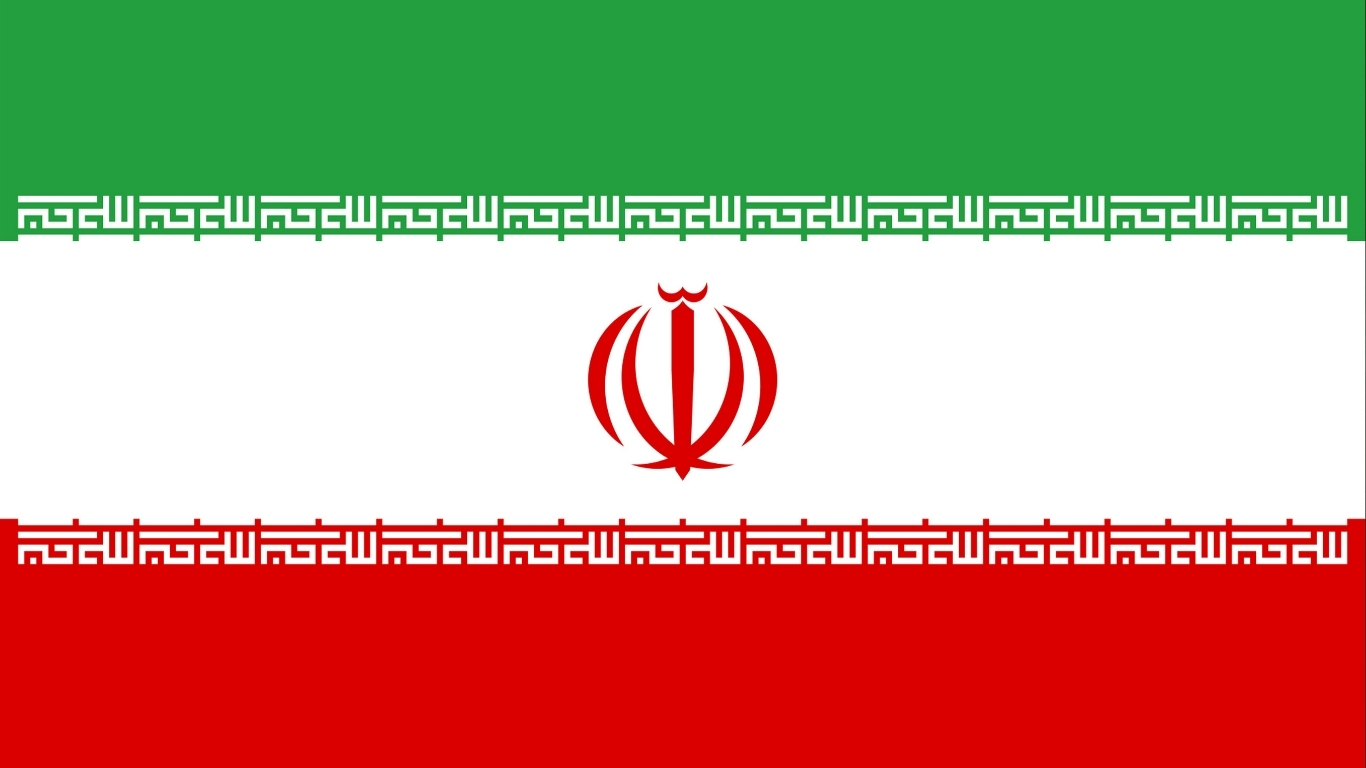
Iran has raised the price of petrol for its heaviest consumers, introducing another difficult measure as the country struggles with the economic fallout from months of war, sanctions and rising inflation. The new price applies to motorists who use more than 110 litres of petrol a month. Their additional fuel allowance will now cost 100,000 Iranian rials per litre, roughly double the previous rate. The first 110 litres remain available at subsidised prices.
The government says the measure is intended to reduce excessive fuel consumption and ease pressure on state finances. Petrol remains among the cheapest in the world in Iran, but demand has risen sharply, recently reaching about 145 million litres a day, above domestic production capacity and forcing the country to rely on imports.
The increase comes as Iranian households face severe economic pressure. Inflation is running at extremely high levels, while the rial has lost significant value, reducing purchasing power and making basic goods increasingly expensive. The wider crisis has been worsened by the continuing conflict and US sanctions, which have restricted Iran’s access to foreign revenue and international markets.
Fuel prices are particularly sensitive in Iran because previous increases have triggered public anger. A 2019 petrol price hike led to nationwide protests and a government crackdown in which more than 300 people were reportedly killed. Officials have therefore moved cautiously, limiting the latest increase to high-volume users rather than raising the price for everyone.
The government has also promised that the additional revenue generated from the increase will be redirected towards households. But there are concerns that higher transport and fuel costs could eventually feed into the prices of food and other essential goods, placing further pressure on already struggling families.
The move highlights the difficult choices facing Tehran. While keeping petrol heavily subsidised protects consumers from even higher living costs, it also places a growing burden on government finances and encourages excessive consumption. Raising prices, meanwhile, risks worsening inflation and reviving memories of earlier protests.
With the economy already under strain from conflict, sanctions and dwindling purchasing power, the latest petrol increase is likely to become another test of how much pressure Iranian households can absorb without triggering a broader social backlash.