
Listeners:
Top listeners:
 play_arrow
 Cosoro Afrobeats UK's No.1 Afrobeats Radio Station
 play_arrow
 Cosoro Pidgin Na we bi di No.1 UK Pidgin Radio
 play_arrow
 Cosoro Evergreen UK's No.1 Radio for Timeless African Sounds


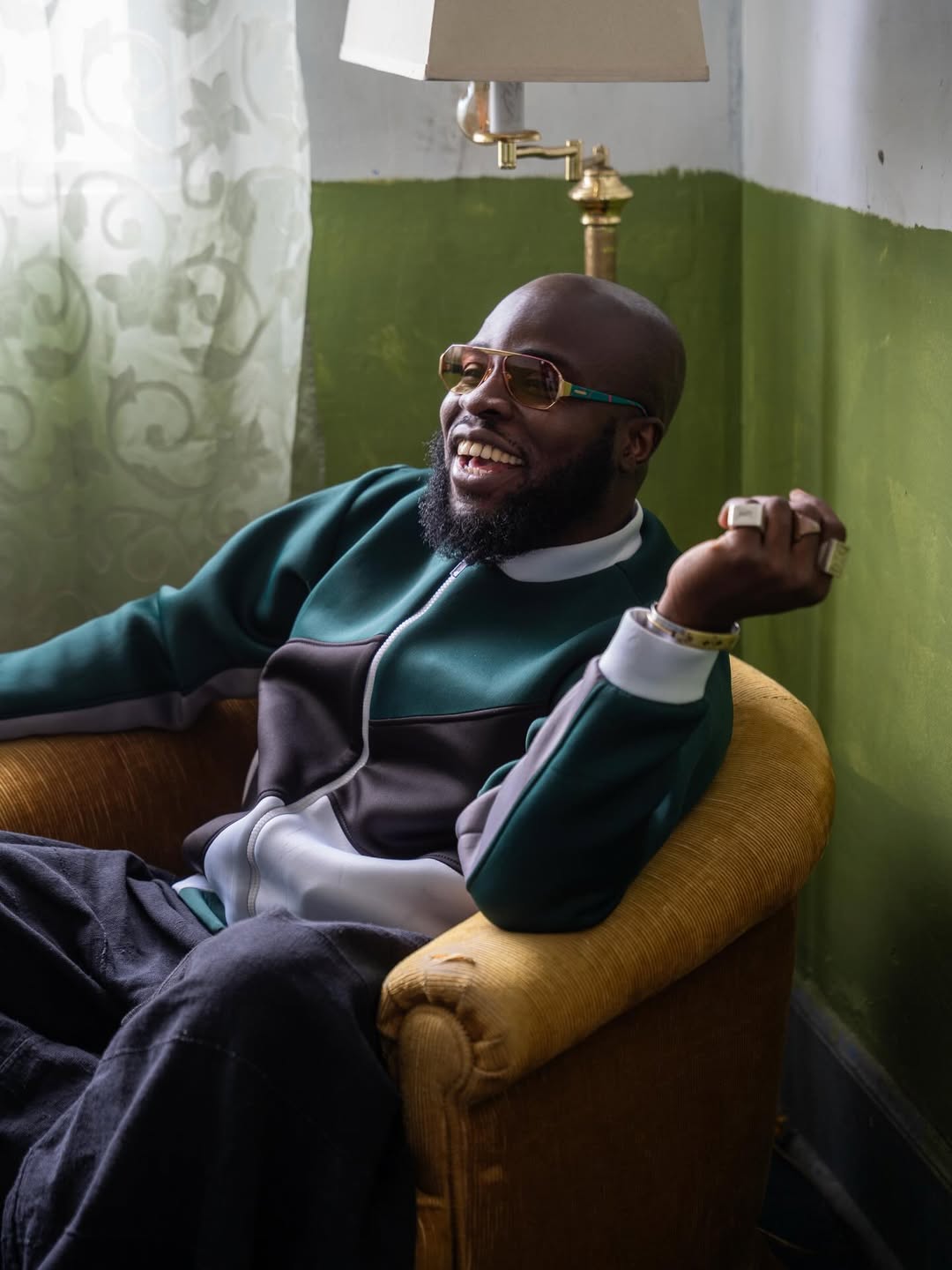
Ghanaian artist M.anifest has stunned fans and industry watchers alike by revealing that, despite a celebrated career spanning over a decade, he has never received a single Ghanaian cedi in royalties from his music at home, a revelation that shines a bright light on systemic issues within Ghana’s creative economy.
Kwame Ametepe Tsikata, professionally known as M.anifest, is widely regarded as one of Ghana’s most influential rappers and songwriters, known for his incisive lyrics and international collaborations. His influence in shaping contemporary Ghanaian hip-hop and elevating the country’s music on the global stage has been widely acknowledged by critics and fans alike. But underneath the accolades lies a less celebrated truth: despite the popularity of his art, he says the domestic royalty infrastructure has failed him.
At a recent seminar themed “Protecting What You Create,” M.anifest delivered a blunt assessment of Ghana’s creative sector, candidly stating that in all his years as a professional artist, he has never received royalties paid within Ghana for the use of his music. His comments were shared online recently and have quickly sparked conversation across the nation’s entertainment and cultural circles. He described the country’s creative industries as “broken” and lacking the necessary infrastructure to properly support creators, especially when it comes to tracking usage and distributing earnings.
For many artists, royalties payments due when their music is played on radio, on television, in public settings, or streamed are a crucial part of long-term financial sustainability. That’s why M.anifest’s statement resonated so strongly: he pointed out that unlike some international systems where songwriters and performers can earn income long after a song’s release, Ghana’s mechanisms simply aren’t functioning in a way that benefits creators at home.
M.anifest’s experience is, unfortunately, not unique. Across West Africa and many parts of the continent, artists often report struggles with copyright enforcement, inadequate digital tracking, and poor royalty collection mechanisms. Some musicians find they must rely on international societies, such as organizations in the United States or Europe to collect any royalty income at all, because foreign systems are more structured and enforceable.
Despite the challenges, M.anifest’s message isn’t one of despair but of resilience and encouragement. He urged fellow creatives to embrace technology, build direct relationships with audiences, and push for an overhaul of local systems in order to claim the value of their work. His remarks have reignited debate around intellectual property rights in Ghana and sparked renewed calls for reform of collective management organizations, broadcasters, and digital platforms to ensure artists get what they’re owed.
As Ghana continues to grow its cultural exports and cement its position on the global music map, the conversation around royalties — and how artists are paid fairly for their contributions remains more relevant than ever. M.anifest’s words serve as a powerful reminder that while talent can transcend borders, the structures that support that talent must also evolve at home.