

Listeners:
Top listeners:
 play_arrow
 Cosoro Afrobeats UK's #1 Afrobeats Radio Station
 play_arrow
 Cosoro Pidgin Na we bi di #1 UK Pidgin Radio
 play_arrow
 Cosoro Evergreen UK's #1 Radio for Timeless African Sounds


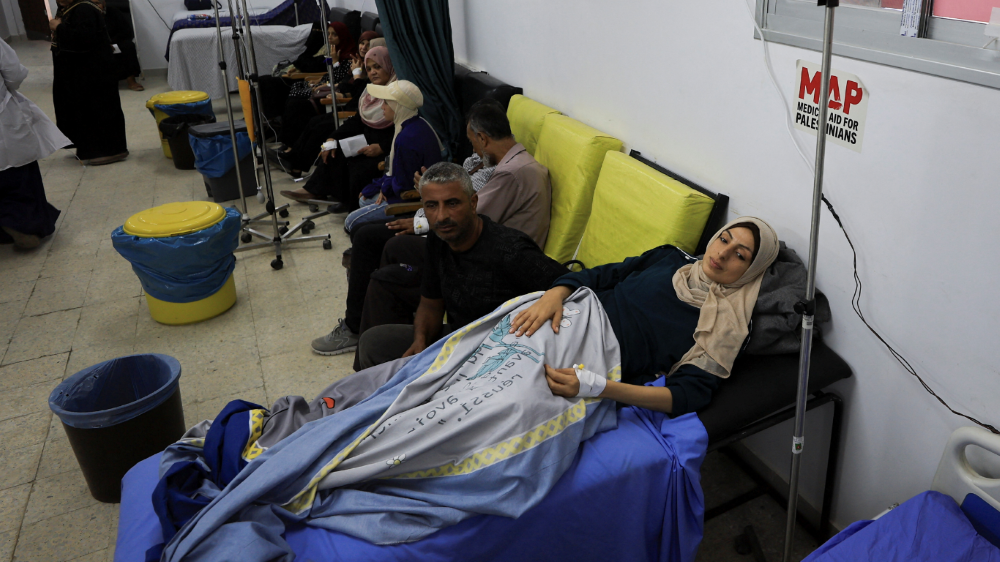
Cancer patients in Gaza are dying at two to three times the rate recorded before the war, according to doctors interviewed by Reuters, as the destruction of specialised medical facilities and restrictions on medical evacuations leave thousands without access to essential treatment. The crisis has made cancer care one of the most severe casualties of the collapse of Gaza’s health system.
At the centre of the crisis is the destruction of the Turkish-Palestinian Friendship Hospital, Gaza’s only specialised cancer hospital. The facility was destroyed in March 2025 after Israeli forces said it had been used to conceal a Hamas tunnel. Its loss removed a critical source of oncology treatment for patients who had previously relied on the hospital for chemotherapy and other specialised care.
Doctors now estimate that around 17,000 cancer patients in Gaza are without adequate local treatment options. With hospitals across the territory severely damaged and shortages affecting medicines, equipment and specialist staff, patients are increasingly dependent on treatment outside Gaza.
But leaving Gaza for medical care has become extremely difficult. Israel controls key crossings and patients requiring specialised treatment must undergo security and movement procedures before they can be evacuated. Reuters reports that only a fraction of patients have been allowed to leave through Egypt, while about 20,000 people are still waiting for approval for medical evacuation. Israel’s military coordination body, COGAT, says evacuations depend on requests from receiving countries as well as required security screening.
The World Health Organization has previously documented the difficulties Gaza patients face when seeking treatment outside the territory, including delays in obtaining permits and problems reaching hospitals for scheduled appointments. Cancer patients have historically represented a significant proportion of Gaza’s requests for medical access outside the territory.
The destruction of healthcare infrastructure has compounded the problem. The WHO has warned that hospitals in Gaza have been forced out of service while shortages of medicines, medical supplies and functioning facilities have severely restricted access to care. In 2025, WHO supported the evacuation of 2,718 seriously ill and injured patients from Gaza for specialised treatment abroad, but the organisation has repeatedly stressed the need for patients who remain in Gaza to have access to the treatment they require.
For cancer patients, delays can be particularly dangerous. Treatment often requires regular chemotherapy, radiotherapy, surgery, medication and specialist monitoring. Interruptions can allow diseases to progress while also limiting doctors’ ability to manage complications.
Reuters reported the case of 33-year-old Khuloud Abu Sahmoud, a displaced cancer patient whose condition has deteriorated as she struggles to access treatment. Her situation illustrates the human consequences of a healthcare system that can no longer reliably provide specialised cancer services.
Doctors have also raised concerns about the possible long-term health effects of the conflict, including whether exposure to toxic residues from weapons could contribute to increased cancer risks. Such claims require further scientific investigation, and they remain separate from the more immediate problem of patients with existing cancer being unable to obtain treatment.
The crisis is therefore not simply about the number of functioning hospitals. It is also about whether patients can physically reach the places where treatment is available.