
Listeners:
Top listeners:
 play_arrow
 Cosoro Afrobeats UK's #1 Afrobeats Radio Station
 play_arrow
 Cosoro Pidgin Na we bi di #1 UK Pidgin Radio
 play_arrow
 Cosoro Evergreen UK's #1 Radio for Timeless African Sounds


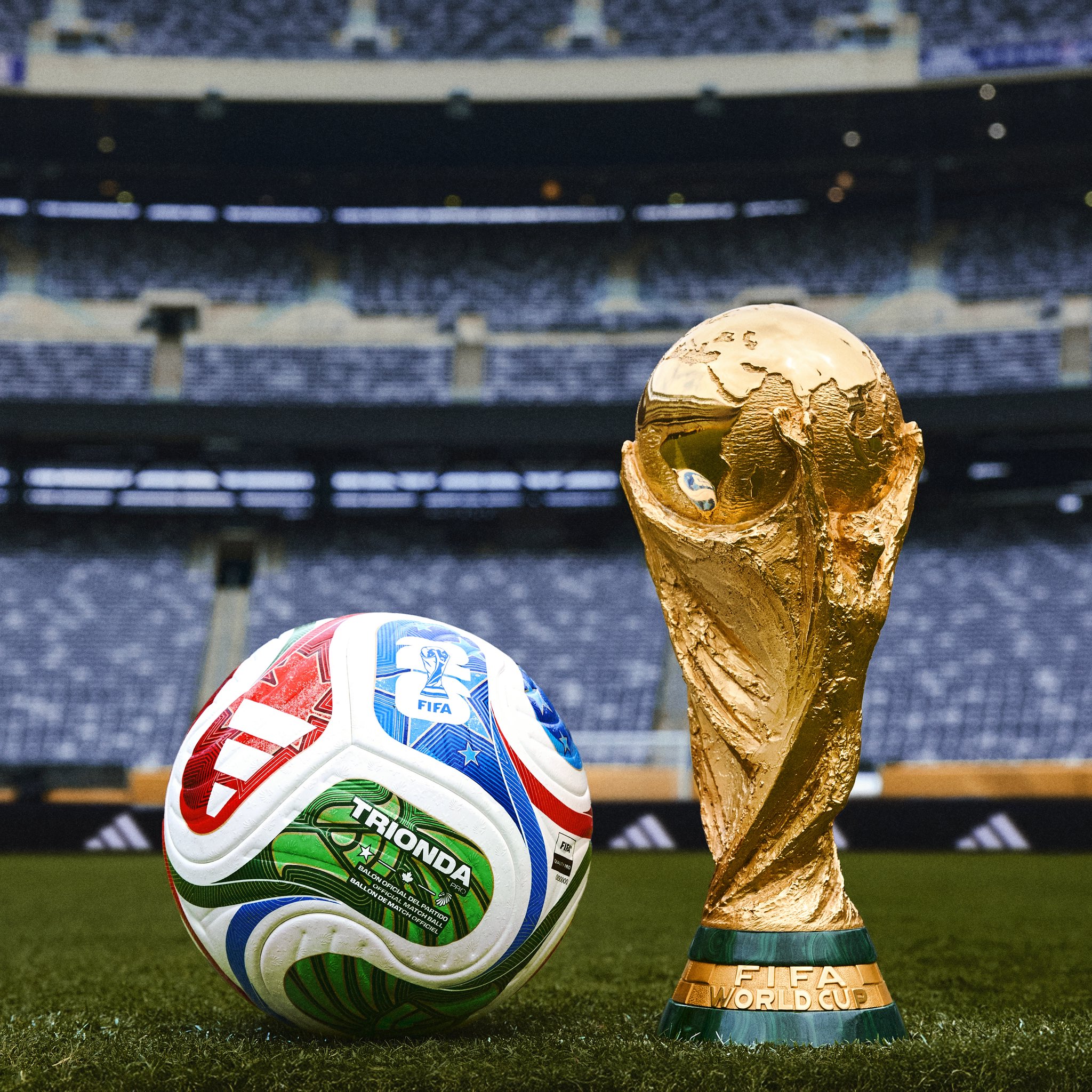
The build-up to the 2026 FIFA World Cup has taken a dramatic geopolitical turn, as football’s governing body insists that Iran will participate in the tournament despite escalating tensions linked to the ongoing conflict involving the United States and its allies. At the centre of the debate is a firm stance from Gianni Infantino, who has repeatedly emphasized that football must remain separate from politics.
Infantino made it clear that Iran’s place in the tournament is secure as long as they qualify, stressing that the team “has to come” and that the World Cup should serve as a platform for unity rather than division. This position reflects FIFA’s long-standing principle of neutrality, even as global tensions threaten to spill into the sporting arena. Iran, which has already secured qualification, is scheduled to play its group-stage matches in the United States; one of the host nations, despite earlier concerns over safety and diplomatic friction.
However, that clarity has been challenged by political intervention. A senior envoy linked to Donald Trump has sparked controversy by proposing that Iran be replaced by Italy at the World Cup. The suggestion, reportedly made by U.S. special envoy Paolo Zampolli, argues that Italy’s pedigree as four-time world champions justifies their inclusion despite failing to qualify.
The proposal is widely seen as more than a sporting decision. It is tied to broader geopolitical tensions, including strained relations between the United States and Iran amid ongoing conflict in the Middle East. Reports indicate that the suggestion may also be linked to diplomatic efforts to repair relations between Trump and Italy’s leadership, highlighting how football is being drawn into a much larger political narrative.
The backdrop to all this is a complex and volatile situation. The conflict involving Iran has escalated in recent months, with military actions and political hostilities intensifying tensions between Tehran and Washington. This has raised questions about security, travel, and whether Iranian players would even be able or willing to compete on U.S. soil. Despite these concerns, Iranian officials have maintained their intention to participate, insisting that the team is preparing as normal for the tournament.
FIFA, for its part, has shown little willingness to entertain changes. Under tournament rules, a qualified team can only be replaced under exceptional circumstances, such as withdrawal, and any replacement would typically come from the same confederation, not an unrelated European side like Italy. This makes the envoy’s proposal highly unlikely from a regulatory standpoint, even as it continues to fuel debate.
Ultimately, the situation highlights a familiar tension between sport and politics. While external pressures continue to mount, FIFA’s leadership remains adamant that the integrity of the competition must be preserved. For now, Iran remains firmly in the World Cup picture, and unless circumstances dramatically change, they will take their place on football’s biggest stage, war or not.