

Listeners:
Top listeners:
 play_arrow
 Cosoro Afrobeats UK's #1 Afrobeats Radio Station
 play_arrow
 Cosoro Pidgin Na we bi di #1 UK Pidgin Radio
 play_arrow
 Cosoro Evergreen UK's #1 Radio for Timeless African Sounds


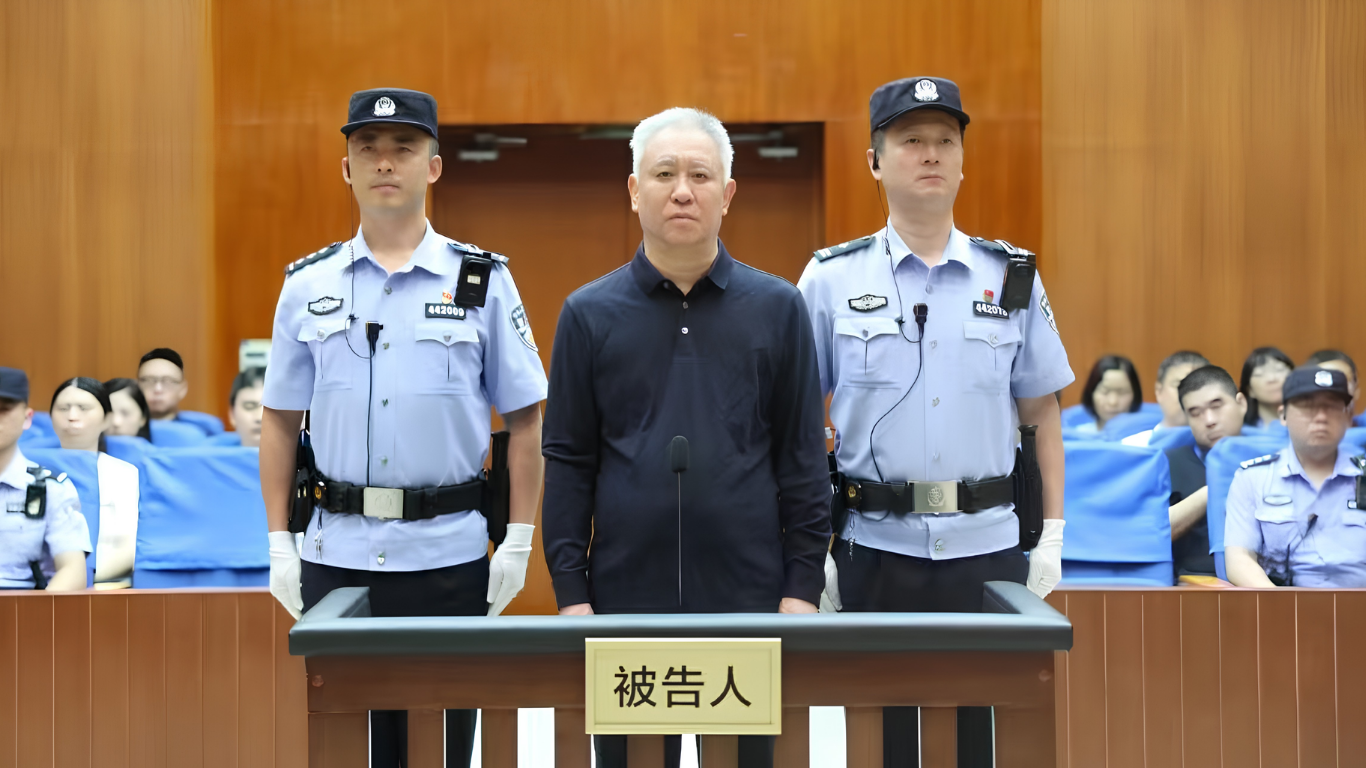
Hui Ka Yan, the founder of China Evergrande, has been sentenced to life in prison after pleading guilty to financial crimes including misuse of funds, fundraising fraud and bribery. A Shenzhen court also ordered the confiscation of his personal property, marking a dramatic fall for the businessman who was once one of Asia’s wealthiest people.
Hui founded Evergrande in 1996 and built it into China’s largest property developer through an aggressive expansion strategy heavily reliant on borrowing. At its peak, the company had a stock market valuation of more than $50 billion, while Hui’s personal fortune was estimated at more than $45 billion.
Evergrande’s fortunes changed after Beijing introduced measures in 2020 aimed at controlling excessive borrowing across the property sector. As the company struggled to meet its debt obligations, it sold properties at deep discounts and eventually defaulted in 2021. The collapse left thousands of homes unfinished and created heavy losses for homebuyers, investors, banks and suppliers.
The court also imposed huge fines on Evergrande and companies linked to it, while several former executives received prison sentences ranging from months to 18 years. The court said the offences had seriously disrupted China’s property market and caused significant economic losses.
Hui had already faced punishment from Chinese regulators. In 2024, he was fined millions of dollars and banned from China’s capital markets for life after regulators found that Evergrande had overstated its revenue by billions of dollars.
The company’s collapse became a major symbol of China’s wider property crisis. Evergrande was eventually ordered into liquidation, while its shares were removed from the Hong Kong Stock Exchange in 2025 after more than a decade of trading.
The impact of the collapse has extended far beyond Evergrande itself. China’s property sector has traditionally been a major driver of economic growth and an important source of revenue for local governments. Problems among major developers have therefore contributed to weaker consumer confidence, falling property demand and broader economic pressure.