
Listeners:
Top listeners:
 play_arrow
 Cosoro Afrobeats UK's #1 Afrobeats Radio Station
 play_arrow
 Cosoro Pidgin Na we bi di #1 UK Pidgin Radio
 play_arrow
 Cosoro Evergreen UK's #1 Radio for Timeless African Sounds


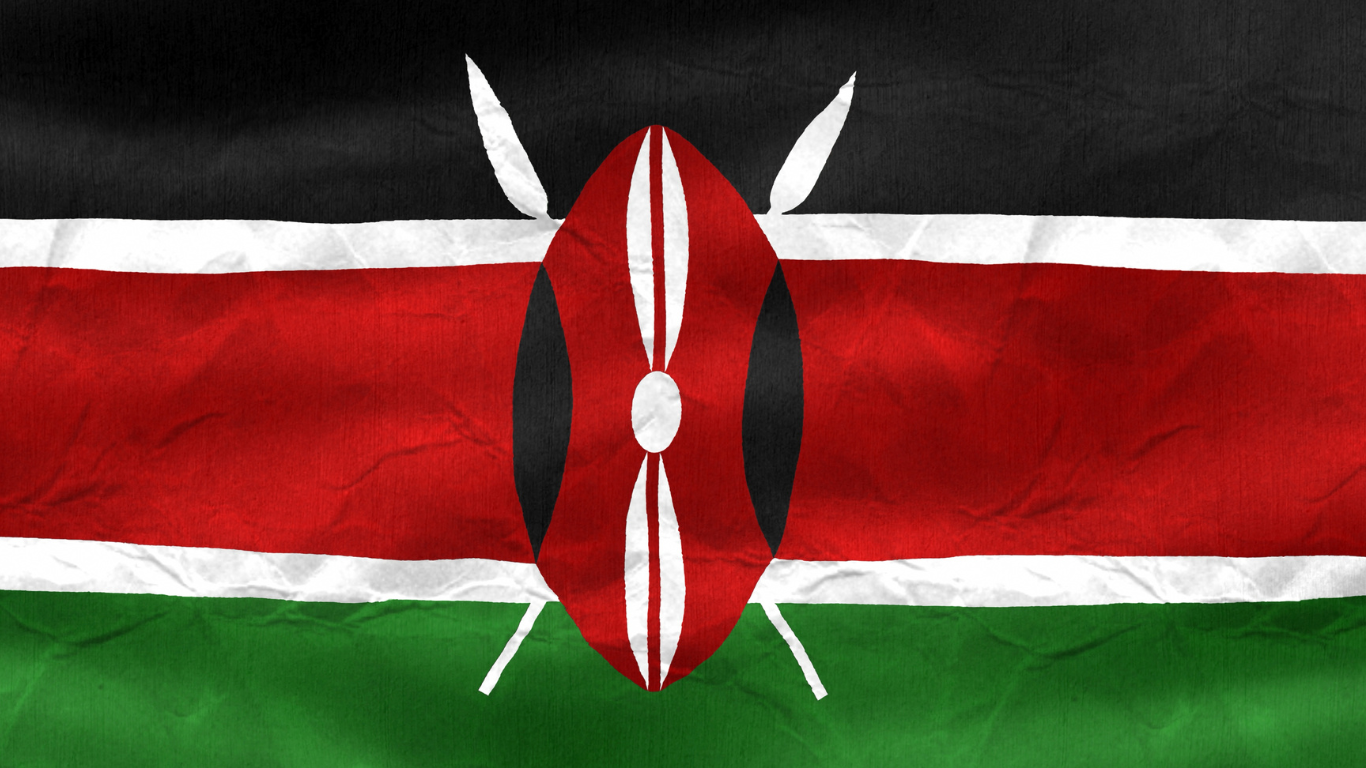
Kenya has confirmed its first case of Ebola after a Kenyan citizen who had been living in the Democratic Republic of Congo for seven years died in Nairobi. Health Minister Aden Duale said the patient had travelled from the DRC through Uganda before flying to Kenya on October 3 and later tested positive for the Bundibugyo strain of the virus.
The patient had reportedly been ill for about a month and received treatment at several hospitals in the DRC before travelling to Kampala by road and then taking a flight to Nairobi. After arriving in Kenya, the person was initially screened at the airport and taken by a relative to a hospital. Doctors later suspected Ebola because of the patient’s symptoms and travel history before laboratory testing confirmed the infection.
Kenyan authorities have identified 28 contacts, including family members and healthcare workers, while tracing another 23 passengers and four crew members who were on the same flight. Contacts are being monitored as health officials work to determine whether there was any secondary transmission after the patient arrived in Kenya.
The case comes as the DRC continues to face the largest Ebola outbreak in its history. Current international health data show more than 8,400 confirmed cases and over 4,000 deaths in the DRC, making the outbreak the second-largest Ebola outbreak ever recorded. Uganda, which was also affected after the virus crossed its border from the DRC, has reported no active cases since July.
The outbreak is being caused by Bundibugyo virus, a relatively rare Ebola species first identified during an outbreak in western Uganda in 2007. Unlike the Zaire species responsible for earlier major Ebola outbreaks, there is currently no licensed vaccine or approved treatment specifically targeting Bundibugyo virus, although clinical trials and research into vaccines and treatments are underway.
Kenya had already increased preparedness along its borders before the imported case was confirmed. In September, health authorities and international partners trained health workers and border stakeholders at key crossings with Uganda, including Busia and Malaba, as part of preparations for a possible cross-border spread.
The World Health Organization declared the wider Bundibugyo outbreak a public health emergency of international concern in May because of its rapid spread and cross-border transmission. Ebola spreads primarily through direct contact with the blood or other bodily fluids of infected people or people who have died from the disease, making early detection, contact tracing and safe burial practices critical to preventing further transmission.
Kenyan authorities have urged the public to remain calm while maintaining heightened surveillance and response measures. The immediate priority is to monitor identified contacts, trace potentially exposed travellers and determine whether the imported case has resulted in any further infections.