

Listeners:
Top listeners:
 play_arrow
 Cosoro Afrobeats UK's #1 Afrobeats Radio Station
 play_arrow
 Cosoro Pidgin Na we bi di #1 UK Pidgin Radio
 play_arrow
 Cosoro Evergreen UK's #1 Radio for Timeless African Sounds


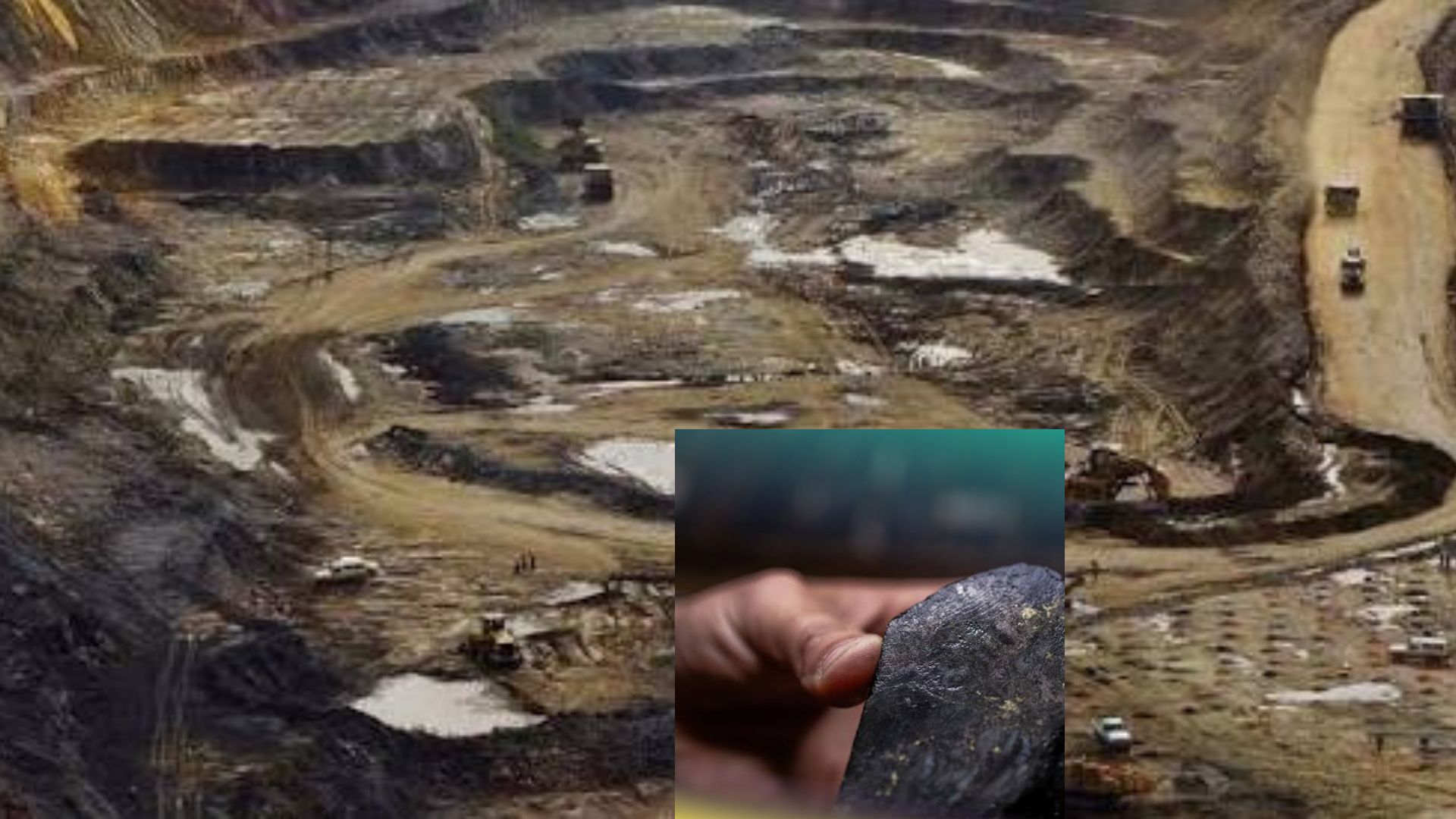
The Democratic Republic of Congo (DRC) has imposed an immediate ban on the export of copper and cobalt concentrates, marking a significant step in the government’s drive to expand domestic mineral processing and capture more value from the country’s vast natural resources. The decision forms part of a broader strategy to increase mining revenues and reduce reliance on exporting unprocessed minerals.
The directive, signed by Mines Minister Louis Kabamba Watum, Foreign Trade Minister Julien Paluku Kahongya, and Economy Minister Daniel Mukoko Samba, prohibits the export of copper and cobalt concentrates with immediate effect. The order also introduces a new tax regime for economically significant mining by-products, although companies will be given a three-month transition period to comply with the new tax rules. The mines minister retains the authority to grant one-year export waivers in cases considered strategically important.
The DRC is the world’s largest producer of cobalt and the second largest supplier of copper, making the move one with potentially significant implications for global supply chains. Major mining companies operating in the country including China’s CMOC, Glencore, Huayou Cobalt, Zijin Mining, Ivanhoe Mines, and Eurasian Resources Group will all be affected by the new policy.
Government officials say the export ban is intended to encourage investment in local smelting and refining facilities, creating more jobs and ensuring that a greater share of the mining industry’s profits remains within the country. The policy reflects a growing trend among resource rich nations seeking to process raw materials domestically rather than exporting them in semi processed form. The announcement follows a series of reforms aimed at tightening oversight of the mining sector. Earlier this year, President Félix Tshisekedi ordered an investigation into copper and cobalt export revenues amid concerns over governance, transparency and lost state income. The latest export restrictions are seen as another step in the government’s effort to strengthen control over one of the country’s most valuable industries.
Analysts say the ban could temporarily disrupt international supplies of copper and cobalt concentrates, both of which are essential for the production of electric vehicle batteries, renewable energy technologies and electronic devices. While the long term objective is to develop domestic processing capacity and increase government revenue, mining companies may face short term operational and logistical challenges as they adjust to the new regulations.