

Listeners:
Top listeners:
 play_arrow
 Cosoro Afrobeats UK's #1 Afrobeats Radio Station
 play_arrow
 Cosoro Pidgin Na we bi di #1 UK Pidgin Radio
 play_arrow
 Cosoro Evergreen UK's #1 Radio for Timeless African Sounds


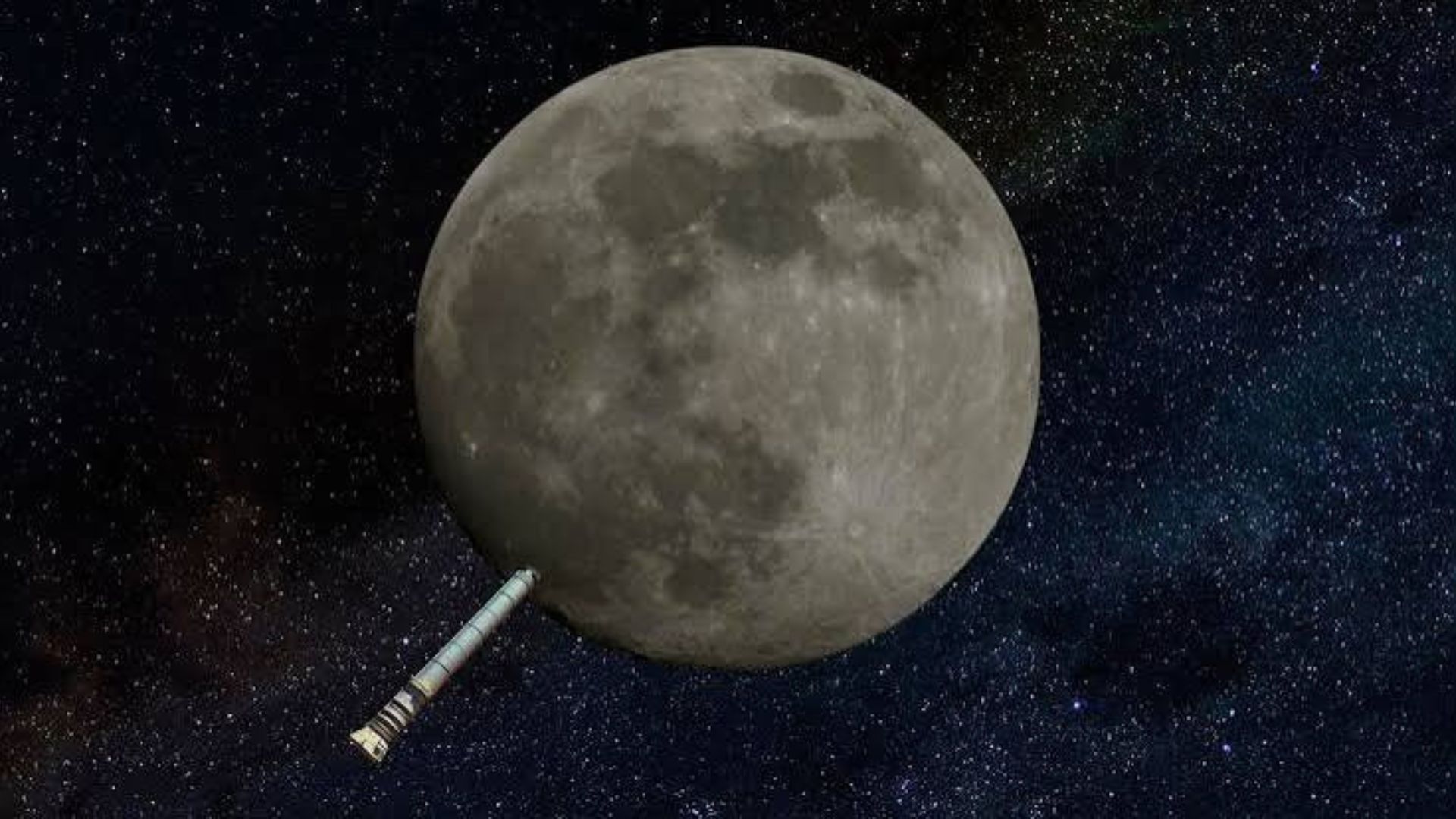
A discarded SpaceX Falcon 9 rocket stage has crashed into the Moon in a rare uncontrolled impact that scientists say will provide valuable insights into lunar geology while highlighting the growing challenge of managing space debris beyond Earth’s orbit. The rocket, launched in January 2025 to carry commercial lunar landers, struck the Moon after spending more than a year drifting through space.
The upper stage impacted the lunar surface near Einstein Crater on the Moon’s far western side at an estimated speed of 5,400mph (about 8,700km/h). Researchers believe the collision created a crater measuring roughly 18 to 27 metres (60 to 90 feet) across and sent a plume of lunar dust high above the surface. Because the impact occurred close to the Moon’s far side, it was not directly visible from Earth, but orbiting spacecraft are expected to photograph the site in the coming weeks.
Unlike most Falcon 9 missions, where the upper stage is deliberately guided back into Earth’s atmosphere to burn up, this rocket remained on a deep space trajectory after delivering its payload toward the Moon. Over time, the combined effects of gravity and solar radiation altered its orbit, eventually sending it on a collision course with the lunar surface. Scientists emphasised that the impact posed no danger to Earth or to people.
Astronomers view the event as a unique scientific opportunity. By studying the newly formed crater and the pattern of ejected material, researchers hope to improve their understanding of impact processes, lunar surface composition and crater formation. NASA’s Lunar Reconnaissance Orbiter (LRO) is expected to image the impact site, allowing scientists to compare the area before and after the collision.
The incident has also renewed concerns about the growing amount of human-made debris travelling beyond Earth’s orbit. As governments and private companies accelerate plans for lunar exploration and future Moon bases, experts warn that abandoned rocket stages and spacecraft could increasingly threaten future missions if not properly managed. The crash has strengthened calls for clearer international guidelines on the disposal of deep space hardware.
While the Moon has endured billions of years of natural impacts from asteroids and meteoroids, this collision serves as a reminder that humanity is becoming an increasingly active participant in shaping the lunar environment. For scientists, the event offers a rare chance to gather real world data, for space agencies, it underscores the need for better long term management of space debris as lunar exploration enters a new era.