
Listeners:
Top listeners:
 play_arrow
Cosoro Afrobeats UK's #1 Afrobeats Radio Station
 play_arrow
Cosoro Pidgin Na we bi di #1 UK Pidgin Radio
 play_arrow
Cosoro Evergreen UK's #1 Radio for Timeless African Sounds


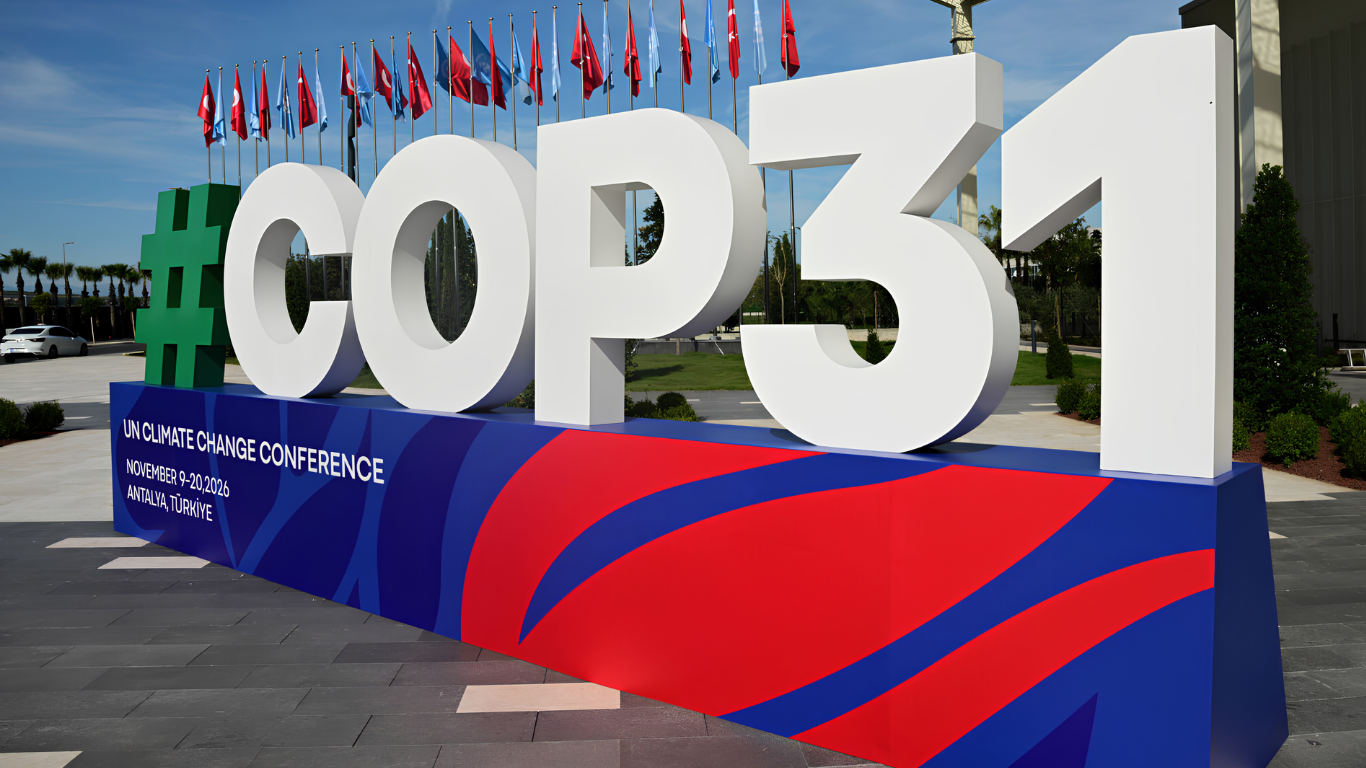
The 31st United Nations Climate Change Conference (COP31) has opened in Antalya, Turkey, with world leaders facing growing pressure to accelerate action against global warming amid geopolitical conflicts, rising energy demand and the rapid expansion of artificial intelligence. Representatives from nearly 200 countries are expected to participate in the two-week summit, which comes at a critical moment for international climate commitments.
At the opening of the conference on November 9, UN Climate Change Executive Secretary Simon Stiell urged governments to move faster, warning that existing efforts were not keeping pace with the urgency of the climate crisis. A United Nations Environment Programme report published in October indicated that the world was on course to exceed the 1.5°C warming limit established under the 2015 Paris Agreement. Meanwhile, 2026 is expected to rank among the four hottest years ever recorded, with extreme heatwaves and climate-related disasters highlighting the consequences of rising global temperatures.
One of the major challenges facing this year’s negotiations is the impact of international conflicts on global energy security. The ongoing war involving Iran has disrupted oil shipments through the Strait of Hormuz, pushing up fuel prices and forcing several countries to seek alternative energy supplies. Russia’s invasion of Ukraine and the resulting restrictions on Russian energy exports have also influenced global energy decisions. With some governments increasing their reliance on coal, oil and gas to secure supplies, climate advocates fear that geopolitical tensions could slow the transition towards cleaner energy.
Artificial intelligence is another issue attracting attention at COP31. The rapid growth of AI technologies and data centres is increasing electricity consumption, raising concerns about additional greenhouse gas emissions if the demand is met through fossil fuels. Turkey’s COP31 presidency is encouraging governments, businesses and institutions to support principles for developing and deploying AI more sustainably. The discussions are expected to examine how technology can contribute to climate solutions without creating additional environmental problems.
Turkey has also placed a major electrification target at the centre of its climate agenda. The country is seeking support for a pledge to increase electricity’s share of global energy consumption to more than 35 per cent by 2035, compared with approximately one-fifth today. The proposal aims to encourage a shift towards electric vehicles, cleaner cooking systems and electric heating, reducing dependence on equipment powered directly by fossil fuels. However, environmental groups have questioned the plan because it does not explicitly require the additional electricity to come from renewable or other low-carbon sources
As the summit continues, countries will face renewed pressure to turn previous climate promises into measurable action. Discussions are expected to include emissions reductions, climate adaptation and financial support for vulnerable nations. With global temperatures continuing to rise and competing economic and political priorities influencing energy decisions, COP31 will test how far governments are prepared to cooperate in addressing one of the world’s most urgent challenges.