
Listeners:
Top listeners:
 play_arrow
 Cosoro Afrobeats UK's #1 Afrobeats Radio Station
 play_arrow
 Cosoro Pidgin Na we bi di #1 UK Pidgin Radio
 play_arrow
 Cosoro Evergreen UK's #1 Radio for Timeless African Sounds


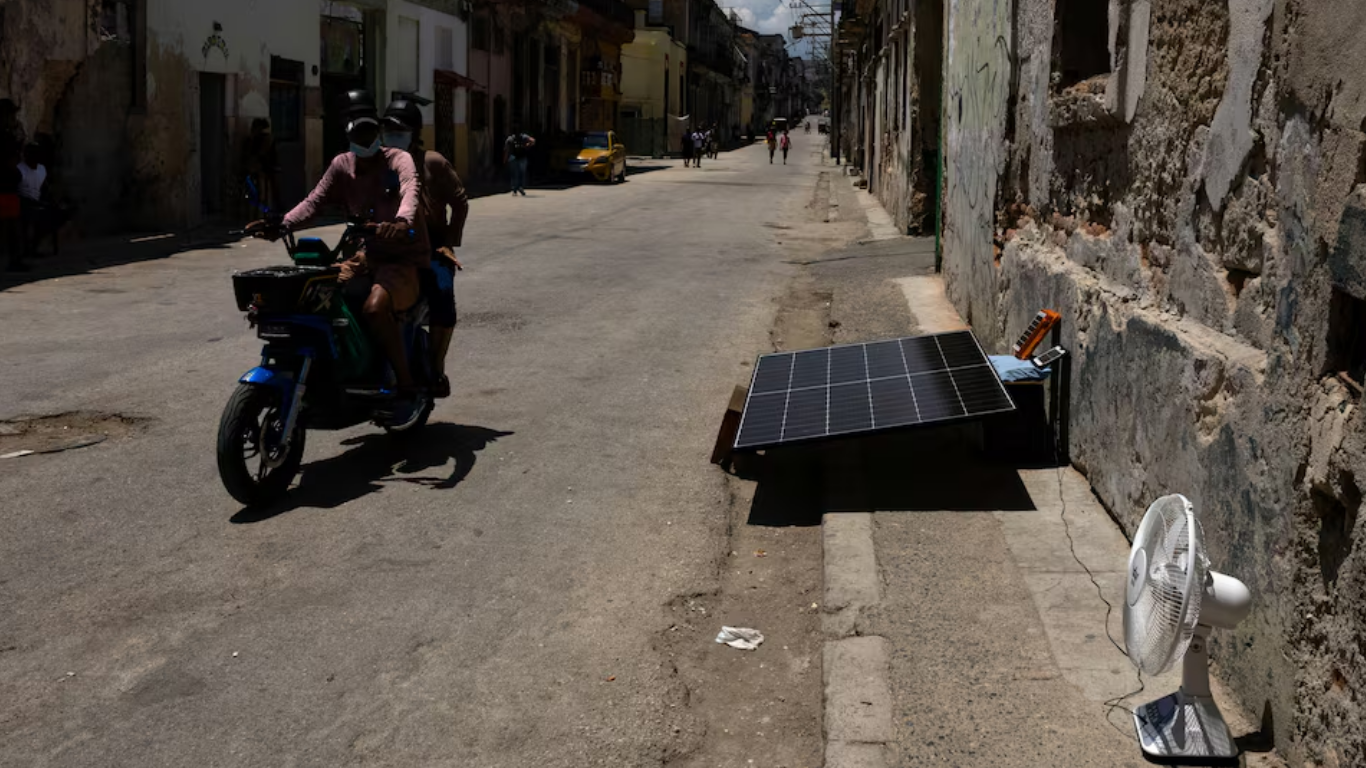
Image Credit: Reuters
Cuba is working to restore electricity after another nationwide collapse of its power grid plunged millions into darkness, deepening an energy crisis that has gripped the Caribbean nation for months. Although authorities have gradually restored power to parts of the island, many communities remain without electricity as officials continue efforts to stabilize the aging network. The latest outage also triggered protests in parts of Havana, where frustrated residents demanded a quicker return of electricity.
The blackout began on July 6, when Cuba’s National Electric System unexpectedly failed, leaving nearly the entire island without power. Hospitals and other essential services were prioritized as engineers attempted to restart the grid through smaller, isolated power systems before reconnecting them to the national network. By the following day, electricity had returned to some provinces and sections of Havana, but fuel shortages and aging infrastructure continued to slow the recovery.
The latest collapse is Cuba’s third nationwide blackout of 2026 and the latest in a series of major grid failures that have repeatedly disrupted life across the island. Years of underinvestment, deteriorating power plants, chronic fuel shortages and broader economic difficulties have left Cuba’s electricity system increasingly vulnerable to breakdowns. Rolling blackouts have become a regular feature of daily life, with many households enduring hours without electricity even before the latest nationwide outage.
The energy crisis has also become intertwined with broader political and economic tensions. Cuban authorities argue that tighter U.S. sanctions and restrictions on fuel imports have significantly reduced oil supplies needed to operate power plants. The United States, however, maintains that the island’s difficulties stem primarily from years of economic mismanagement and deteriorating infrastructure. The disagreement has complicated efforts to address the country’s worsening energy shortages.
For ordinary Cubans, the consequences extend far beyond inconvenience. Prolonged outages have disrupted businesses, transportation, communications, food storage and access to clean water, while the intense summer heat has made conditions even more difficult.