
Listeners:
Top listeners:
 play_arrow
 Cosoro Afrobeats UK's No.1 Afrobeats Radio Station
 play_arrow
 Cosoro Pidgin Na we bi di No.1 UK Pidgin Radio
 play_arrow
 Cosoro Evergreen UK's No.1 Radio for Timeless African Sounds


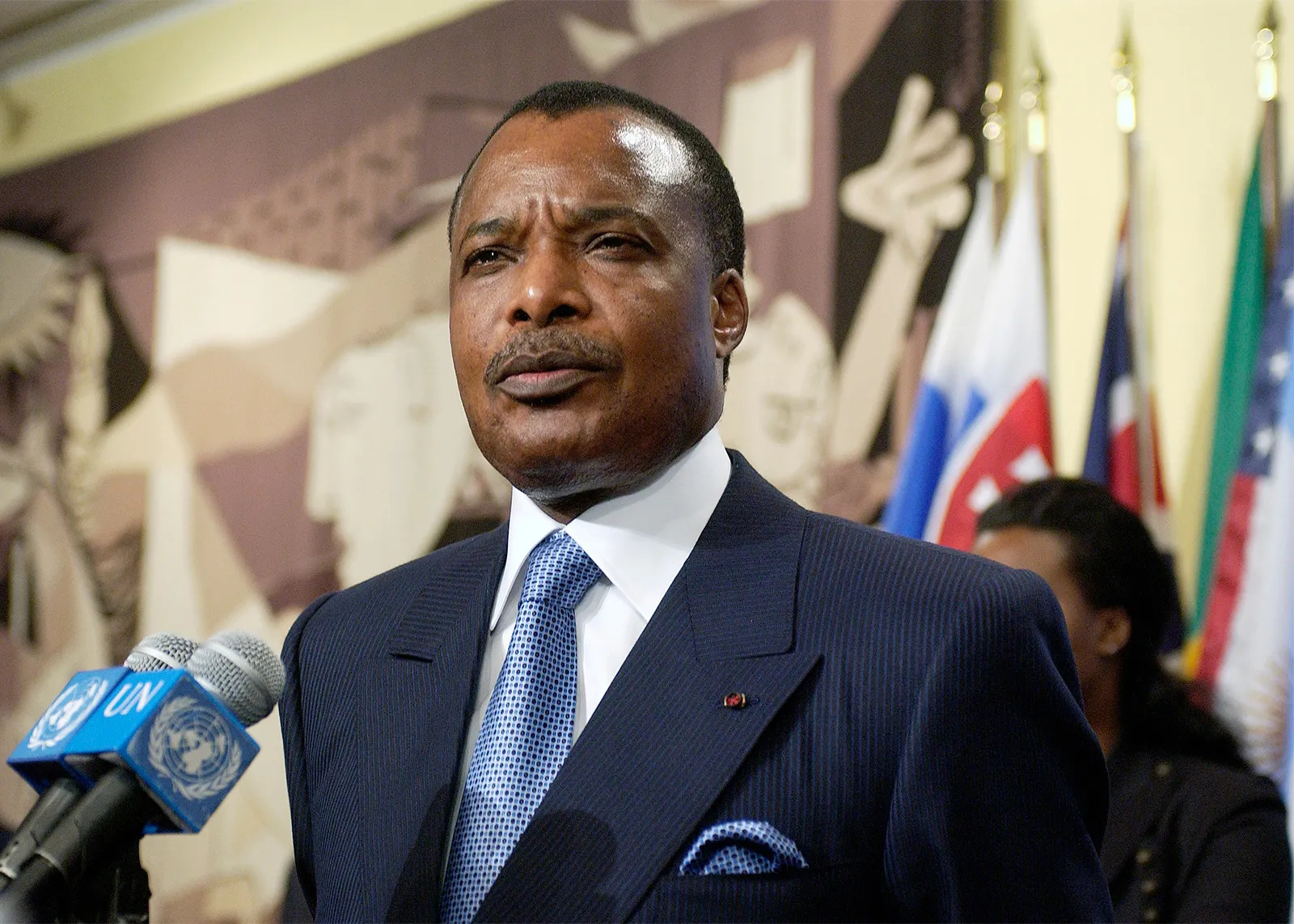
The Constitutional Court of Congo-Brazzaville has officially confirmed President Denis Sassou Nguesso’s re-election with an overwhelming 95% of the vote, extending one of Africa’s longest-running political reigns. The ruling not only cements his continued leadership but also reignites debate over democracy, opposition suppression, and the future of governance in the oil-rich Central African nation.
The court’s announcement followed the March 15, 2026 presidential election, in which Sassou Nguesso, 82 years old secured what was described as an “absolute majority,” with turnout reported at around 65.9%. The decision dismissed legal challenges from opposition candidates, including Dave Mafoula, who had sought to annul the results.
This victory grants Sassou Nguesso another five-year term and further extends a political career spanning more than four decades. First coming to power in 1979, he ruled until 1992, before returning in 1997 after a civil war. Since then, he has maintained a firm grip on leadership, winning successive elections in 2002, 2009, 2016, 2021, and now 2026.
However, the scale of his latest victory has drawn scrutiny both domestically and internationally. Critics argue that the electoral environment was heavily skewed in favor of the incumbent. Several major opposition parties boycotted the vote, citing a lack of transparency and fairness, while others claimed restrictions on campaigning limited genuine competition. Reports also indicated that Sassou Nguesso was the only candidate able to travel widely during the campaign period.
Further controversy surrounded the conduct of the election itself. Observers pointed to irregularities such as a nationwide internet blackout on voting day and reports of low turnout at polling stations despite high official participation figures. In addition, arrests of activists and the suspension of opposition groups ahead of the election raised concerns about political freedoms in the country.
The legal framework enabling Sassou Nguesso’s continued rule also remains a focal point of debate. A 2015 constitutional referendum removed presidential term and age limits, allowing him to run again despite his age and long tenure. While supporters argue that his experience ensures stability, critics contend that the changes undermined democratic principles and entrenched power.
Beyond politics, the broader context of Congo-Brazzaville’s socio-economic challenges adds another layer to the story. Despite being an oil-producing nation, the country faces persistent poverty, high youth unemployment, and significant public debt. More than half of the population lives below the poverty line, highlighting the disconnect between resource wealth and living standards.
As Sassou Nguesso begins what is expected to be his fifth term under the current political system, attention is increasingly turning to the question of succession, as the constitution forbids Sassou Nguesso from standing again in 2031, once his fifth term ends.