
Listeners:
Top listeners:
 play_arrow
 Cosoro Afrobeats UK's No.1 Afrobeats Radio Station
 play_arrow
 Cosoro Pidgin Na we bi di No.1 UK Pidgin Radio
 play_arrow
 Cosoro Evergreen UK's No.1 Radio for Timeless African Sounds


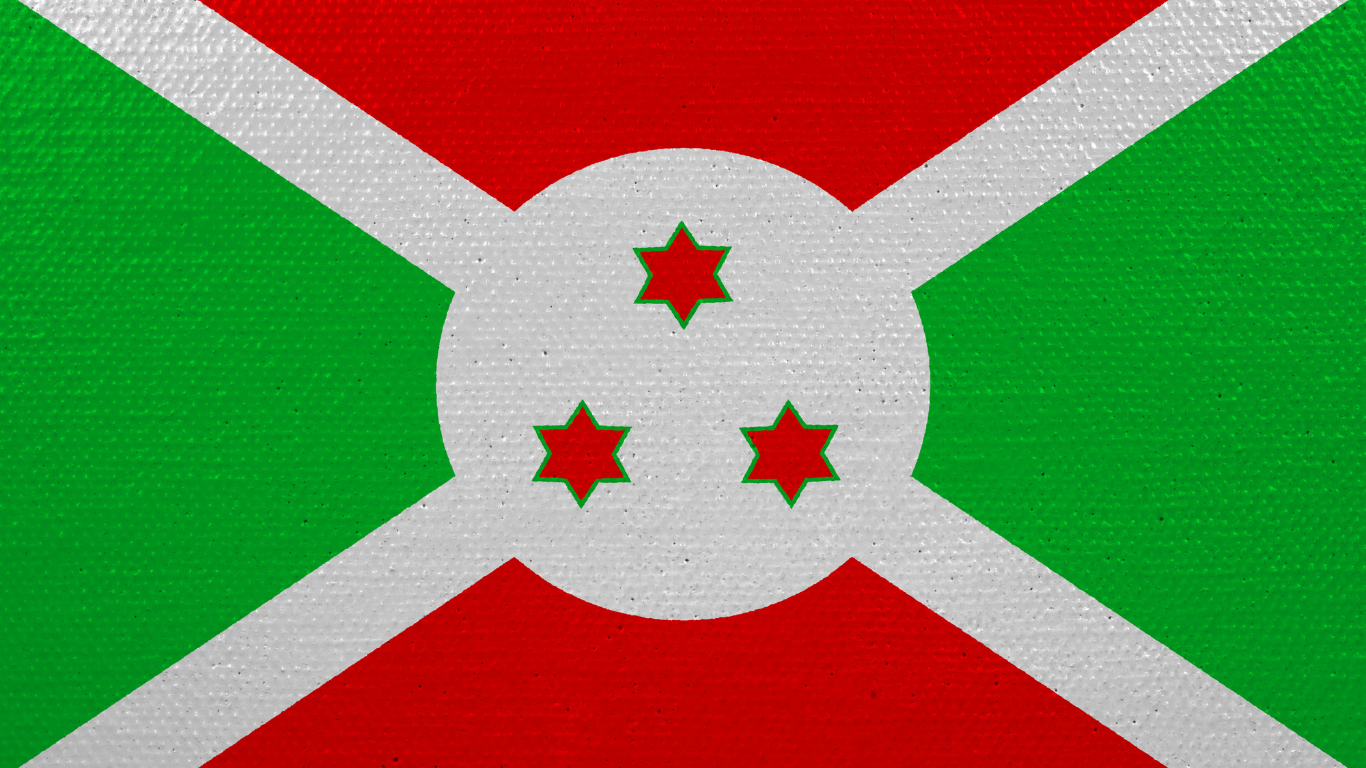
Burundi will hold its next presidential election on May 3, 2027, the country’s electoral commission announced, setting the stage for a closely watched vote in one of East Africa’s most politically tense nations.
The announcement was made during a meeting boycotted by opposition parties, which immediately raised concerns about the transparency and credibility of the electoral process.
President Évariste Ndayishimiye, who has led Burundi since 2020 following the death of longtime leader Pierre Nkurunziza, is widely expected to seek another term after being named the candidate of the ruling CNDD-FDD party in April. Analysts believe the 57-year-old leader enters the race as the clear frontrunner, largely due to the ruling party’s tight control over state institutions and the country’s political landscape.
Burundi, a landlocked nation of around 15 million people, remains one of Africa’s poorest countries despite years of promises of reform and economic recovery. The country has experienced prolonged political instability, ethnic tensions, and allegations of repression dating back decades. International human rights organizations have repeatedly accused the government of restricting political freedoms, targeting opposition figures, and suppressing dissent.
Since taking office, Ndayishimiye has attempted to present himself as a reform-minded leader willing to reopen Burundi to the international community after years of diplomatic isolation under his predecessor. His administration has worked to rebuild relations with regional and Western partners while attempting to stabilize the economy. However, critics argue that meaningful democratic reforms have remained limited and that political space for opposition groups continues to shrink.
Opposition parties say the latest election timetable reflects deeper concerns about the independence of the electoral commission. In a joint statement, opposition leaders argued that the commission, “in its composition and conduct,” is incapable of organizing elections that meet international standards of fairness and transparency. They also criticized the lack of inclusive political dialogue ahead of the vote, describing the preparations as “premature and inappropriate.”
According to the electoral calendar, final results from the first round are expected on May 18, 2027, with the winner scheduled to be sworn into office on June 18. If no candidate secures an outright majority, a second round of voting will take place on June 1, with final results announced on June 16.
The upcoming election will be closely monitored across the region, particularly as several African nations continue to face scrutiny over democratic governance, constitutional reforms, and extended presidential rule. Across parts of Africa, opposition groups and civil society organizations have increasingly expressed concerns over electoral fairness, constitutional amendments, and the concentration of political power in ruling parties.