
Listeners:
Top listeners:
 play_arrow
Cosoro Afrobeats UK's #1 Afrobeats Radio Station
 play_arrow
Cosoro Pidgin Na we bi di #1 UK Pidgin Radio
 play_arrow
Cosoro Evergreen UK's #1 Radio for Timeless African Sounds


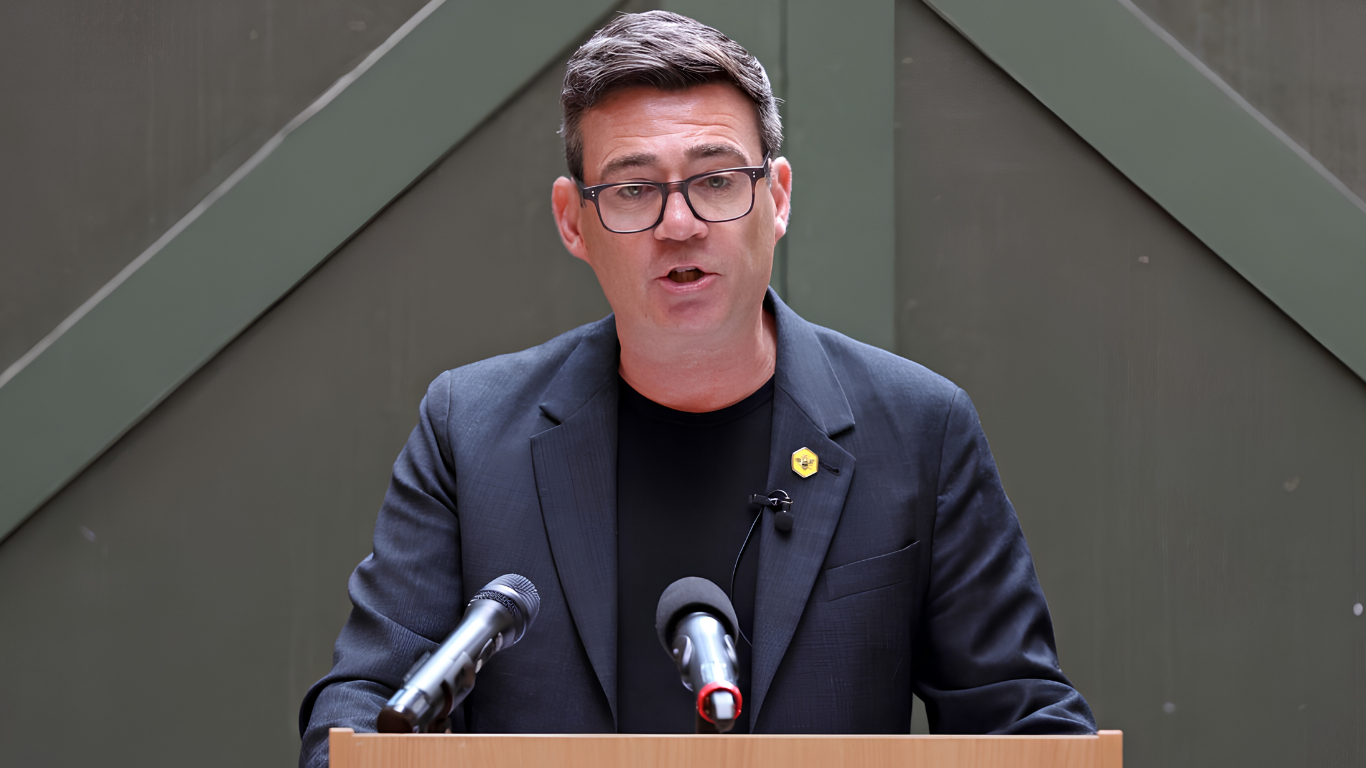
Image Credit: Getty Images
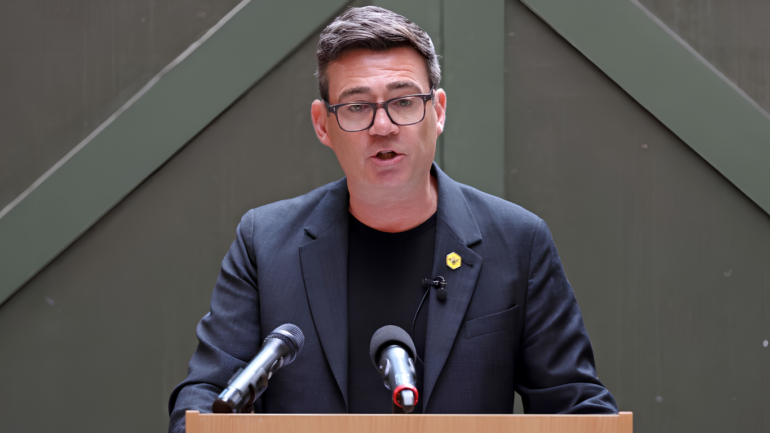
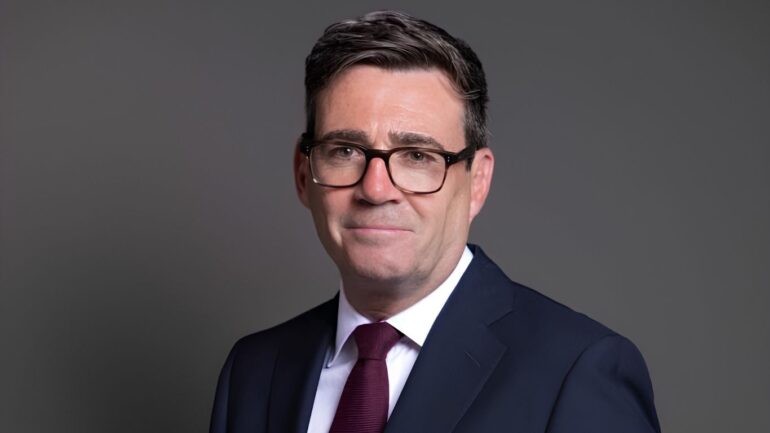
UK Prime Minister Andy Burnham has said the defeat suffered by Donald Trump’s Republican Party in the United States midterm elections could create an opportunity for world leaders to focus on the rising cost of living and efforts to end the conflict involving Iran.
Burnham made the comments on Wednesday, November 4, 2026, while attending the Commonwealth Heads of Government Meeting in Antigua and Barbuda. Speaking to broadcasters, he said the US election results offered countries an opportunity to work together on issues affecting ordinary people, particularly economic pressures.
According to Burnham, the cost of living has been one of his government’s main priorities since taking office. However, he argued that easing financial pressures would remain difficult while the conflict in the Middle East continued to affect global markets.
The prime minister called for de-escalation and urged efforts to reopen the Strait of Hormuz, a major international shipping route that plays an important role in global energy supplies.
His comments came as Liberal Democrat leader Sir Ed Davey also reacted to the Republican Party’s losses, describing the result as a rejection of Trump’s politics. Davey warned against the influence of similar political approaches in Britain, saying the country should not become a version of Trump’s America under Reform UK leader Nigel Farage.
Meanwhile, political attention in Westminster focused on Deputy Prime Minister’s Questions, where Louise Haigh stood in for Burnham because of his Commonwealth commitments. Conservative deputy leader Alex Burghart represented his party in place of Kemi Badenoch.
The exchange saw both politicians clash over welfare spending, government reforms and taxation. Burghart questioned how much the government planned to spend on benefits, citing a figure of £183 billion for the year. Haigh defended Labour’s approach, saying the government was committed to reducing the benefits bill and addressing what she described as problems inherited from the previous Conservative administration.
She pointed to planned changes to Universal Credit and increased face to face assessments as part of the government’s efforts to control welfare spending. However, figures discussed during the exchange were later questioned by fact checkers, who noted that some of the amounts cited covered wider categories of welfare support than working-age benefits alone.
Elsewhere, Burnham defended a proposed UK-EU food and drink agreement, arguing that closer alignment with European standards could improve trade and support economic growth. He said the agreement could potentially add up to 0.4 per cent to the UK’s gross domestic product while reducing border checks and paperwork for businesses exporting food and agricultural products.
The proposed sanitary and phytosanitary agreement is expected to be discussed at the UK-EU leaders’ summit in Brussels on November 20. While supporters say it could make trade easier, the arrangement would require Britain to follow relevant EU food and plant health rules.
Burnham also called for a practical solution to save jobs and stores belonging to Poundland after the retailer entered administration. He urged the company’s owners to work with the government, arguing that some outlets remained viable and could attract interest from other retailers.
The developments highlight the range of domestic and international challenges facing Burnham’s government, from economic pressures and welfare spending to Britain’s future relationship with Europe and the impact of the conflict in the Middle East.