
Listeners:
Top listeners:
 play_arrow
 Cosoro Afrobeats UK's No.1 Afrobeats Radio Station
 play_arrow
 Cosoro Pidgin Na we bi di No.1 UK Pidgin Radio
 play_arrow
 Cosoro Evergreen UK's No.1 Radio for Timeless African Sounds


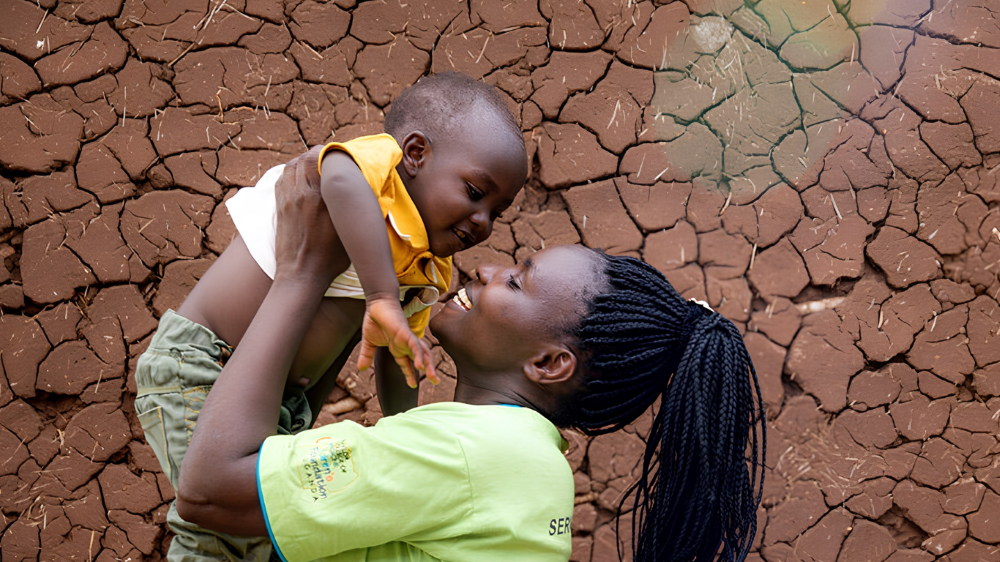
Image Credit: AHETI
Cuts and disruptions to US-funded HIV programmes are raising concerns that years of progress in preventing mothers from passing HIV to their babies could be reversed across parts of Africa. Health workers say interruptions have affected testing, treatment and follow-up services for pregnant women and HIV-exposed infants.
A study involving 166 organisations across 46 countries found that 63% of groups providing services to prevent mother-to-child HIV transmission experienced disruptions, while 22% stopped providing those services entirely. The research also found that 1,714 previously supported HIV service sites closed after funding was terminated or delayed.
The effects have included declines in HIV testing and infant care. A separate analysis of more than 31,000 health facilities and community sites found that infant testing for HIV fell significantly at facilities affected by interruptions, while overall HIV testing declined by 18% between the final quarters of 2024 and 2025.
The disruption followed the US decision in January 2025 to pause foreign assistance, including PEPFAR, the programme that has supported HIV treatment and prevention in more than 50 countries. A limited waiver allowed essential HIV treatment and prevention services, including programmes for pregnant and breastfeeding women, to continue, but other activities remained affected.
The developments are particularly significant in Africa, where HIV programmes have helped sharply reduce infections among children. Health experts warn that losing access to testing and preventive treatment can make it harder to identify infections early and prevent transmission during pregnancy, childbirth and breastfeeding.
There has nevertheless been major progress. PEPFAR is credited with saving more than 26 million lives since it was launched in 2003. The latest evidence suggests that while many treatment programmes have remained relatively stable, prevention, testing and healthcare staffing have been more severely affected by the funding disruptions.
Health organisations are now calling attention to the need for continued investment as countries take on greater responsibility for their HIV programmes. The concern is that interruptions to services for mothers and infants could gradually undermine progress that has taken decades to achieve.