
Listeners:
Top listeners:
 play_arrow
Cosoro Afrobeats UK's #1 Afrobeats Radio Station
 play_arrow
Cosoro Pidgin Na we bi di #1 UK Pidgin Radio
 play_arrow
Cosoro Evergreen UK's #1 Radio for Timeless African Sounds


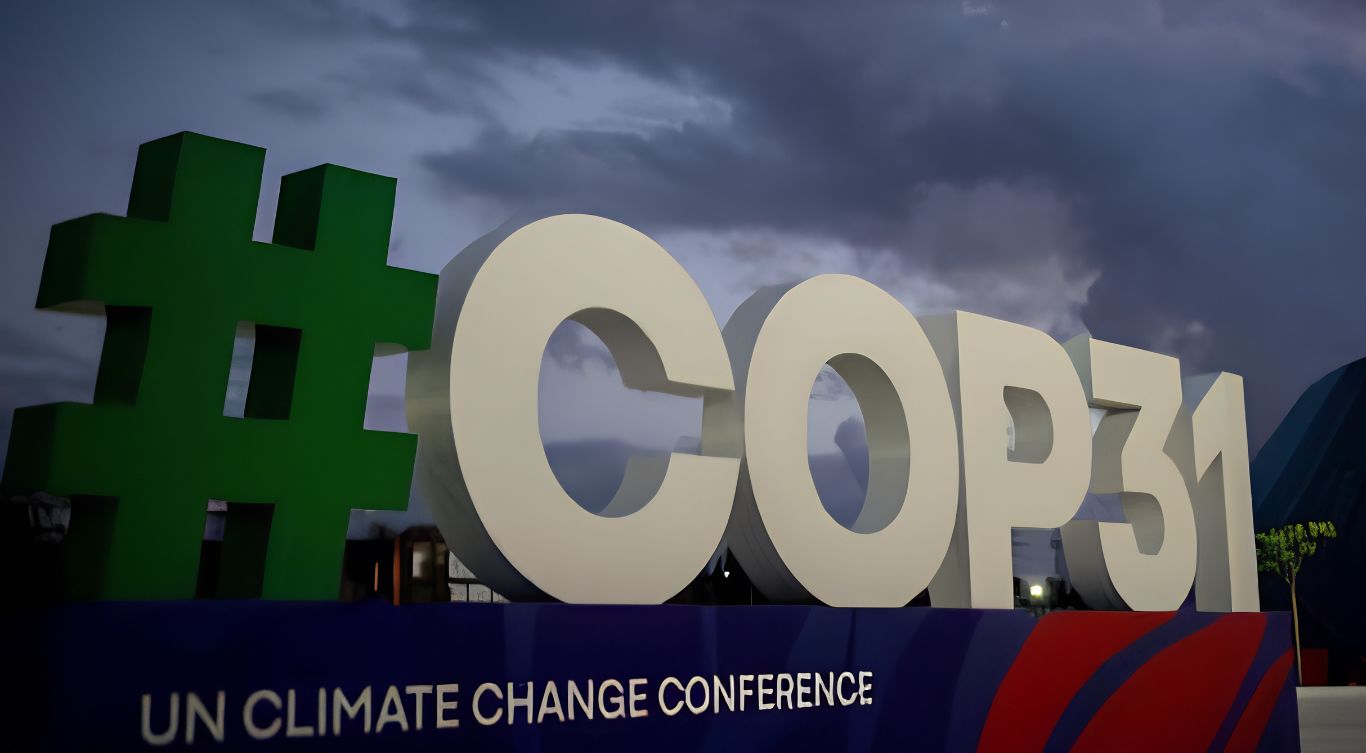
The longest United Nations climate conference on record has ended without a major agreement after countries failed to overcome deep disagreements over fossil fuels, climate finance and how quickly the world should move towards cleaner energy.
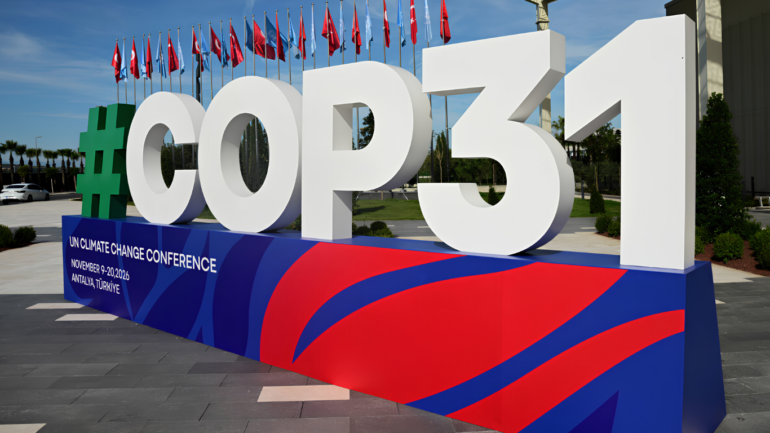
The COP31 summit, held in Antalya, Turkey, was scheduled to close on Friday, November 20, 2026, but negotiations continued until Sunday, November 22, as delegates struggled to find common ground. The talks eventually broke down, marking the first time since the failed Copenhagen climate summit in 2009 that a major political agreement at a COP conference was not reached.
The biggest disagreement centred on whether the final agreement should explicitly mention fossil fuels, including oil, coal and gas, which are the main drivers of global warming. More than 130 countries had called for a clear commitment to move away from fossil fuels, but the final proposal, known as the Antalya Pact, did not directly include such language.
The European Union, the United Kingdom, several Pacific island nations and other countries rejected the proposed agreement, arguing that it failed to reflect the urgency of the climate crisis. Ireland’s climate minister, Darragh O’Brien, speaking on behalf of the EU, said the bloc could not support an agreement that did not mention fossil fuels.
However, other countries supported the draft, arguing that reaching some form of agreement was better than leaving the summit without an outcome. Russia and Saudi Arabia were among those that supported keeping explicit references to fossil fuels out of the final text.
Climate finance was another major obstacle. Developing countries criticised the proposal for failing to provide clear financial commitments from wealthier nations to help poorer and climate-vulnerable countries adapt to rising temperatures, extreme weather and other environmental challenges.
Although the draft called for climate adaptation finance to be tripled, it did not clearly specify the financial baseline or provide the certainty many developing countries had demanded. For nations already facing severe floods, droughts, rising sea levels and food insecurity, the lack of clear funding commitments was a significant concern.
The proposed agreement also included plans to accelerate electrification and expand the use of carbon capture and storage technology. However, critics argued that the emphasis on carbon capture could allow continued dependence on fossil fuels rather than requiring a clear transition away from them.
Despite the failure to secure an overarching political agreement, delegates managed to adopt separate decisions on other climate-related issues, including a just transition to help workers and communities move towards a low-carbon economy. These decisions prevented the entire summit from ending without any progress.
Australian Climate Minister Chris Bowen, who led the negotiations alongside Türkiye’s climate minister Murat Kurum, described the outcome as disappointing. He said countries had maintained firm positions on key issues despite repeated attempts to find a compromise.
United Nations Secretary General António Guterres also expressed deep disappointment, saying the failure to reach consensus did not change the scientific evidence surrounding climate change or reduce the need for urgent action.
The breakdown at COP31 has renewed questions about the effectiveness of international climate negotiations, particularly as extreme weather events continue to affect communities across the world. It also highlights the growing challenge of balancing the economic interests of fossil-fuel-producing countries with the demands of nations calling for faster action to reduce emissions.
Although the summit ended without a major deal, existing climate commitments and agreements from previous conferences remain in force. The failure, however, leaves the international community facing renewed pressure to find common ground before the next round of global climate negotiations.