
Listeners:
Top listeners:
 play_arrow
Cosoro Afrobeats UK's #1 Afrobeats Radio Station
 play_arrow
Cosoro Pidgin Na we bi di #1 UK Pidgin Radio
 play_arrow
Cosoro Evergreen UK's #1 Radio for Timeless African Sounds


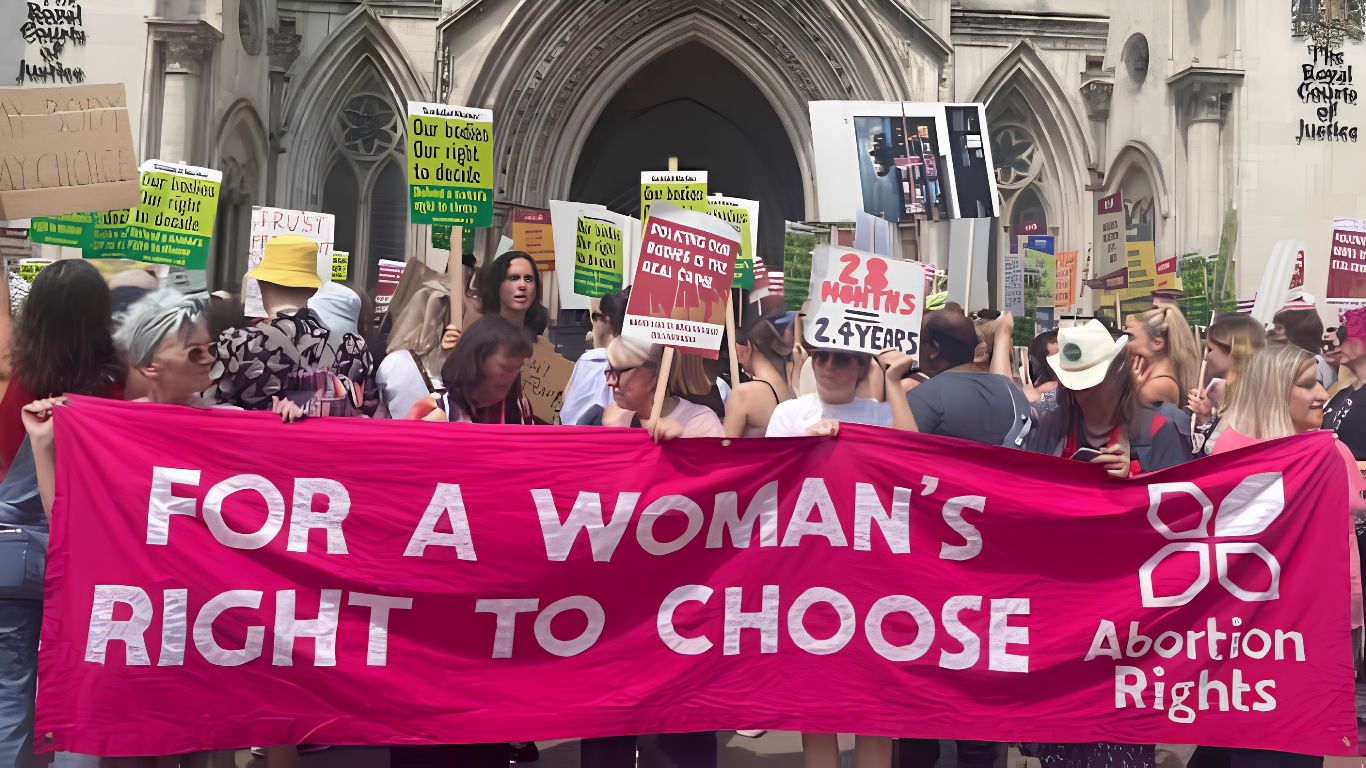
The British government has begun automatically pardoning women who were previously convicted or cautioned for abortion offences relating to their own pregnancies, marking a major change in how historical abortion cases are treated under the law.
The measure, which takes effect on Monday, November 16, 2026, also requires police and court authorities to remove relevant convictions, cautions, arrests and investigation details from criminal records, where reasonably practicable. Women affected do not need to apply for a pardon or take any action themselves.
The change is part of the Crime and Policing Act 2026, which removes criminal liability for women who end their own pregnancies or attempt to do so. It applies to women who were prosecuted under historical abortion laws, including provisions of the Offences Against the Person Act 1861, a law dating back to the Victorian era.
The pardon also applies to women who have died. Those who were arrested or investigated but never convicted will not receive a formal pardon, but details of the relevant cases will also be removed from official records.
The reform follows years of campaigning by abortion rights organisations and renewed public debate over cases involving women who obtained abortion medication outside the legal time limits. Some women were investigated or prosecuted after taking medication at home, including during the COVID-19 pandemic.
One widely reported case involved Nicola Packer, who was cleared by a jury after being prosecuted over a pregnancy termination. Another was Carla Foster, whose prison sentence for a late-term abortion was overturned on appeal in 2023.
Labour MP Tonia Antoniazzi, who helped push for the legal change, said the reform would bring relief to women who had faced criminal investigations and prosecutions under the previous legislation. The British Pregnancy Advisory Service also welcomed the decision, saying it recognised the harm caused by the criminalisation of women in difficult and vulnerable circumstances.
However, the change does not remove the existing legal framework governing abortion services in England and Wales. The Abortion Act 1967 remains in place, meaning medical professionals and others who act outside its legal provisions can still face prosecution. The new protection specifically concerns women acting in relation to their own pregnancies.
The government says relevant records will be deleted where authorities can identify them and where removal is reasonably practicable. The Ministry of Justice has also provided a contact point for women who wish to confirm that their records have been updated.
The reform represents a significant shift in the treatment of historical abortion cases, although campaigners have noted that pardons and record deletions cannot completely undo the personal distress and stigma some women experienced.