
Listeners:
Top listeners:
 play_arrow
Cosoro Afrobeats UK's #1 Afrobeats Radio Station
 play_arrow
Cosoro Pidgin Na we bi di #1 UK Pidgin Radio
 play_arrow
Cosoro Evergreen UK's #1 Radio for Timeless African Sounds


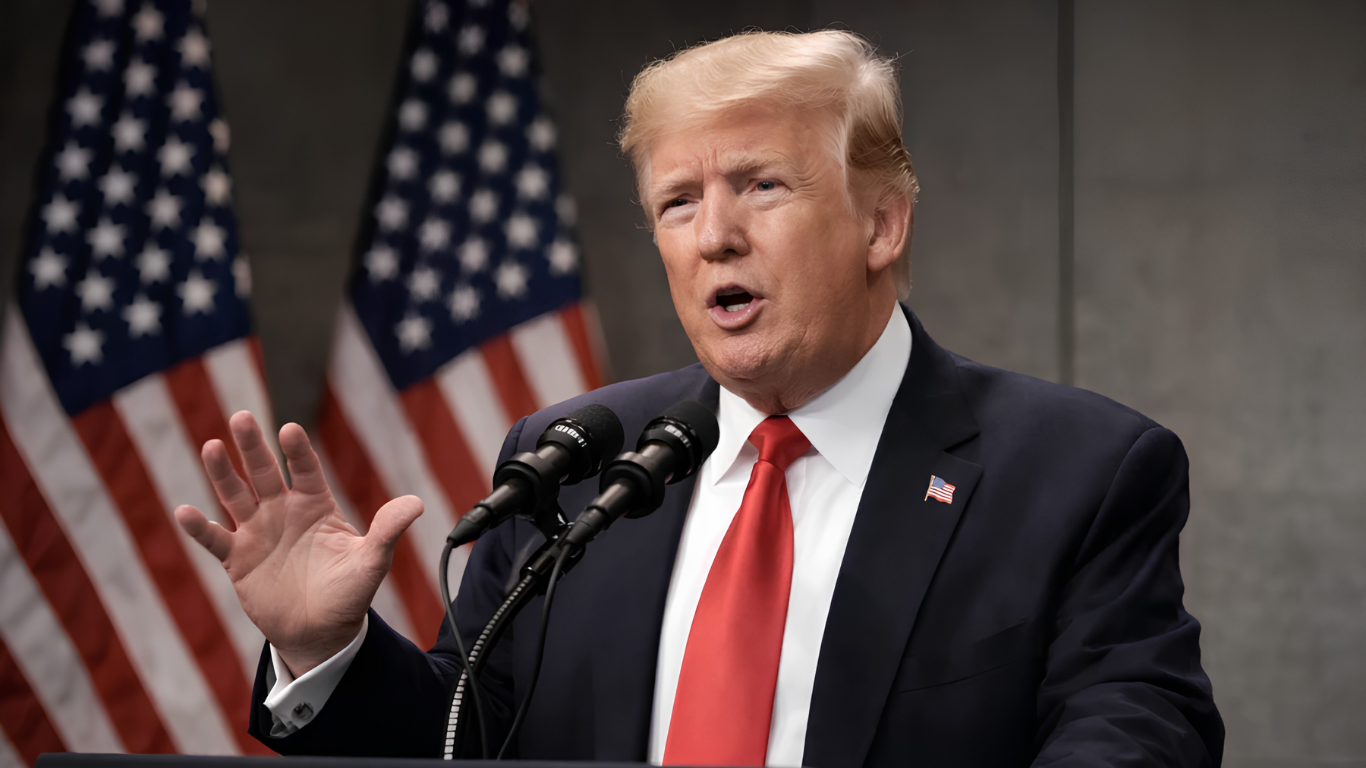
US President Donald Trump has acknowledged that his administration’s aggressive mass deportation policy may have been too harsh, raising the possibility of a shift in his approach to immigration following the Republican Party’s defeat in the November 3 midterm elections.
Trump made the admission during an interview with CBS’s 60 Minutes, which aired on Sunday, November 8, 2026. Asked whether his administration’s immigration crackdown had gone too far, he responded: “I think it might be too tough, yeah.”
The president’s comments represent a notable change in tone towards a policy that has been central to his second administration. Since returning to the White House in January 2025, Trump has expanded immigration enforcement through workplace raids, arrests and deportations targeting undocumented migrants across the United States.
During the interview, Trump acknowledged that the crackdown may have affected Republican electoral performance. He maintained that removing undocumented immigrants convicted of serious crimes, including murder and drug offences, remained necessary. However, he appeared more open to allowing some migrants to remain in the country, particularly those who have established lives, secured employment and pay taxes.
He specifically referred to immigrants working in hotels, landscaping companies and other industries, suggesting that some could be considered for an arrangement that would allow them to stay legally.
Trump also expressed willingness to negotiate an immigration agreement with Democrats, who are set to take control of both chambers of Congress in January 2027. He described a possible deal as achievable but did not provide specific details about how it would work or which groups of migrants could benefit.
His remarks followed a major Republican setback in the midterm elections, in which Democrats won control of the House of Representatives and the Senate. Immigration enforcement, alongside rising living costs and concerns about the administration’s policies, became an important issue during the election campaign.
However, questions remain over whether Trump’s comments will translate into an actual change in enforcement. On November 6, he appointed Stephen Miller, one of the leading architects of his hardline immigration agenda, as White House chief of staff, replacing Susie Wiles.
Miller has been a prominent advocate of expanding deportations and strengthening immigration enforcement. His appointment has therefore raised doubts about how far the administration is prepared to soften its approach.
According to reports, immigration authorities have not received instructions to reduce enforcement operations following the election. The administration’s deportation campaign is therefore continuing despite Trump’s acknowledgement that its approach may have been excessive.
The president’s comments have also drawn criticism from Democratic Senate leader Chuck Schumer, who questioned the apparent contradiction between Trump’s willingness to reconsider the policy and his decision to promote Miller.
The debate comes amid growing scrutiny of the administration’s immigration operations. An analysis by the Migration Policy Institute found that the United States completed approximately 980,000 deportations during the first 18 months of Trump’s second term, although the majority involved people initially intercepted at the border.
For now, Trump’s remarks suggest an openness to negotiating changes, but no formal policy reversal has been announced. Whether the president can reach an agreement with Democrats while maintaining the administration’s existing enforcement strategy remains uncertain.