
Listeners:
Top listeners:
 play_arrow
Cosoro Afrobeats UK's #1 Afrobeats Radio Station
 play_arrow
Cosoro Pidgin Na we bi di #1 UK Pidgin Radio
 play_arrow
Cosoro Evergreen UK's #1 Radio for Timeless African Sounds


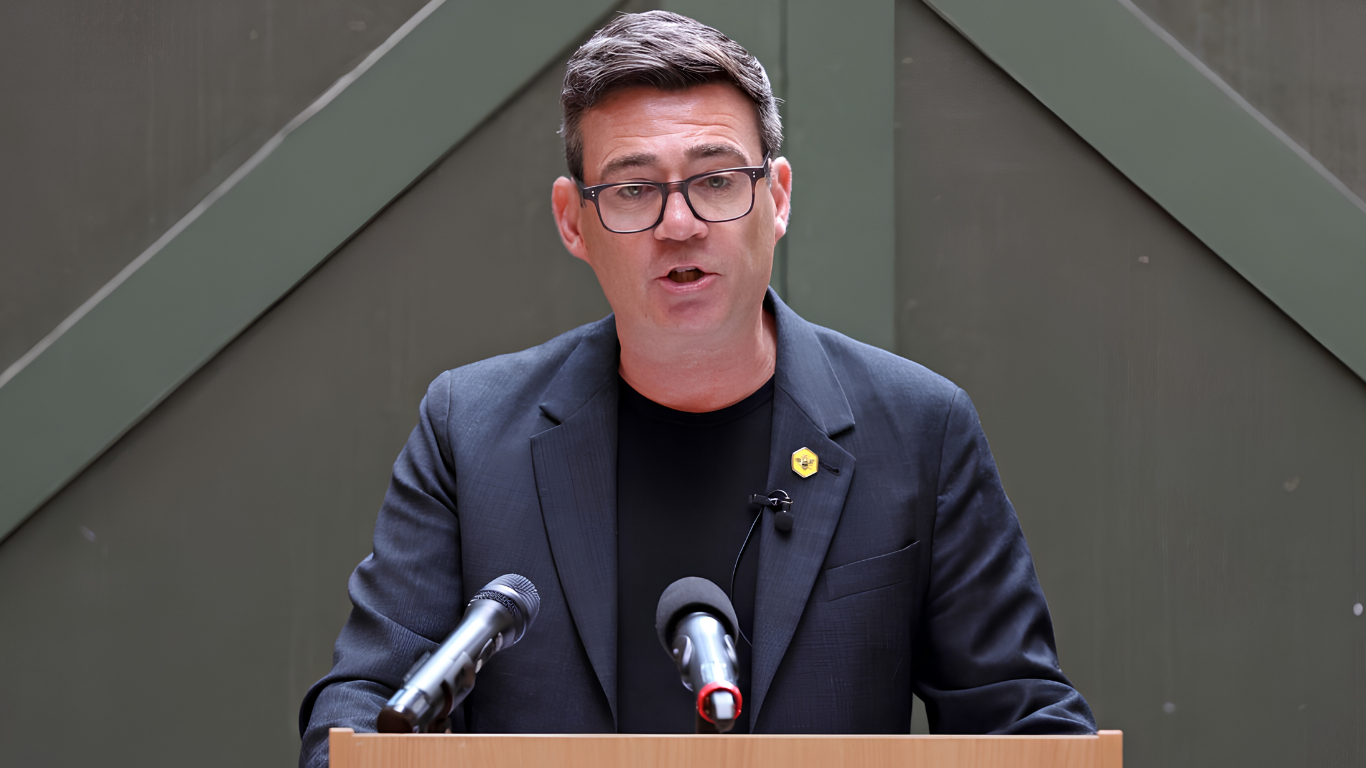
Image Credit: Getty Images
The United Kingdom has indicated that it could issue a formal apology for its historic role in the transatlantic slave trade, marking a potential shift in its approach to long-standing demands from African and Caribbean nations. However, Foreign Secretary Ed Miliband has made it clear that Britain will not pay financial reparations, describing such payments as impractical and unfeasible. His comments come amid growing pressure from former British colonies seeking recognition, accountability and compensation for the lasting consequences of slavery.
Speaking in an interview with the BBC on Wednesday, November 4, Miliband suggested that a formal apology could be possible by November 2027, when Britain is expected to host the G20 leaders’ summit in Manchester. He stressed, however, that an apology should not be interpreted as a willingness to reconsider the government’s position on financial compensation. His remarks followed Prime Minister Andy Burnham’s announcement that Britain was open to discussing a formal apology with countries and communities affected by the slave trade.
The issue has become a major subject of discussion at the Commonwealth Heads of Government Meeting in Antigua and Barbuda. Commonwealth leaders have welcomed Britain’s agreement to participate in structured, time-bound and inclusive discussions addressing the historical harms of the transatlantic trafficking of enslaved Africans. King Charles III also expressed sorrow over the suffering caused by slavery, describing it as a shameful chapter in history, although he stopped short of issuing a formal apology.
Britain’s position has, however, drawn criticism from Caribbean and African leaders who argue that acknowledging historical suffering must be accompanied by meaningful action. Their demands extend beyond direct financial payments to include investment in healthcare and education, economic development, debt relief and efforts to address inequalities linked to colonialism. Caribbean leaders have maintained that reparatory justice remains necessary to confront the long-term effects of slavery, which saw millions of Africans forcibly transported across the Atlantic.
In response, Burnham has proposed exploring a debt restructuring initiative for poorer Commonwealth countries, potentially allowing them to access more favourable repayment terms. The British government sees this as a way to strengthen economic cooperation without accepting financial liability for historical wrongdoing. Nevertheless, campaigners and several Caribbean governments insist that debt relief and development assistance cannot automatically replace broader reparations.
The latest discussions represent a notable change in Britain’s willingness to engage with calls for a formal apology, even as its refusal to provide compensation remains firm. Whether the proposed dialogue will produce an apology that satisfies affected nations remains uncertain. For many campaigners, the challenge is ensuring that Britain’s acknowledgement of its role in slavery leads to meaningful measures addressing the inequalities and historical damage that continue to affect communities across Africa and the Caribbean.