

Listeners:
Top listeners:
 play_arrow
 Cosoro Afrobeats UK's #1 Afrobeats Radio Station
 play_arrow
 Cosoro Pidgin Na we bi di #1 UK Pidgin Radio
 play_arrow
 Cosoro Evergreen UK's #1 Radio for Timeless African Sounds


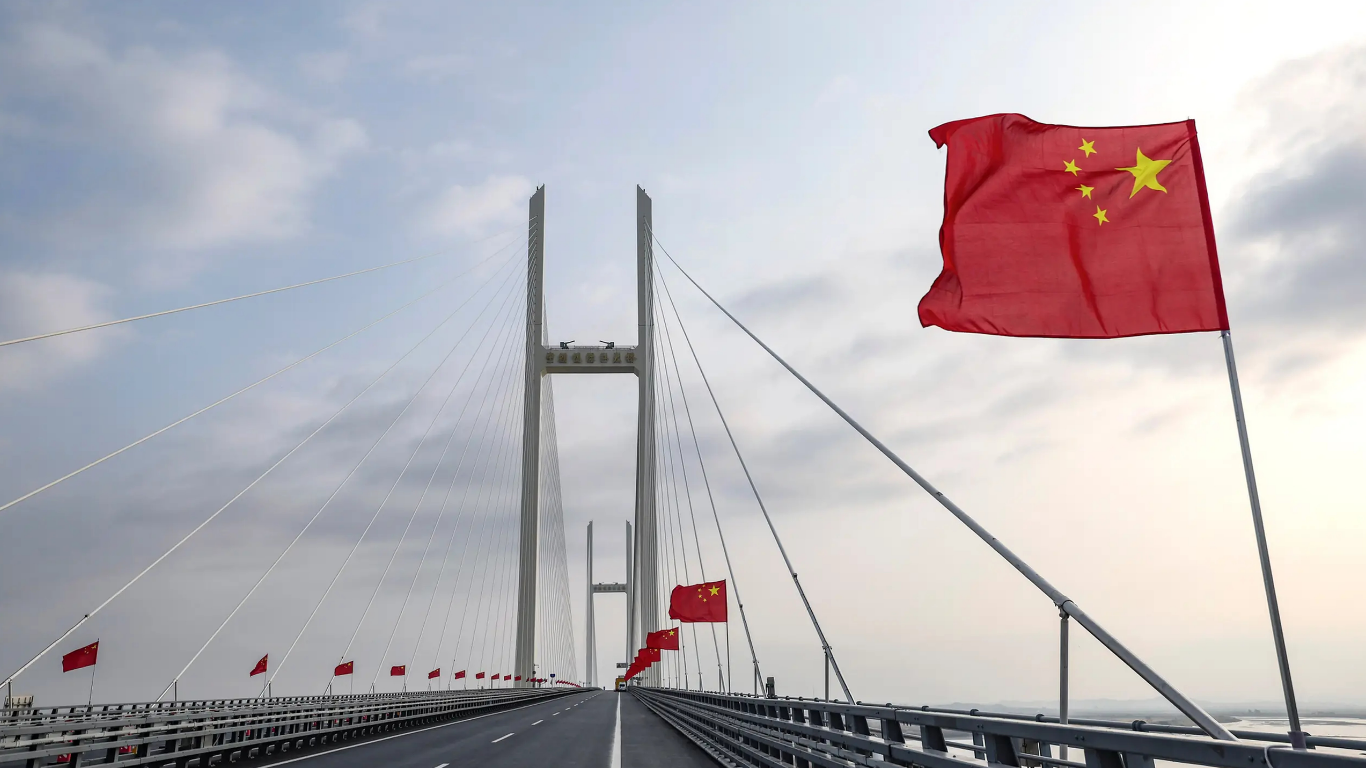
Image Credit: AP
China and North Korea have officially opened the New Yalu River Bridge, a major border crossing completed in 2014 but left unused for more than a decade. The four-lane bridge connects Dandong in northeastern China with Sinuiju in North Korea and is expected to improve trade and transport links as the two neighbours work to strengthen their relationship.
The bridge spans approximately three kilometres across the Yalu River. Its opening on October 15, 2026, follows years of delays caused partly by unfinished roads and customs facilities on the North Korean side. Chinese Premier Li Qiang described the project as a symbol of the countries’ traditional friendship, while officials said it would facilitate economic cooperation and exchanges between their populations. It is expected to ease pressure on the older Sino-Korean Friendship Bridge, which has served as a crucial route for cross-border trade for decades.
The opening comes as economic ties recover following pandemic-related border restrictions and years of strained relations over North Korea’s nuclear weapons programme. According to Chinese customs data, bilateral trade reached approximately $2.73 billion in 2025, rising 25% from the previous year and returning close to its pre-pandemic level. China remains North Korea’s largest trading partner and a vital source of goods, making the new crossing strategically important for Pyongyang’s economy. However, analysts caution that the bridge will not automatically produce a dramatic increase in trade because international sanctions remain in force.
The project also carries wider geopolitical significance. China has traditionally been North Korea’s principal economic and diplomatic backer, but Pyongyang has strengthened its relationship with Russia amid the war in Ukraine. The opening of a road bridge between Russia and North Korea in September 2026 has highlighted Moscow’s growing engagement with Pyongyang. Against this backdrop, closer transport and trade links with China could help Beijing reinforce its influence over its neighbour while maintaining its position as a key regional power.
Despite the improved relationship, uncertainty remains over how quickly the new bridge will transform trade. North Korea has historically been cautious about becoming too dependent on Chinese imports, while Beijing continues to face the challenge of balancing economic cooperation with international sanctions. The opening therefore represents an important step in restoring connectivity, but its long-term impact will depend on border operations, trade policy and the political relationship between the two governments.